
Authors
Charlotte Brontë
Charlotte Brontë (1816–1855) was an English novelist and poet, best known for Jane Eyre, published in 1847 under the pseudonym Currer Bell. Her work addressed moral complexity, individual conscience, and social constraints, informed by her experience as a governess and teacher.
Quotes: 5
Quotes by Charlotte Brontë

Gratitude as Warmth Without Emotional Excess
Charlotte Brontë presents gratitude as both elevated and restrained, calling it a “divine emotion” that enriches the heart without overwhelming it. From the start, her phrasing suggests that true thankfulness is powerful...
Created on: 7/2/2026

Facing Each Day with Honest Courage
Charlotte Brontë’s line begins with a bracing image: you “stand up to the day,” as if daylight itself can challenge your resolve. Rather than drifting into hours on autopilot, she implies a deliberate posture—upright, at...
Created on: 12/21/2025

Crafting Kindness: Small Gestures Shape Great Paths
To begin, the line urges us to treat kindness not as a mood but as a craft, something honed through steady, intentional practice. Craft implies materials, tools, and repetition; in moral philosophy the same insight appea...
Created on: 9/20/2025
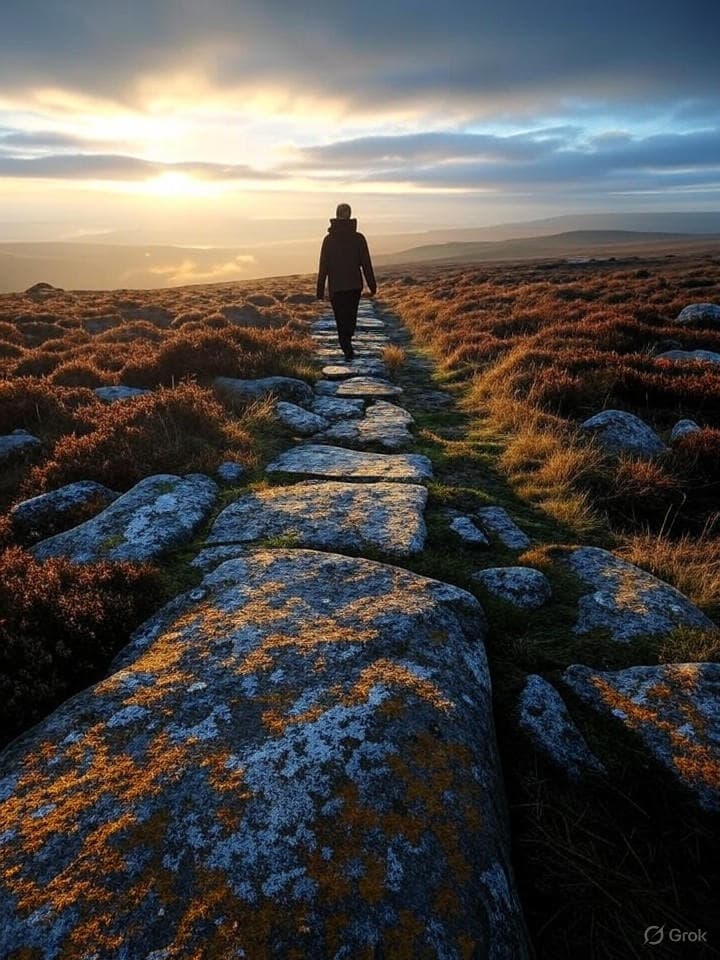
When Courage Moves, Even Shadows Step Back
Brontë’s line suggests that fear thrives in hesitation, and that decision functions like a switch: when you resolve to act, you illuminate the room, and the indistinct shapes in the corner lose their menace. Courage here...
Created on: 8/29/2025

I Am a Free Human Being with an Independent Will - Charlotte Brontë
This quote highlights the importance of personal freedom and autonomy. The speaker rejects the notion of being trapped or controlled, emphasizing their inherent right to self-determination.
Created on: 1/11/2025