
Authors
Federico García Lorca
Federico García Lorca (1898–1936) was a Spanish poet, playwright, and theatre director associated with the Generation of '27, known for works such as Romancero Gitano and Blood Wedding. His writing blends Andalusian folklore, surreal imagery, and intense emotion, frequently exploring love, death, and social injustice.
Quotes: 5
Quotes by Federico García Lorca

Dancing With Risk, Where Fear Stands Still
Lorca’s line urges us to move while the ground itself quivers, to treat danger not as a barricade but as a partner. Dancing with risk suggests a practiced intimacy with uncertainty: the more we listen to the floor’s trem...
Created on: 10/1/2025
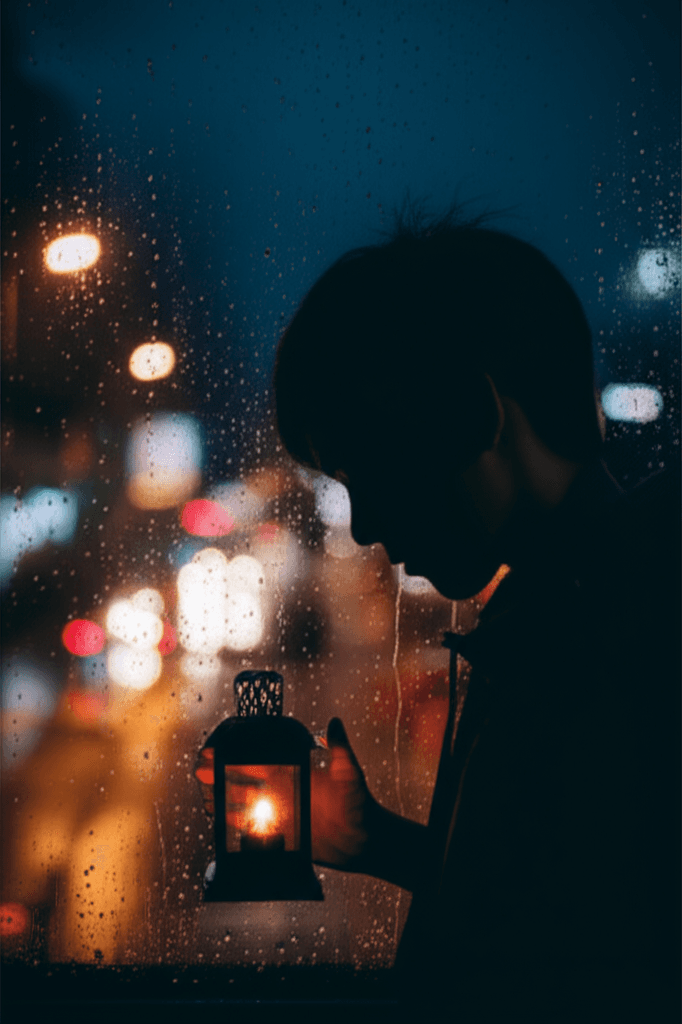
The Punishment of Unspoken, Smoldering Desire
At the outset, Lorca’s line names a torment many recognize: the inward blaze of longing that is denied air. Desire seeks movement—toward confession, action, or creation.
Created on: 8/25/2025

How Small Steps Ignite Vast Transformations
Lorca’s image compresses a process into a gesture: one footfall, then roots and branches. A single step marks direction, intent, and the willingness to depart from inertia; a forest, by contrast, suggests multiplicity, i...
Created on: 8/10/2025
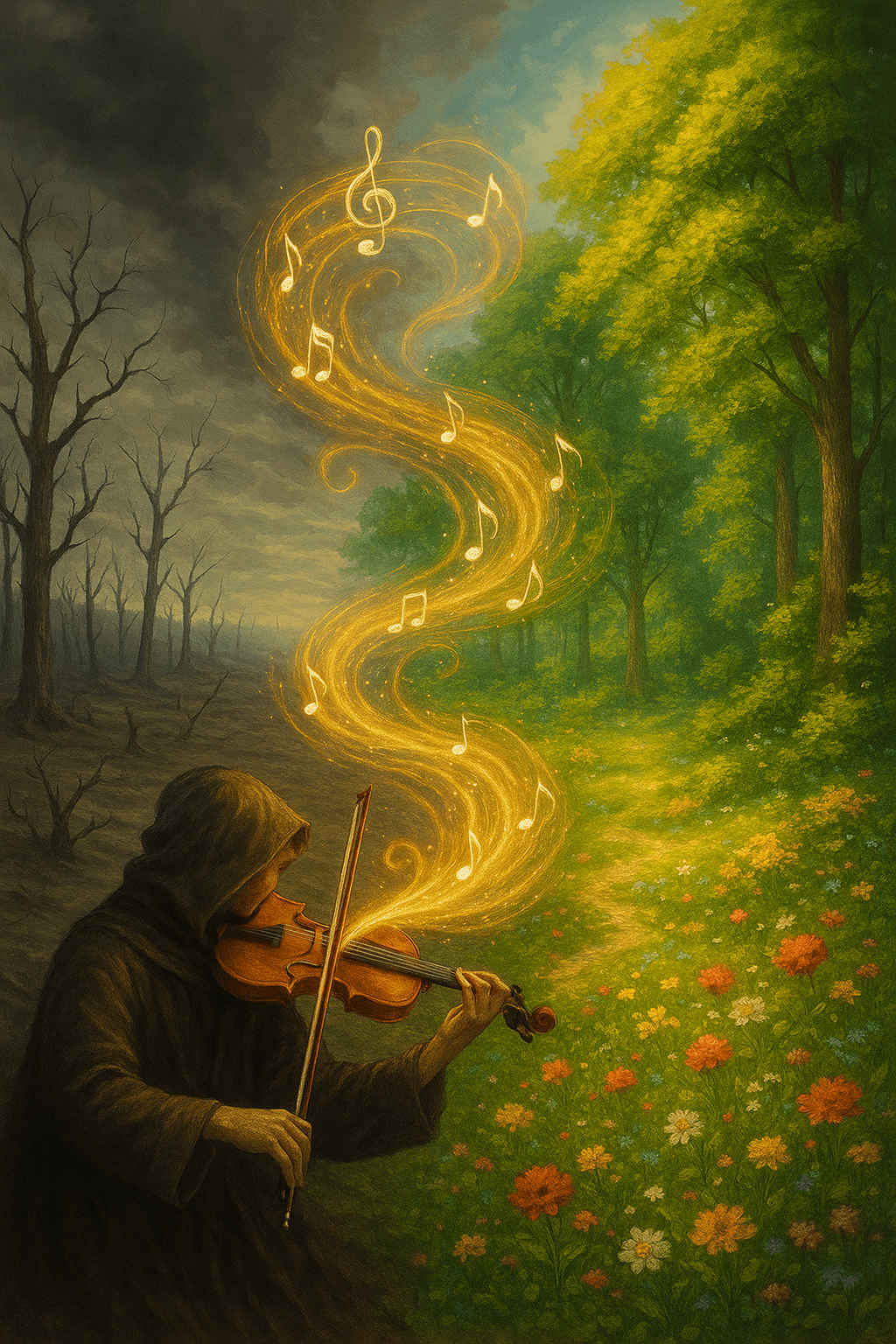
The Healing Power of Music in Life’s Wounds
Federico García Lorca’s evocative statement frames human existence as inherently painful, a wound each of us bears from birth. This metaphor calls attention to the universal experience of suffering—be it through loss, lo...
Created on: 6/26/2025

Illuminating Darkness: The Dance of Light and Shadow
Federico García Lorca’s evocative quote introduces the idea that illumination emerges precisely where darkness has been bravely confronted. Light does not exist in a vacuum; it finds its definition and power in the place...
Created on: 5/6/2025