
Authors
Li Bai
Li Bai (701–762) was a leading poet of China's Tang dynasty, renowned for his lyrical imagery and mastery of classical Chinese verse. His work often celebrates nature, friendship, drinking, and homesickness; the quoted lines are from 'Quiet Night Thought' reflecting longing for home.
Quotes: 6
Quotes by Li Bai

Bamboo Resilience: Yielding, Enduring, Rising Again
Li Bai’s image of bending bamboo reframes strength as something supple rather than rigid. Instead of meeting pressure with defiance, bamboo yields—yet it does not break, and that distinction is the heart of the metaphor.
Created on: 1/3/2026

A Morning Intention as Your Daily Compass
Li Bai’s line frames the morning as a threshold: what you choose at the start quietly shapes what follows. An “intention” here isn’t a rigid plan or a long checklist; it’s a simple inner direction—be patient, be brave, l...
Created on: 12/15/2025

Morning Quiet and the Power of Steady Work
Li Bai frames early morning quiet as more than a pleasant atmosphere—it becomes a lesson in how change actually happens. In the hush before the day’s noise, you can sense time moving without spectacle, which mirrors the...
Created on: 12/15/2025
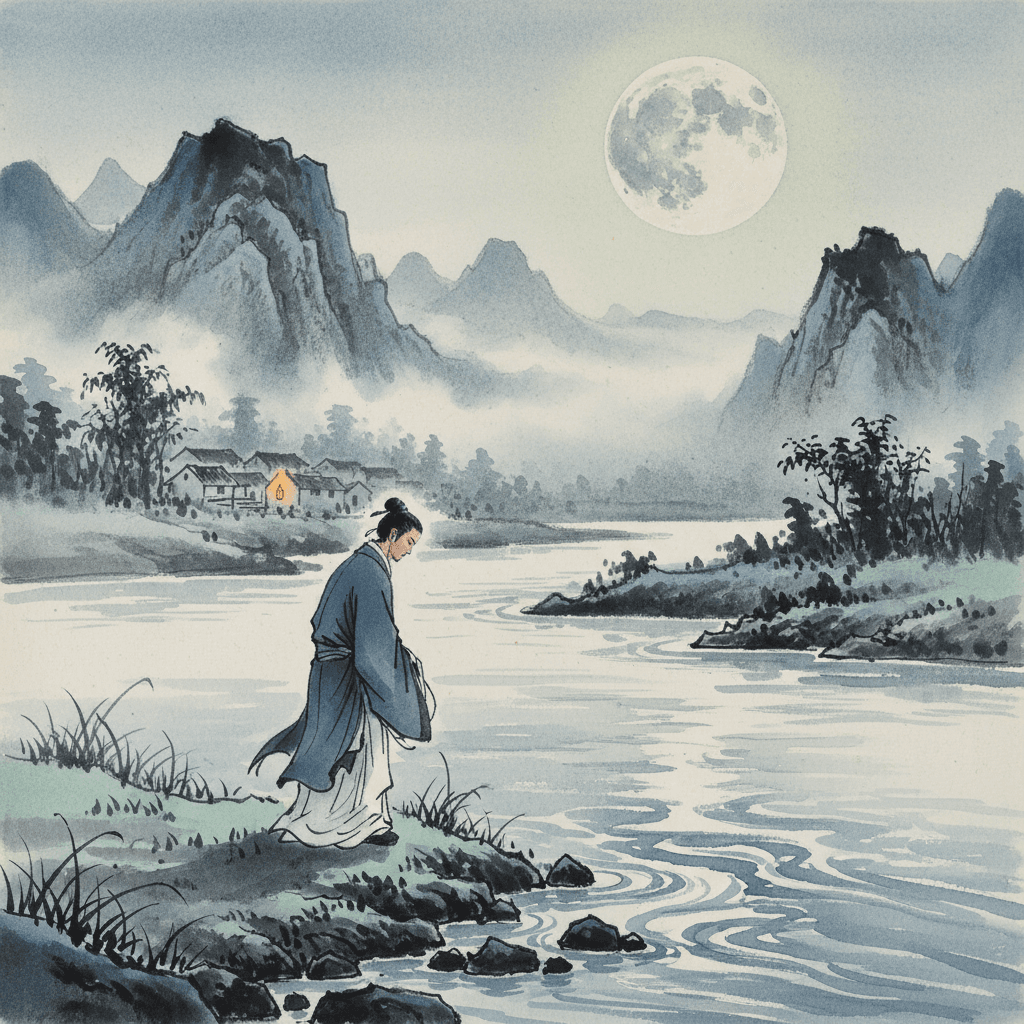
Moonlight, Motion, and Memory in Li Bai
To begin, the couplet captures a miniature drama of attention: first the head lifts toward the bright moon, then drops as the mind returns home. With two plain gestures, Li Bai maps an outward gaze to the cosmos and an i...
Created on: 10/6/2025

Let Moonlight Lead: Lessons from Li Bai
The invitation to catch moonlight in your hands turns the intangible into a companion. It suggests that guidance need not be heavy or absolute; it can be a soft brightness that touches the skin and then slips through.
Created on: 9/7/2025
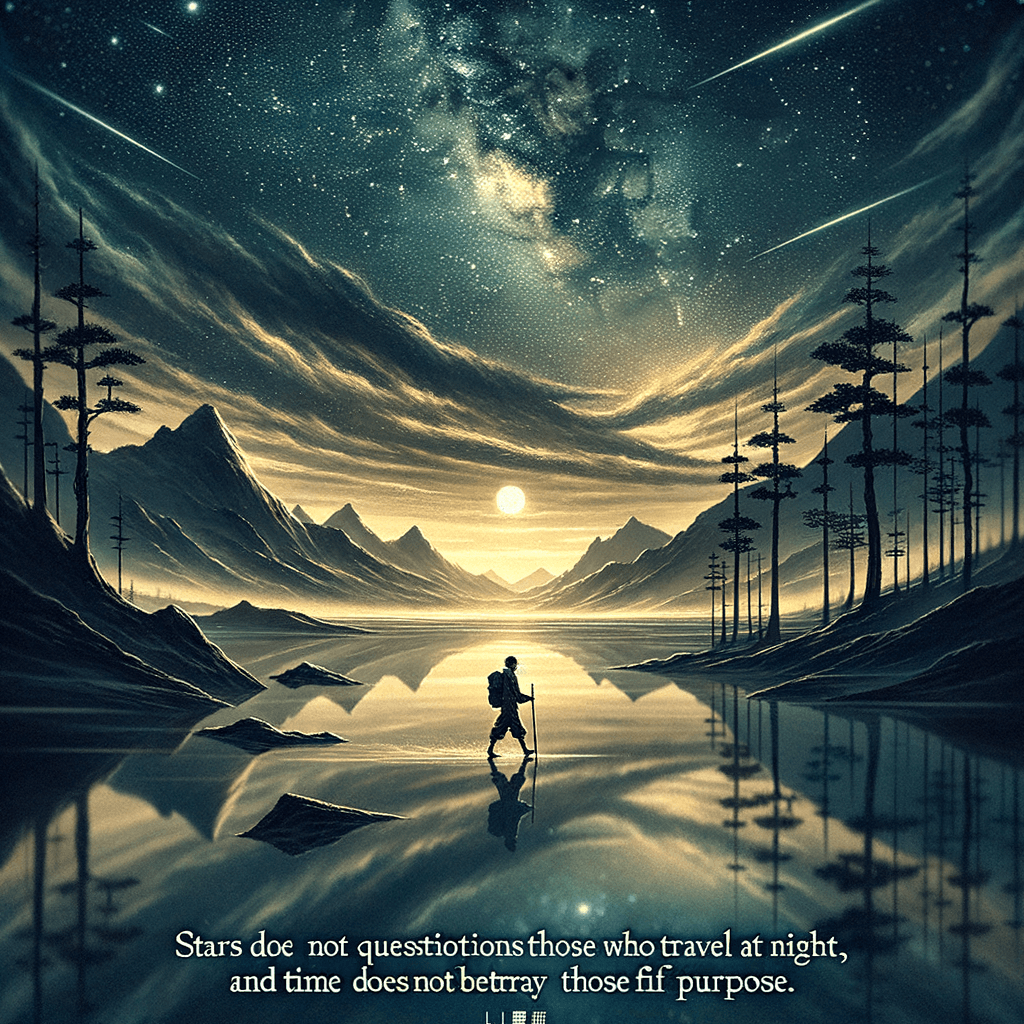
Starlight Does Not Question Those Who Travel, and Time Does Not Betray Those Who Are Determined - Li Bai
This quote symbolizes the idea that the universe silently supports those who choose to embark on their journeys. Starlight representing guidance for travelers signifies unwavering support for those who venture out.
Created on: 6/25/2024