Malala Yousafzai
Malala Yousafzai is a Pakistani activist for girls' education from Mingora in the Swat Valley, born in 1997. She survived a 2012 assassination attempt by the Taliban, co-received the 2014 Nobel Peace Prize, authored I Am Malala, and graduated from Oxford in 2020.
Quotes by Malala Yousafzai
Quotes: 35

Steady Courage That Awakens Collective Bravery
Finally, Malala’s insight applies far beyond dramatic moments of activism. In schools, workplaces, and families, standing with steady hands can mean refusing to laugh at a cruel joke, backing a colleague who is being ignored, or calmly insisting on fair treatment. Each act, however small, can embolden others to align their behavior with their conscience. Just as Malala’s stance for education created ripples across continents, everyday resolve can shift the norms of a classroom or community. In this way, individual steadiness gradually becomes a shared culture of courage. [...]
Created on: 12/7/2025

How Small Brave Decisions Transform an Entire Life
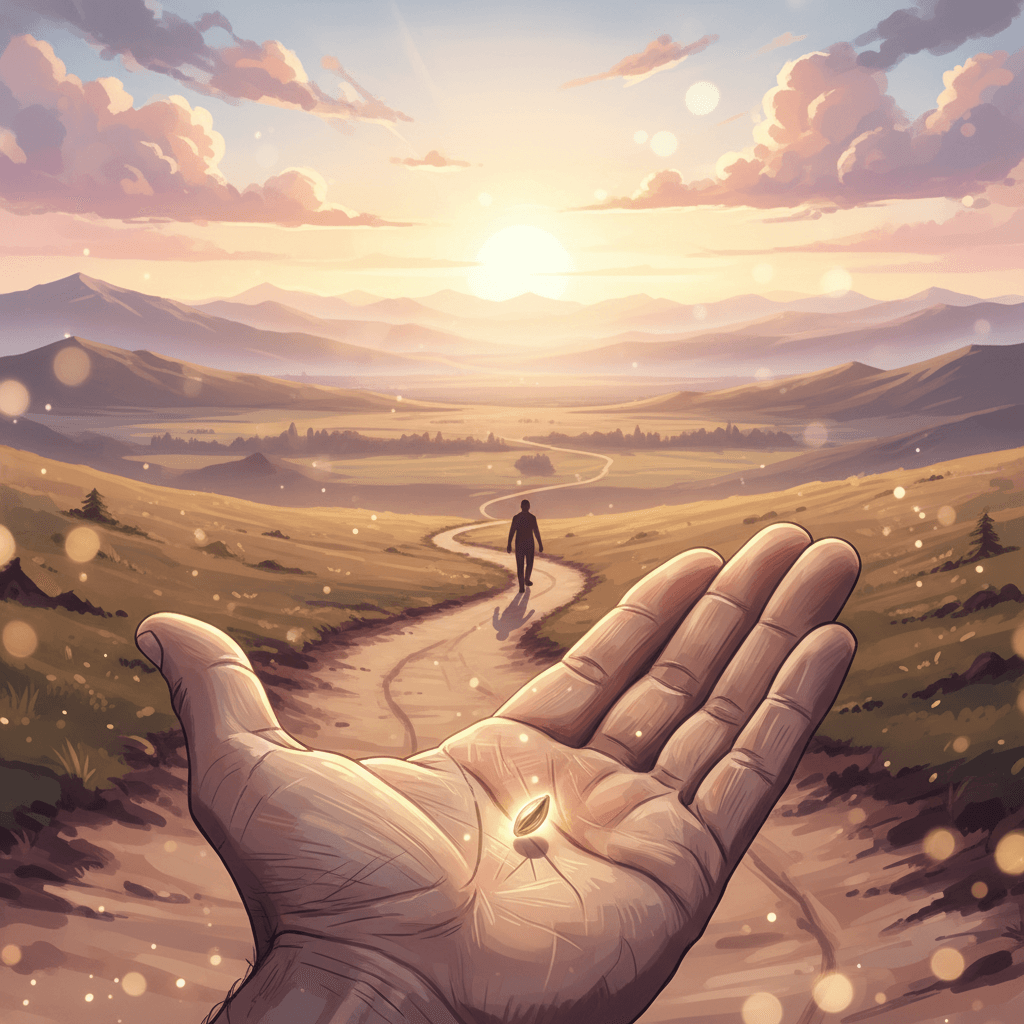
Finally, Malala’s life story demonstrates how personal seeds of courage can bear public fruit. Her early decisions to speak about girls’ education, first anonymously on a BBC blog and later openly, did not only change her own trajectory; they helped spark global conversations about children’s rights. Thus, the “new life” she names is not merely individual. It can extend outward into families, communities, and movements. In this way, her quote becomes both an encouragement and a gentle challenge: plant one small seed of bravery, and allow its growth to reach beyond yourself. [...]
Created on: 11/30/2025

Compassion as Catalyst for a Kinder World
Consequently, the path forward is both humble and ambitious: pair a concrete act with a mechanism for spread. A welcoming classroom policy becomes a school norm; a mutual-aid chat becomes a neighborhood network; a scholarship pilot becomes legislation guaranteeing 12 years of free, safe, quality education—the very aim Malala champions. Measure what ripples, broadcast success, and invite replication. In doing so, we honor the quote’s logic: begin with compassion, then let structure, evidence, and community multiply it into a kinder world. [...]
Created on: 11/18/2025

Planting Honest Ideas Makes Change Inevitable
Finally, inevitability operates on the clock of seasons, not seconds. Farmers know to watch the weather, prune at the right moment, and trust the slow chemistry of soil and sun. Likewise, meaningful transformation matures through cycles of learning and correction. By planting in honesty and tending with care, we set in motion a process that, given time, bears fruit. What begins as an idea ends as a landscape—changed not by force, but by growth. [...]
Created on: 11/15/2025

Building Bridges of Empathy, Crossing With Resolve
Ultimately, empathy and resolve form a repeatable sequence: understand, connect, commit, and act. South Africa’s Truth and Reconciliation Commission (Final Report, 1998) embodied this rhythm—public testimony fostered recognition and remorse, while structured conditions and constitutional reforms anchored forward motion. Similarly, local schools, workplaces, and movements can iterate the pattern, scaling from personal conversations to policy. In this way, Malala’s counsel becomes a civic habit: build with empathy, then cross with steady resolve—and keep building the next span. [...]
Created on: 11/12/2025

Stand Firm: Learning Opens the World's Doors
Finally, the call to stand firm widens from individuals to institutions. Scholarships, safe transport for girls, inclusive curricula, teacher development, and reliable internet are not luxuries but door hinges. Communities can amplify this by celebrating learning in public spaces—libraries, maker labs, cultural centers—so that study feels like participation rather than isolation. In return, educated citizens uphold the very doors they walk through, advancing policies that keep them open for others. Thus the quote resolves into a cycle: steadfast learners create opportunity; opportunity, responsibly shared, sustains the conditions for learning. When we align private determination with public support, the world does not merely open its doors—it invites the next generation to build more. [...]
Created on: 11/4/2025

Protect the Spark, Multiply Light Through Connection
Yet, as Paulo Freire’s Pedagogy of the Oppressed (1970) cautions, illumination must be dialogical, not domineering. Sharing your light should increase others’ capacity, not cast shadows that erase their agency. Seek consent, credit local knowledge, and expect reciprocity rather than dependence. In this way, the meeting of flames becomes a commons—not a spotlight—where many can see, contribute, and carry fire onward. [...]
Created on: 11/2/2025