
Authors
Mary Shelley
Mary Shelley (1797–1851) was an English novelist best known for Frankenstein, a foundational work of science fiction that examines ambition, creation, and responsibility. This quote reflects themes of fearlessness and power that recur in her writing.
Quotes: 5
Quotes by Mary Shelley

Why Sudden Change Hurts the Human Mind
Mary Shelley’s line emerges from the emotional core of Frankenstein (1818), where hope turns to horror almost overnight. Victor’s world repeatedly flips—scientific zeal becomes dread, love yields to loss—and the speed of...
Created on: 10/28/2025
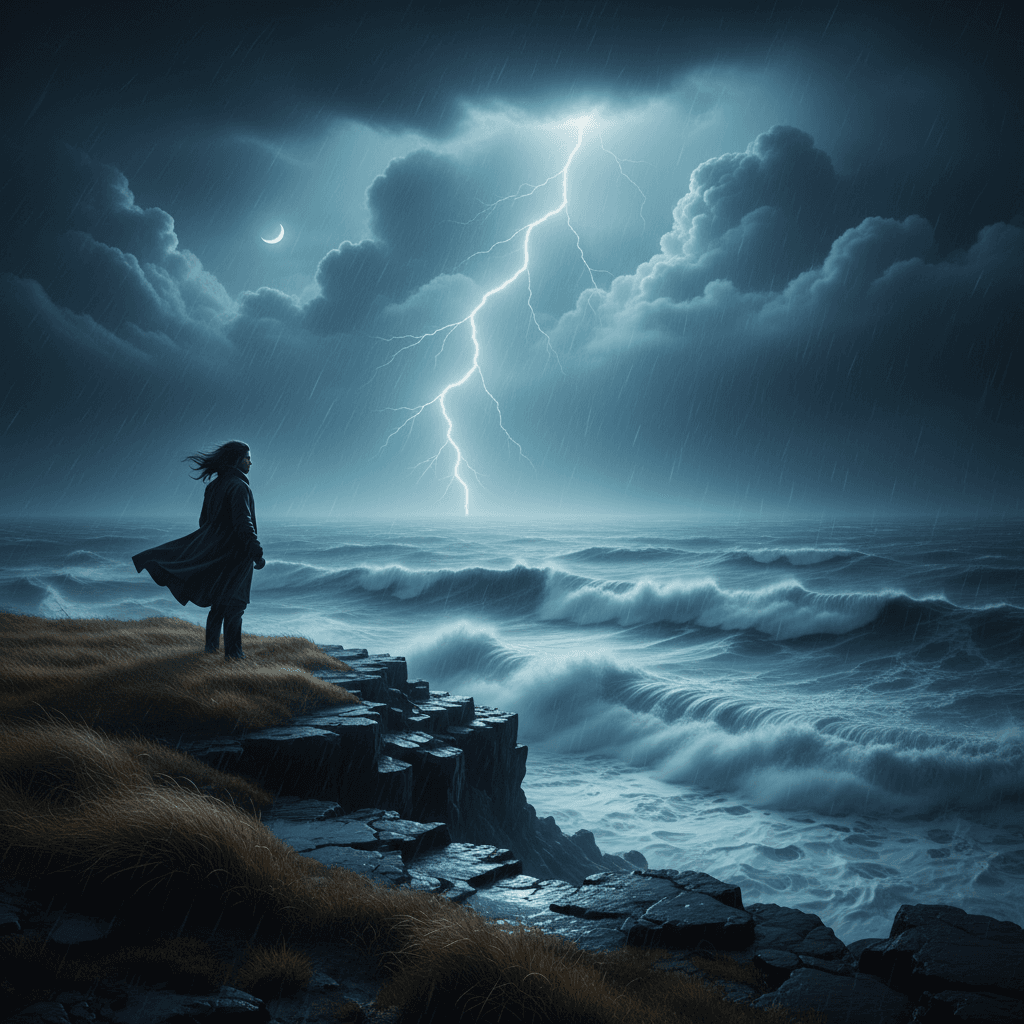
Fearlessness as a Gateway to Dangerous Power
Mary Shelley’s Frankenstein (1818) places this declaration in the mouth of the Creature during a confrontation with his maker. Having been denied kinship, shelter, and dignity, he concludes that the loss of fear—born fro...
Created on: 10/20/2025

Curiosity’s Path Beyond the Limits of Certainty
Mary Shelley’s line tilts the balance toward questions rather than conclusions, reflecting a Romantic-era suspicion of tidy answers. Where certainty freezes the world into fixed shapes, curiosity pries open hidden seams,...
Created on: 10/11/2025

The Future Is Shaped by Those Who Dare to Begin — Mary Shelley
This quote emphasizes the importance of taking the first step toward achieving something significant. Without initiating action, change cannot occur.
Created on: 4/23/2025
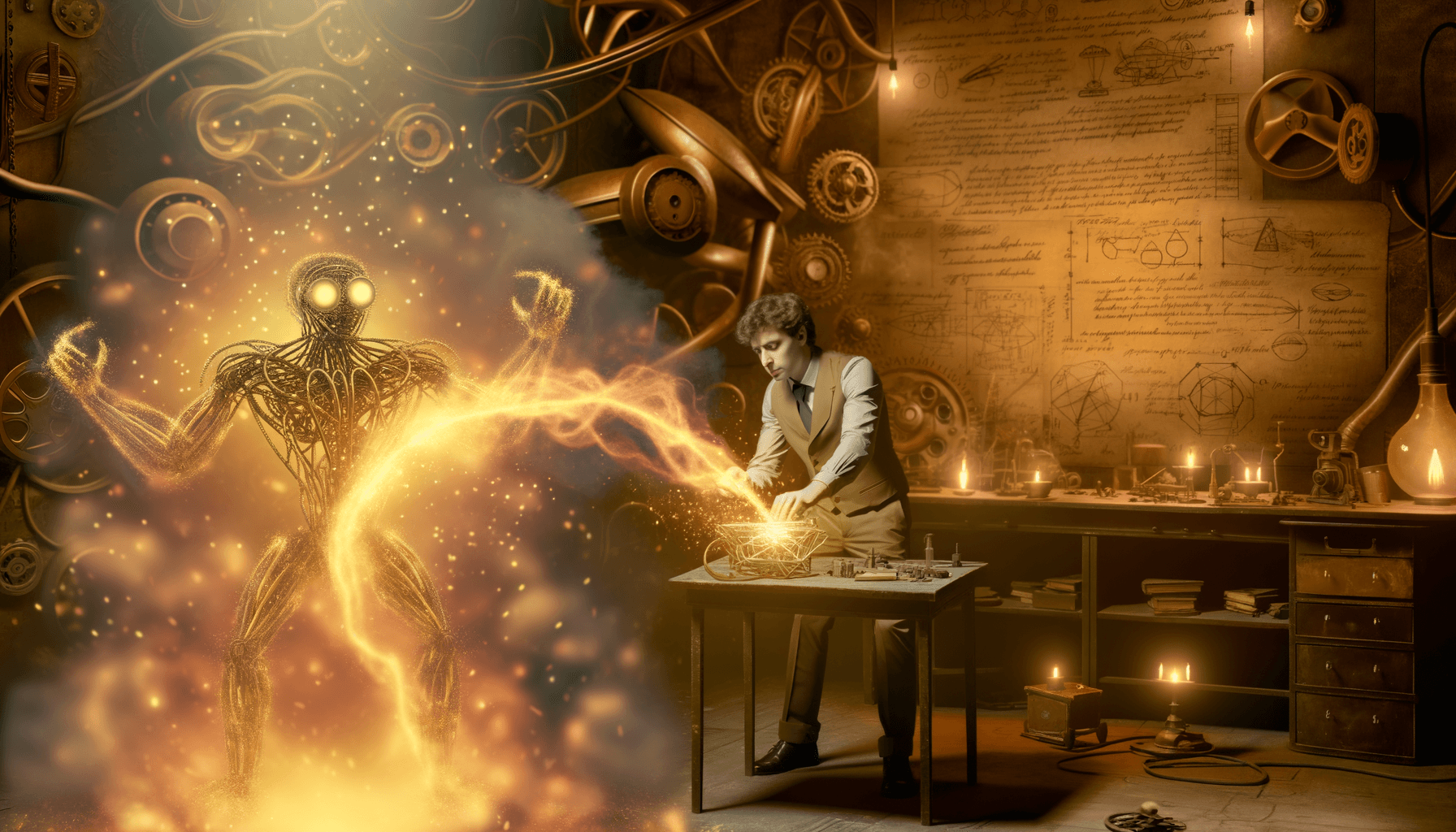
Act on Your Ideas and Give Them Life - Mary Shelley
This quote emphasizes that ideas alone are not enough; they must be acted upon to become meaningful. Creativity and innovation require effort to bring concepts to life.
Created on: 2/14/2025