Authors
May Sarton
May Sarton (1912–1995) was an American poet, novelist, memoirist and diarist known for writing about solitude, nature and the inner life. The quote 'The garden is a mirror of the heart' reflects her recurring themes connecting gardening and emotional life.
Quotes: 7
Quotes by May Sarton

Gardening as Grace in a Slower Life
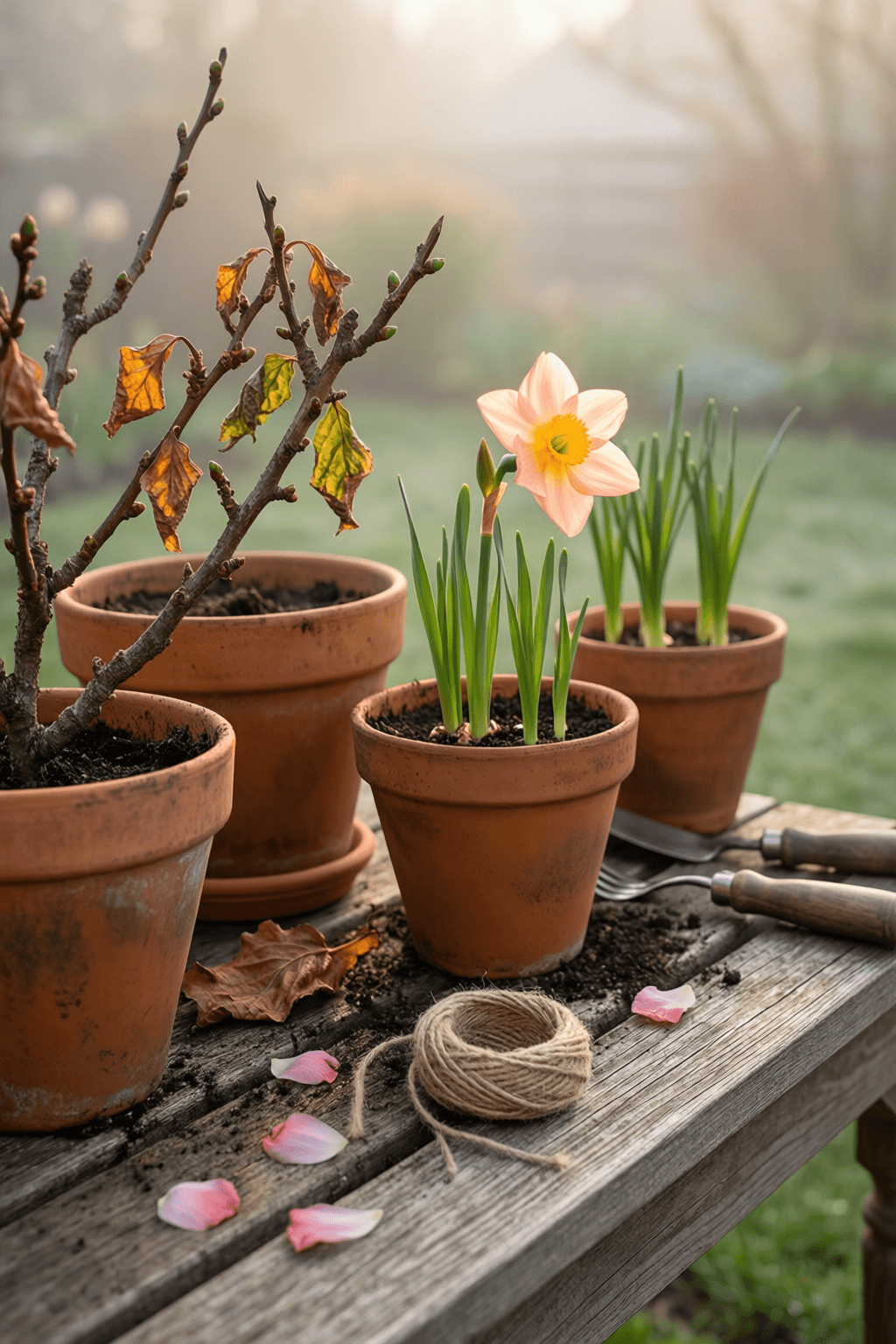
Ultimately, the quote reaches beyond gardening itself. The garden becomes a metaphor for how to inhabit time: patiently, seasonally, and with trust in gradual change. It teaches that setbacks may return us to what matters, and that progress is not always linear. For that reason, Sarton’s insight continues to resonate. Anyone who has watched a plant revive after neglect or waited weeks for the first green shoot knows the quiet hope built into the process. Gardening offers more than flowers or vegetables; it offers a way of being in the world that is slower, more attentive, and, in Sarton’s memorable word, graced. [...]
Created on: 3/21/2026

How Solitude Seasons a Life of Selfhood
With that balance in view, solitude becomes a training ground for attention. When distractions fall away, the mind meets itself more directly—sometimes uncomfortably at first. Yet over time, this encounter can grow into a form of inner companionship, where one learns to observe thoughts without being ruled by them and to create without needing immediate applause. Artists and writers often describe this as essential. Henry David Thoreau’s *Walden* (1854) portrays deliberate aloneness as a way to “live deliberately,” suggesting that solitude can sharpen perception and simplify desire. In Sarton’s terms, it is the condition that lets experience show its true notes rather than its socially acceptable ones. [...]
Created on: 2/15/2026

Loneliness and Solitude: Poverty Versus Inner Wealth
By contrast, Sarton frames solitude as “the richness of self,” suggesting an ability to inhabit one’s own mind without collapse or craving. Solitude becomes a place where attention returns—where thoughts can complete themselves, emotions can be heard, and values can surface without being edited for an audience. Historically, this view echoes contemplative traditions that treat aloneness as formative rather than deficient; Marcus Aurelius’ *Meditations* (2nd century AD), for example, repeatedly returns to the idea that a person can retreat inward and find steadiness. The richness here is not luxury but self-sufficiency: the self becomes a home. [...]
Created on: 2/8/2026

Rest as Medicine for the Wandering Mind
Having established rest as healing, Sarton immediately adds a surprising instruction: “Let your mind go into strange, untouched places.” The logic is subtle but coherent—true rest is not only stopping work; it is changing mental scenery. When the mind repeats the same worries and familiar scripts, it may be “resting” in time but not in experience. So she proposes a gentler alternative: loosen your grip on the known. In practice, that might mean allowing daydreams, drifting attention, or quiet curiosity to replace productivity. Rest, in her view, restores not only energy but also the capacity for discovery. [...]
Created on: 1/30/2026

Reflections of the Soul in the Garden’s Embrace
Furthermore, the cyclical life of a garden—its blooming springs, languid summers, and dormant winters—mirrors the ever-shifting tides of the heart. Just as plants experience birth, vitality, and repose, our inner lives similarly pass through seasons of growth, turbulence, and introspective pause. Japanese poets of the Heian era, for instance, often linked their own emotional ebbs with plum and cherry blossoms, reinforcing this connection. [...]
Created on: 7/15/2025

Embracing Authenticity: The Courage to Be Yourself
Many have dared the journey Sarton describes. Artists like Frida Kahlo and writers like James Baldwin became icons by fearlessly revealing their authentic selves—despite risk and ridicule. These biographies illustrate how personal courage inspires not only individual transformation but broader societal progress, making authenticity a collective value as much as a personal one. [...]
Created on: 6/22/2025

Embracing Risk on the Path to Genuine Delight
Looking to nature—and to creativity, which Sarton cherished—we find countless examples of risk as the price for brilliance. A seed must split to sprout; an artist must dare a blank canvas. Sarton’s own garden, chronicled in 'Plant Dreaming Deep' (1968), is replete with moments when tending to beauty required enduring both literal and metaphorical storms. Thus, risking delight becomes an act of ongoing engagement with life’s unpredictability. [...]
Created on: 5/24/2025