Nikos Kazantzakis
Nikos Kazantzakis (1883–1957) was a Greek novelist, playwright and philosopher best known for Zorba the Greek and The Last Temptation of Christ. His work explores existential struggle, spirituality, and human freedom, reflected in the quote 'I hope for nothing. I fear nothing. I am free.'
Quotes by Nikos Kazantzakis
Quotes: 4

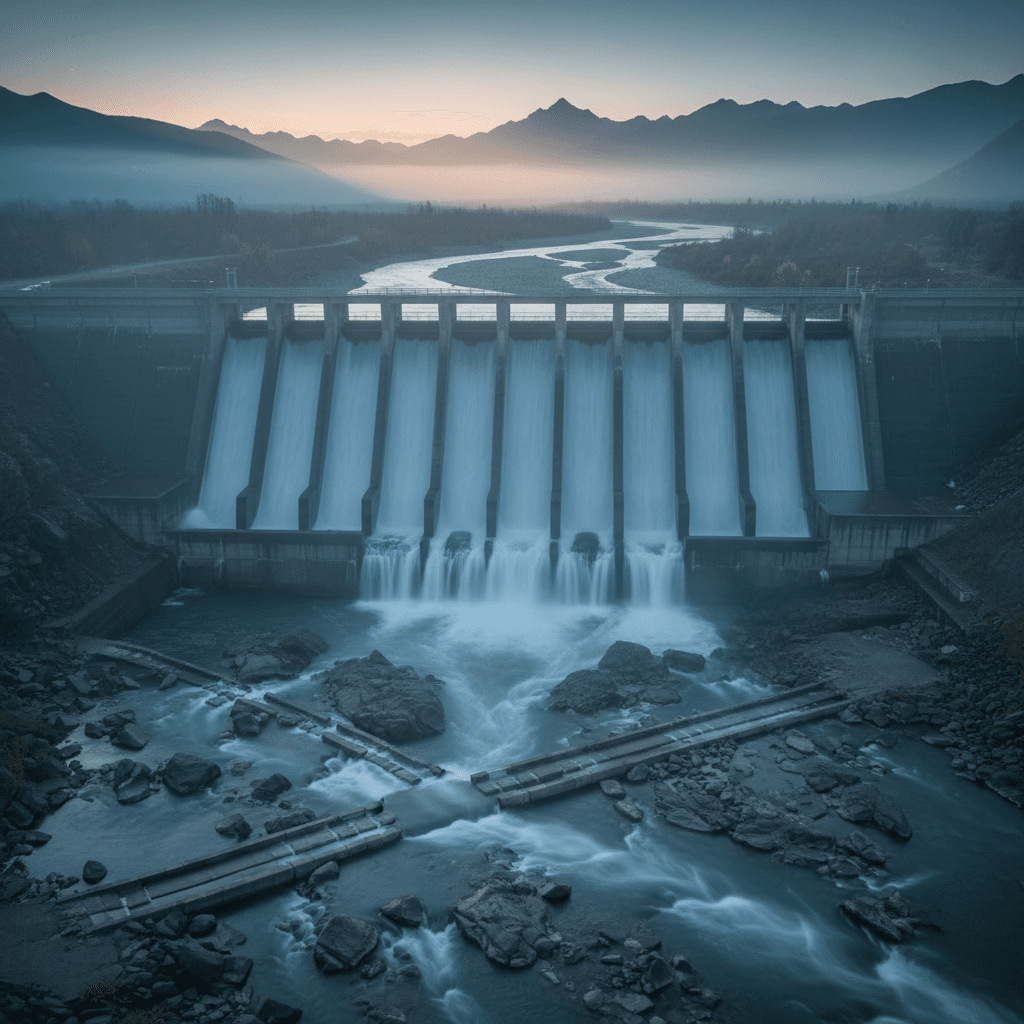
Moving Like Water: Persistence Without Resistance
To “move like water” is to return to the task even when nothing seems to change. Water shapes stone not by winning a single battle, but by countless small contacts that add up. This reframes persistence as a practice of showing up—writing one paragraph, taking one walk, making one difficult phone call—without demanding immediate proof that it matters. As a result, the quote quietly rejects the myth of the heroic sprint. It invites a slower heroism: the kind that keeps going after the initial excitement fades. In many creative lives, the difference between aspiration and achievement is simply the willingness to come back tomorrow and continue flowing. [...]
Created on: 1/1/2026

When Everyday Color Becomes Revolutionary Art
Kazantzakis’s line invites us to treat the dull edges of routine as a canvas, where a splash of boldness is not mere ornament but a spark of transformation. In Zorba the Greek (1946), a dance interrupts drudgery, turning labor into a moment of ecstatic presence; likewise, color shifts perception from passive to active. By reframing daily acts as aesthetic gestures—arranging a desk like a still life, wearing a vivid scarf to a gray meeting—we train attention toward possibility rather than inertia. The revolution, then, begins not with slogans but with sensibility. [...]
Created on: 11/2/2025

Freedom Beyond Hope and Fear: Kazantzakis's Challenge
Carved on Kazantzakis’s grave in Heraklion, Crete, the line—"I hope for nothing. I fear nothing. I am free."—reads like a koan. Rather than bleak resignation, it issues a challenge: loosen the grip of expectation. By pairing hope with fear, he exposes how both tether us to imagined futures; in cutting those cords, he suggests, the present becomes livable. This opening paradox sets the tone for a more demanding form of freedom. [...]
Created on: 8/25/2025

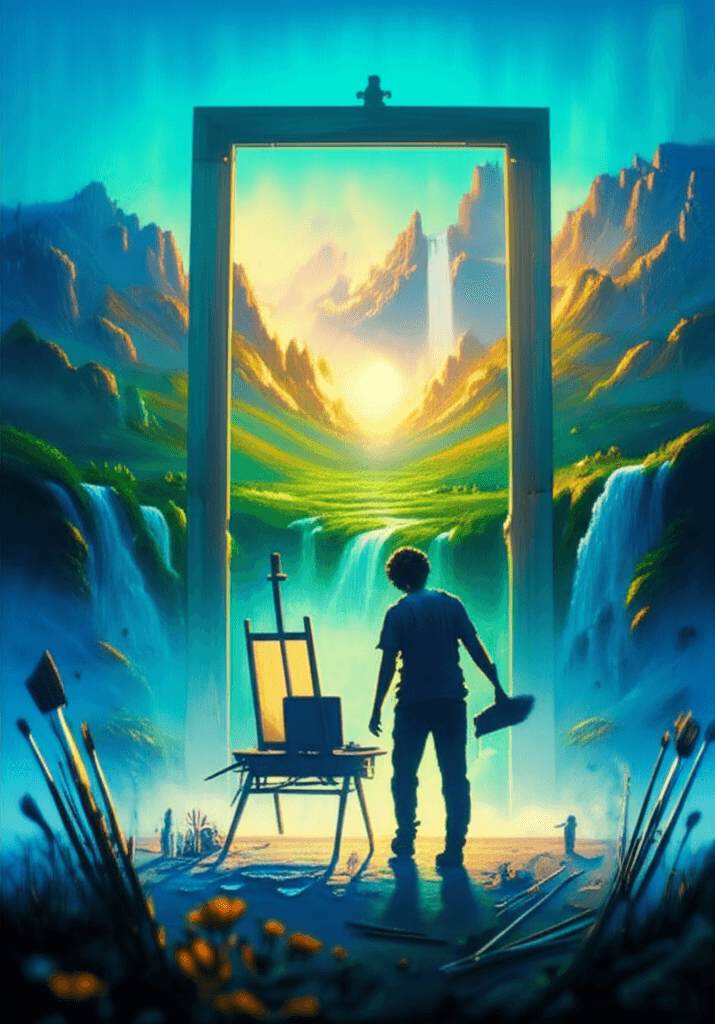
Painting Paradise: Turning Vision Into Lived Reality
Kazantzakis compresses a whole philosophy into a single motion: with tools in hand and colors chosen, you make a world—and then you step inside it. The final clause, “then in you go,” turns art from spectacle into threshold. It echoes his characters’ urgency in Zorba the Greek (1946), where dancing after failure becomes a way to live one’s creation, not merely contemplate it. Likewise, in Report to Greco (1961), he describes chiseling meaning from the raw rock of existence. By naming the brush and the colors, he rejects passivity; by walking into the canvas, he makes craft into courage. Thus the quote inaugurates a movement from conception to habitation, insisting that the good life is not only designed but also dwelt in. [...]
Created on: 8/23/2025