
Authors
Thomas Jefferson
Thomas Jefferson (1743–1826) was an American Founding Father, principal author of the Declaration of Independence, and the third President of the United States (1801–1809). He was also a diplomat, architect, and advocate of republican government, known for his estate Monticello and extensive correspondence.
Quotes: 7
Quotes by Thomas Jefferson
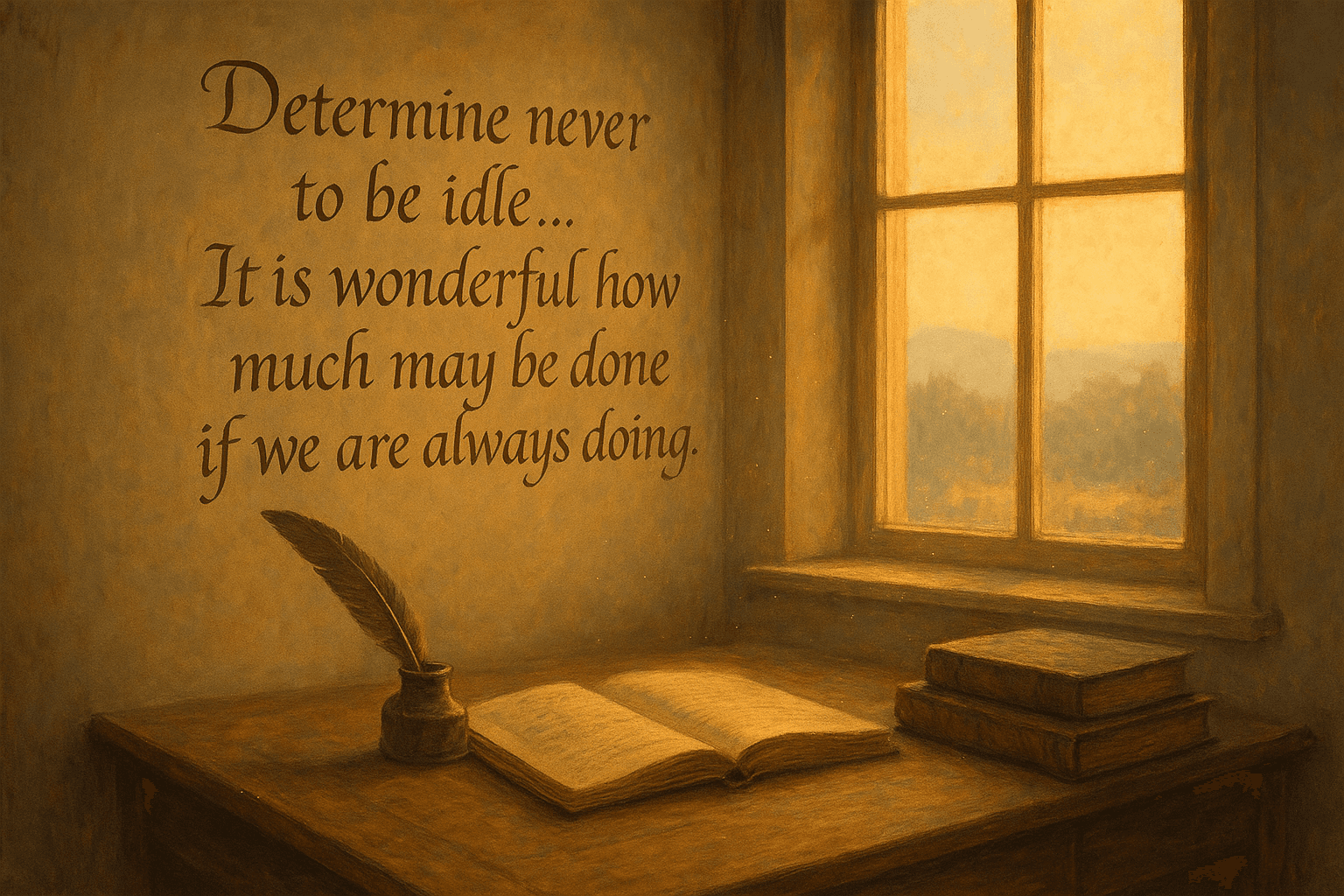
The Quiet Power of Never Being Idle
Thomas Jefferson’s admonition to “determine never to be idle” is less about frantic busyness and more about a deliberate stance toward life. By using the word “determine,” he frames action as a conscious choice, not a me...
Created on: 12/4/2025

Choosing Tomorrow’s Dreams Over Yesterday’s Histories
Jefferson’s line comes from a letter to John Adams (1 August 1816), written in retirement as the revolutionary generation weighed what they had done—and what remained. In admitting he preferred dreams of the future to th...
Created on: 9/1/2025

How Hard Work Manufactures Its Own Luck
At first hearing, the line often credited to Thomas Jefferson sounds like a wink at fortune; yet on closer inspection it reframes luck as readiness meeting opportunity. Work, in this view, is not a talisman but a prepara...
Created on: 8/25/2025

The Hidden Dangers Beneath Moments of Pleasure
Thomas Jefferson’s vivid imagery draws from the world of fishing: bait lures in fish, tempting them with the promise of food, but often conceals a deadly hook. In human affairs, pleasures frequently tempt us—be it in con...
Created on: 5/24/2025

Delay Is Preferable to Error — Thomas Jefferson
Jefferson emphasizes that it's better to take time to make a correct decision than to rush into one that could prove to be wrong. Thoughtfulness and careful deliberation lead to better outcomes.
Created on: 3/29/2025
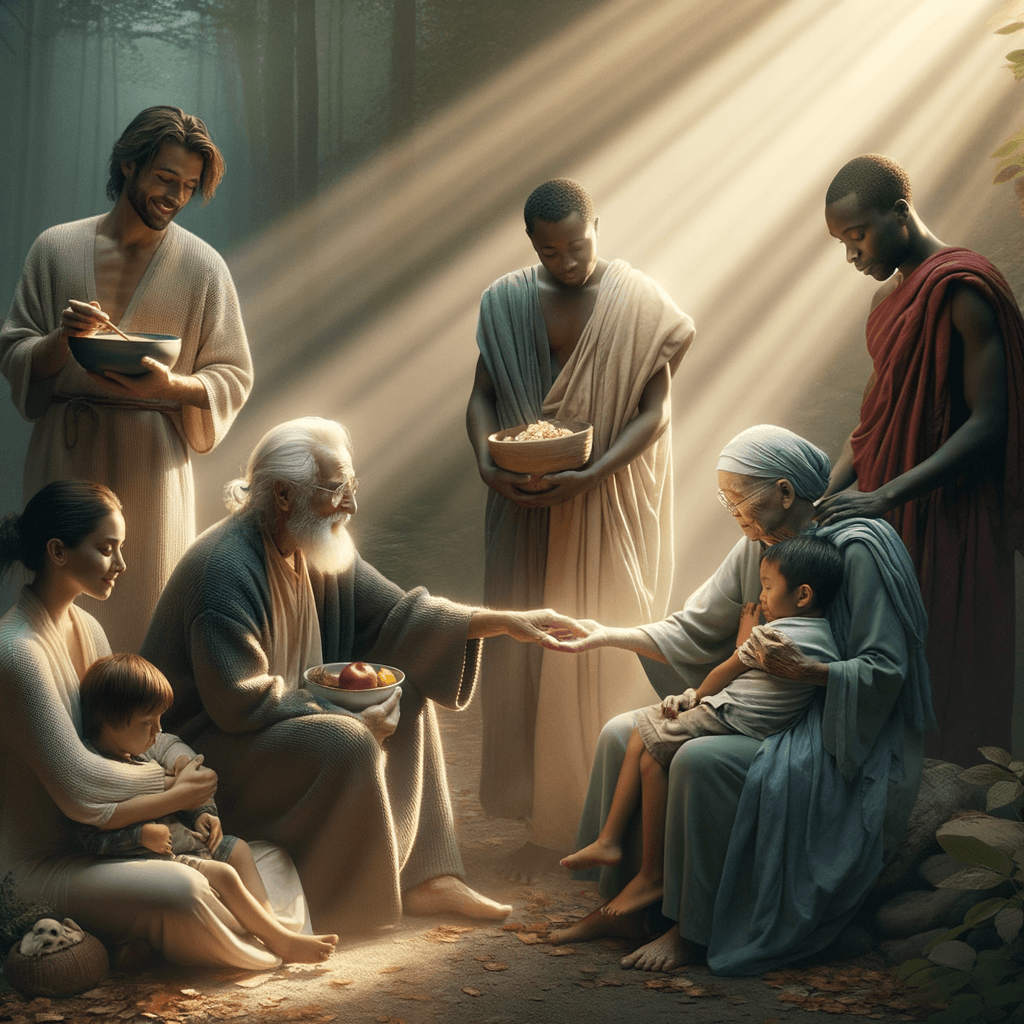
It Is in Our Lives and Not Our Words That Our Religion Must Be Read - Thomas Jefferson
Jefferson is emphasizing that the true measure of a person's religious beliefs is reflected in their actions and behaviors, not merely in their declarations or verbal affirmations.
Created on: 11/17/2024
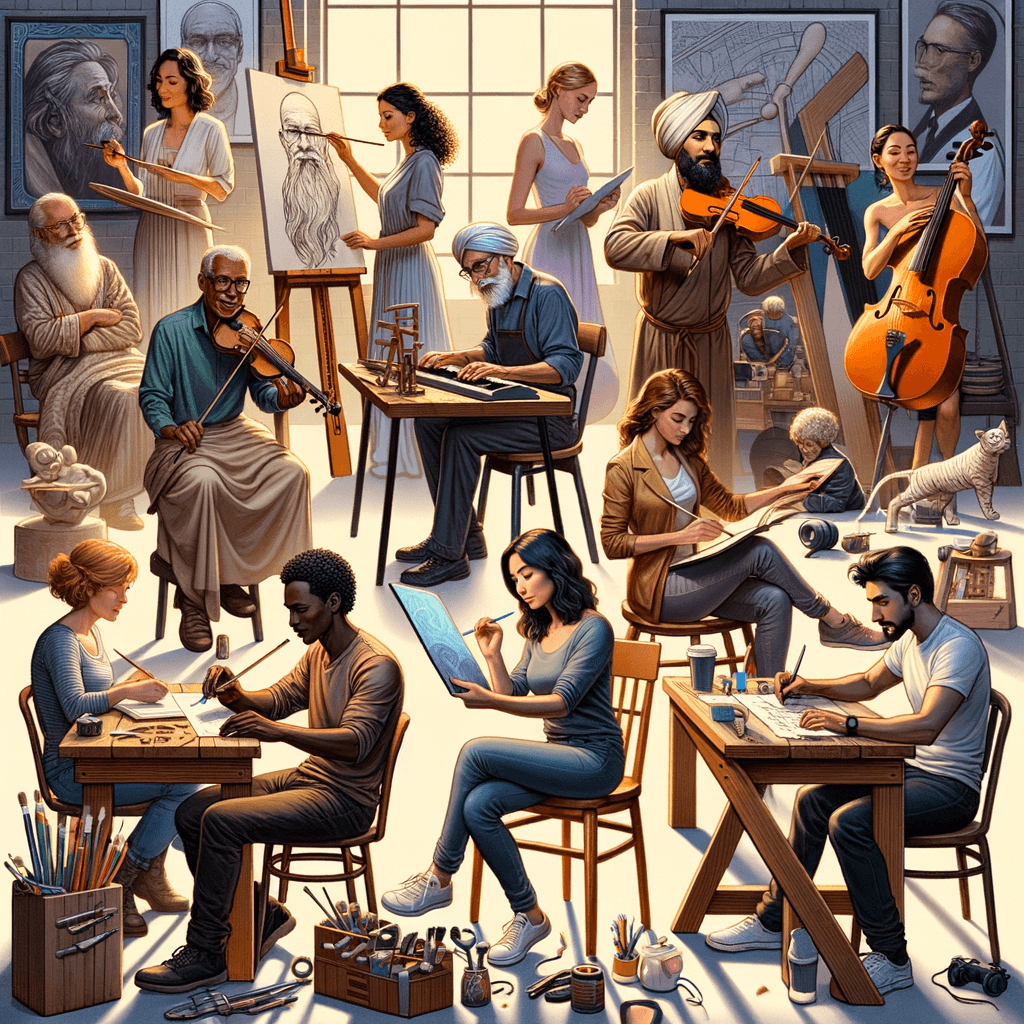
Let Each Man Exercise the Arts He Knows, or Let Him Acquire New Ones — Thomas Jefferson
Jefferson encourages individuals to make the most of the skills they already possess. By doing what one knows well, a person can contribute to society and achieve personal satisfaction.
Created on: 9/19/2024