
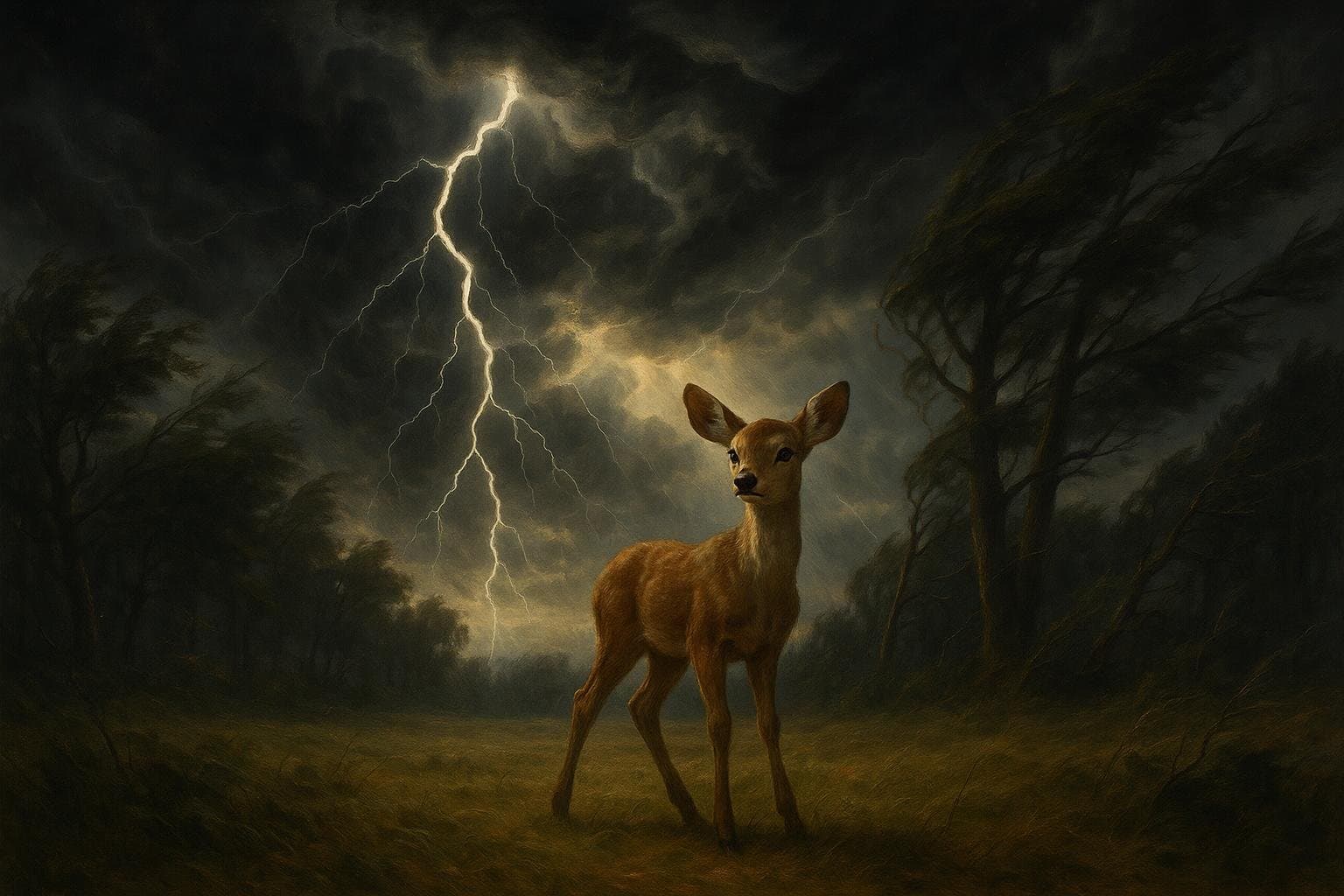
Courage is fear holding on a minute longer. — George S. Patton
—What lingers after this line?
Understanding Patton’s Perspective
General George S. Patton, famous for his leadership during World War II, encapsulates the essence of bravery in his assertion. Rather than portraying courage as an absence of fear, Patton frames it as the willingness to endure fear just a bit longer. This refreshingly candid perspective demystifies heroism, revealing it as an act accessible to anyone who chooses to persist despite anxiety or dread.
The Nature of Fear and Human Emotion
To further comprehend Patton’s insight, it helps to consider the biological and psychological roots of fear. Fear is a primal response, frequently triggered by perceived threats. However, history and literature show that heroes are often those who continue their mission in spite of trembling hands or pounding hearts. In Homer’s *Iliad*, Achilles’ valor emerges not because he is unafraid, but because he persists amid the chaos and terror of war.
Moments That Define Bravery
Building on Patton’s theme, moments of crisis clarify the thin line between retreat and resolve. In 1914, soldiers at the Battle of Ypres famously held their positions against overwhelming odds, drawing on reserves of courage in the darkest minutes. Their actions exemplify Patton’s point: true bravery is often a decision made in a fleeting, vulnerable moment, when the urge to surrender is greatest.
Reframing Courage in Everyday Life
Extending beyond the battlefield, Patton’s words resonate in everyday struggles. Whether it’s speaking up in a difficult meeting or facing illness, individuals frequently find themselves summoning the will to endure discomfort a little longer. Psychologist Angela Duckworth’s research on grit further supports this, showing that persistence in adversity frequently leads to meaningful achievements.
Cultivating Resilience and Hope
Ultimately, Patton’s wisdom invites us to cultivate resilience by acknowledging fear without capitulating to it. By holding on ‘a minute longer,’ we give ourselves the chance to overcome obstacles, and sometimes, transform fear into newfound strength. In doing so, we embody the quiet courage that shapes history—both on grand stages and in our personal journeys.
One-minute reflection
Why might this line matter today, not tomorrow?
Related Quotes
6 selectedDon't fight the challenges. Just find a new way to stand. — Germany Kent
Germany Kent
Germany Kent’s words begin with a quiet reversal of instinct: instead of treating every challenge as an enemy to defeat, she invites us to reconsider our posture toward difficulty. The emphasis is not on surrender, but o...
Read full interpretation →To be courageous is to act with the heart. — Molière
Molière
Molière’s line suggests that courage is not merely the absence of fear, but the decision to move despite it. By connecting courage with the heart, he frames bravery as an emotional and moral act rather than a simple disp...
Read full interpretation →Optimist: someone who figures that taking a step backward after taking a step forward is not a disaster, it's more like a cha-cha. — Robert Brault
Robert Brault
Robert Brault’s line begins with a witty redefinition: an optimist is not someone who denies backward motion, but someone who interprets it differently. Instead of treating a setback as proof of failure, the optimist see...
Read full interpretation →A mind grows by staying with difficulty long enough for the experience to change it. — Mary Catherine Bateson
Mary Catherine Bateson
Mary Catherine Bateson’s observation begins with a quiet but demanding truth: the mind does not grow merely by encountering difficulty, but by remaining with it. Challenge becomes transformative only when we resist the u...
Read full interpretation →When you are friends with your storm, you dance, instead of getting blown away. — Michael Bassey Johnson
Michael Bassey Johnson
Michael Bassey Johnson’s line begins with a striking reversal: the storm is not merely an enemy to survive, but a force one can learn to understand. In this sense, the storm may represent grief, fear, conflict, uncertain...
Read full interpretation →The best people possess a feeling for beauty, the courage to take risks, the discipline to tell the truth, the capacity for sacrifice. — Ernest Hemingway
Ernest Hemingway
Hemingway’s line presents goodness not as politeness or success, but as a demanding inner code. The “best people” are those who combine sensitivity, bravery, honesty, and self-denial—qualities that do not always coexist...
Read full interpretation →More From Author
More from George S. Patton →Never tell people how to do things. Tell them what to do and they will surprise you with their ingenuity. — George S. Patton
George S. Patton’s line strips leadership down to a sharp distinction: describing the objective is leadership; prescribing the method is control.
Read full interpretation →Take calculated risks. That is quite different from being rash. — George S. Patton
This quote emphasizes the importance of making informed decisions based on careful analysis and consideration. Calculated risks involve weighing potential benefits against possible downsides before taking action.
Read full interpretation →A good plan violently executed now is better than a perfect plan executed next week. — George S. Patton
This quote emphasizes the importance of immediate action rather than waiting for the ideal solution. It suggests that taking steps now, even if the plan is not flawless, is more effective than delaying for perfection.
Read full interpretation →You need to overcome the tug of people against you as you reach for high goals. — George S. Patton
This quote highlights the importance of perseverance when striving for ambitious goals, even when others try to hold you back or discourage you.
Read full interpretation →