
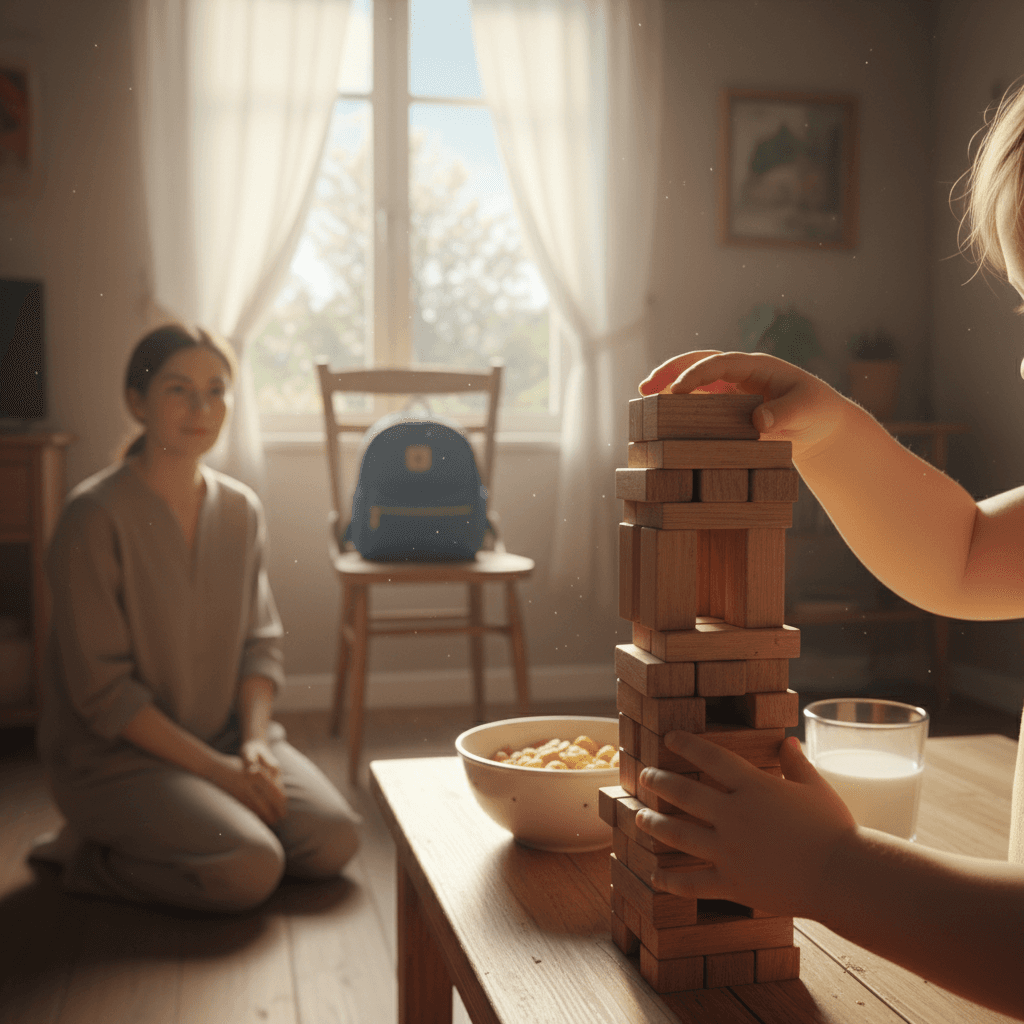
Many things we need can wait. The child cannot. Right now is the time his bones are being formed. — Gabriela Mistral
—What lingers after this line?
A Call to Immediate Responsibility
Gabriela Mistral’s words draw a sharp line between what can be postponed and what cannot: a child’s development. By contrasting “many things we need” with “the child,” she reframes urgency away from adult priorities and toward the vulnerable life in front of us. The quote doesn’t deny that adults face real pressures; instead, it insists that childhood is a narrow window that closes quickly. From the outset, Mistral speaks in the language of moral timing. If we delay, we do not merely risk inconvenience later—we risk missing the moment when care can have its greatest impact. That sets the stage for understanding childhood as a time-sensitive obligation, not a flexible agenda item.
Why Waiting Costs More Than We Think
The phrase “can wait” sounds harmless until it meets the reality that children cannot pause their growth. Days pass regardless of our readiness, and a child’s needs—food, safety, affection, stimulation—arrive on schedule. In that sense, postponement becomes a decision with consequences, even when it feels like an unavoidable compromise. This is why the quote hits with such force: it exposes delay as a quiet form of neglect when it becomes habitual. As Mistral implies, we often intend to do better “soon,” but childhood is not a refundable resource. Recognizing that pressure is not meant to induce guilt so much as to clarify priorities while the opportunity still exists.
Bones as a Symbol of Irreplaceable Foundations
Mistral chooses an image that is both literal and symbolic: “Right now is the time his bones are being formed.” Literally, early life is a period of intense physical growth shaped by nutrition, health care, and protection from harm. Symbolically, bones stand for structure—what holds a person up when life becomes heavy. That symbolism broadens the message beyond physical development. It hints that values, confidence, language, and emotional security are also “being formed” in ways that are hard to reconstruct later. Once a foundation sets, renovations are possible, but they are costlier and less certain than building well from the start.
Development Happens in Windows, Not Endlessly
Moving from metaphor to human reality, the quote aligns with a basic insight in developmental science: some capacities are especially sensitive to early experiences. Attachment research, for instance, emphasizes the importance of reliable caregiving in shaping a child’s sense of safety and trust; John Bowlby’s *Attachment and Loss* (1969) helped establish how early bonds influence later emotional patterns. Importantly, this doesn’t mean change is impossible later. However, it does mean timing matters. When Mistral insists on “right now,” she is pointing to the practical truth that early support often prevents later crises—making “immediate care” not only compassionate but also profoundly efficient.
The Ethics of Attention in Ordinary Life
Mistral’s urgency also speaks to everyday choices: the temptation to prioritize work, social demands, or long-term planning while a child waits for presence. A small anecdote makes the point: a parent who consistently says “after this email” may not intend harm, yet the child learns that connection is conditional and easily displaced. Over time, those small deferrals can shape a family’s emotional climate. As the quote suggests, ethics is often less about grand decisions than about attention in small moments. Meeting a child’s needs—listening, feeding, comforting, teaching—becomes a daily practice of choosing what matters most while it still matters most.
Turning Urgency into Sustainable Care
Finally, the challenge is to honor Mistral’s urgency without collapsing into burnout. “The child cannot wait” does not require perfection; it requires consistent, timely responsiveness. In practical terms, that can mean protecting routines, ensuring basic health and nutrition, and offering steady emotional availability even in brief intervals. Seen this way, the quote becomes less a rebuke and more a compass. It asks adults to align schedules, institutions, and communities around children’s real timelines rather than adult convenience. Because while many ambitions can be postponed and recovered, childhood is lived once—and its foundations are laid in the present tense.
One-minute reflection
Why might this line matter today, not tomorrow?
Related Quotes
6 selectedNurture the child in you; from fierce kindness springs the world you wish to build. — Gabriela Mistral
Gabriela Mistral
Gabriela Mistral’s line begins as an inward instruction: “Nurture the child in you.” Before it becomes a social program or moral stance, it asks for a return to the self—to the part that still feels wonder quickly and hu...
Read full interpretation →History will judge us by the difference we make in the everyday lives of children. — Nelson Mandela, South Africa.
Nelson Mandela, South Africa.
This quote highlights the notion that the true measure of our legacy is not just in grand achievements, but in how we improve the lives of children today, who will shape the future.
Read full interpretation →Let kindness be the currency that buys you tomorrow. — Gabriela Mistral
Gabriela Mistral
Gabriela Mistral frames kindness as “currency,” turning an inner virtue into something spendable and consequential. By borrowing the language of trade, she suggests that daily interactions function like a marketplace of...
Read full interpretation →Let wonder be the compass that stills your hurry and starts your work. — Gabriela Mistral
Gabriela Mistral
Gabriela Mistral—Chilean poet, educator, and Nobel laureate (1945)—often linked tenderness to purpose, teaching to service. Her line directs us to treat wonder not as ornament but as instrument: a compass.
Read full interpretation →Plant compassion and watch stubborn problems bloom into solutions. — Gabriela Mistral
Gabriela Mistral
Gabriela Mistral, the Chilean poet-diplomat and Nobel laureate (1945), was also a teacher who treated classrooms like gardens—places where careful tending could turn hardship into growth. Her horticultural phrasing—“Plan...
Read full interpretation →The fortune of a nation is encapsulated in the nature of its people. — Gabriela Mistral
Gabriela Mistral
This quote emphasizes that the success and well-being of a nation depend on the character, values, and actions of its people. A country thrives when its citizens are responsible, hardworking, and ethical.
Read full interpretation →More From Author
More from Gabriela Mistral →Nurture the child in you; from fierce kindness springs the world you wish to build. — Gabriela Mistral
Gabriela Mistral’s line begins as an inward instruction: “Nurture the child in you.” Before it becomes a social program or moral stance, it asks for a return to the self—to the part that still feels wonder quickly and hu...
Read full interpretation →Let kindness be the currency that buys you tomorrow. — Gabriela Mistral
Gabriela Mistral frames kindness as “currency,” turning an inner virtue into something spendable and consequential. By borrowing the language of trade, she suggests that daily interactions function like a marketplace of...
Read full interpretation →Let wonder be the compass that stills your hurry and starts your work. — Gabriela Mistral
Gabriela Mistral—Chilean poet, educator, and Nobel laureate (1945)—often linked tenderness to purpose, teaching to service. Her line directs us to treat wonder not as ornament but as instrument: a compass.
Read full interpretation →Plant compassion and watch stubborn problems bloom into solutions. — Gabriela Mistral
Gabriela Mistral, the Chilean poet-diplomat and Nobel laureate (1945), was also a teacher who treated classrooms like gardens—places where careful tending could turn hardship into growth. Her horticultural phrasing—“Plan...
Read full interpretation →