
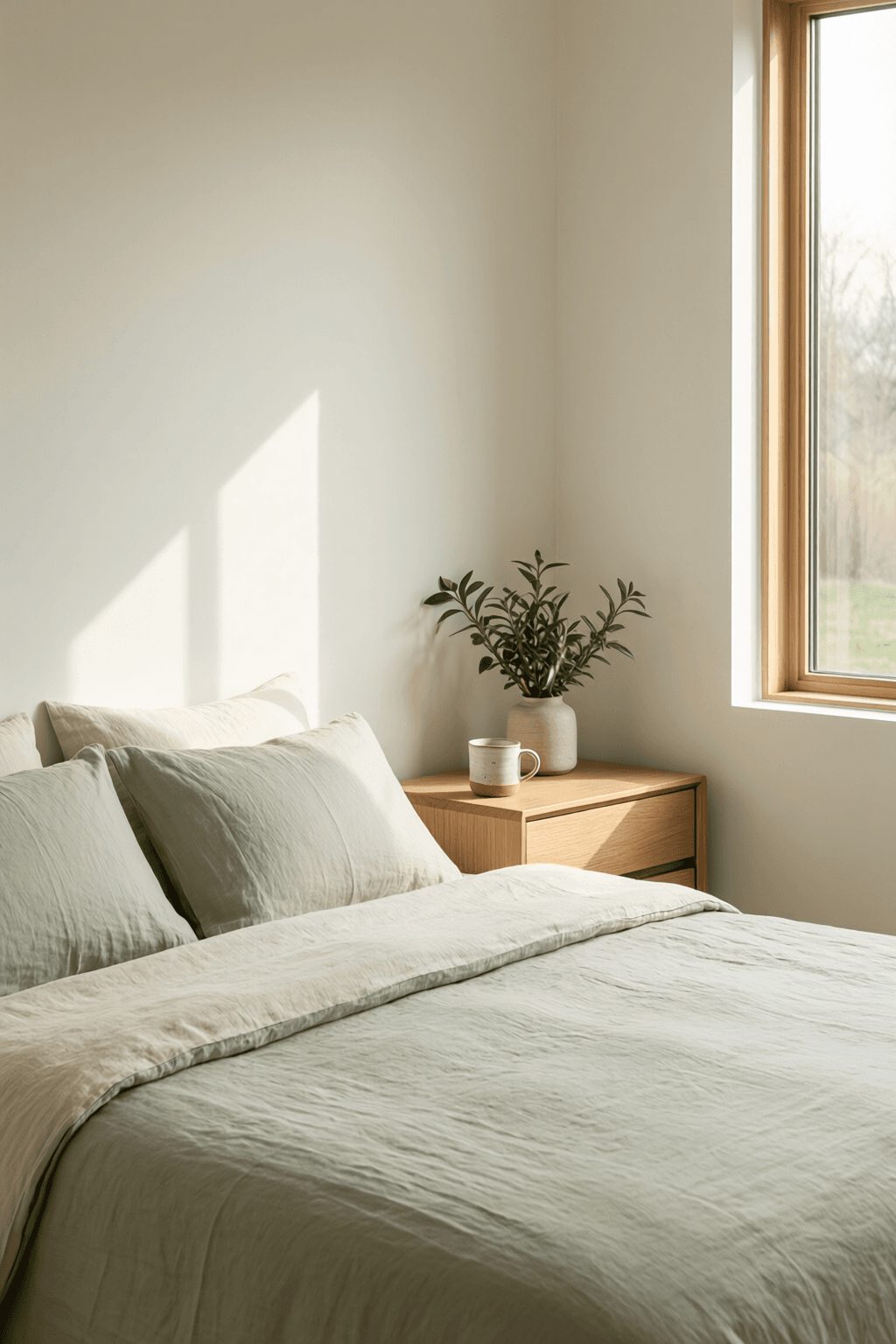
Your personal space is a foundation for self-care. — Minaa B.
—What lingers after this line?
A Quiet Base for Well-Being
Minaa B.’s statement begins with a simple but powerful premise: personal space is not a luxury, but a base layer of health. In this sense, self-care becomes more than candles, routines, or occasional rest; it starts with having room to think, feel, and exist without constant intrusion. The quote reframes care as something rooted in boundaries rather than performance. From there, the idea expands naturally. When a person has access to emotional, physical, or mental space, they are better able to notice their own needs before burnout sets in. In other words, personal space creates the conditions in which self-awareness can emerge, making all other forms of care more honest and sustainable.
Boundaries as an Act of Respect
Building on that foundation, personal space is closely tied to boundaries. To protect one’s time, energy, and attention is not selfish; rather, it is a practical declaration that one’s inner life matters. Writers on mental health such as Nedra Glover Tawwab in Set Boundaries, Find Peace (2021) argue that boundaries help preserve emotional balance and reduce resentment, which aligns closely with Minaa B.’s insight. As a result, personal space becomes a form of self-respect. When people regularly surrender all privacy or availability, they often become disconnected from themselves. By contrast, even small acts—declining a call, taking a solitary walk, closing a door—can restore a sense of agency.
The Psychological Need for Solitude
Looking deeper, the quote also points toward the value of solitude. Psychologist Donald Winnicott’s essay “The Capacity to Be Alone” (1958) suggests that the ability to be alone is a marker of emotional development, not isolation. This distinction matters: personal space does not necessarily mean withdrawing from others, but cultivating a secure environment in which the self can settle. Consequently, moments of chosen aloneness can be restorative rather than lonely. A person who has space to process thoughts privately is often less reactive and more grounded in relationships. In that way, solitude supports connection precisely because it first supports inner stability.
Why Space Strengthens Relationships
Once this inward dimension is understood, the social dimension becomes clearer. Healthy relationships do not erase individuality; instead, they make room for it. Personal space allows people to return to one another with more patience, less resentment, and a stronger sense of identity. As bell hooks writes in All About Love (2000), love cannot flourish where domination replaces care, and respecting another’s autonomy is part of genuine affection. Therefore, personal space is not a barrier to intimacy but a safeguard for it. A friend, partner, or family member who honors boundaries helps create the trust that closeness requires. Space, paradoxically, can be what makes emotional nearness possible.
Resisting a Culture of Constant Access
At the same time, Minaa B.’s words quietly challenge modern expectations of nonstop availability. Digital life often encourages immediate replies, perpetual visibility, and the blurring of work, social, and private time. In such a climate, personal space can feel difficult to claim, even though it is increasingly necessary. The quote reminds us that self-care may begin with refusal: not answering, not explaining, not overextending. Seen this way, protecting space is a countercultural practice. It pushes back against the idea that worth is measured by responsiveness or productivity. Instead, it affirms that rest, privacy, and unclaimed time are essential parts of a healthy human life.
Turning the Insight Into Daily Practice
Finally, the strength of the quote lies in its practicality. If personal space is foundational, then self-care must be built into daily structures rather than postponed for emergencies. This can mean creating a morning ritual before speaking to anyone, scheduling device-free hours, or telling loved ones that certain times are reserved for rest. Small, repeated choices make the foundation real. Ultimately, Minaa B. offers a definition of self-care that is both compassionate and firm. Personal space is the ground from which clarity, emotional regulation, and healthy connection grow. Without it, care becomes reactive; with it, care becomes a way of living.
One-minute reflection
Why might this line matter today, not tomorrow?
Related Quotes
6 selectedDo not let your mind bully your body into believing it must carry the weight of the world. — Astrid Alauda
Astrid Alauda
Astrid Alauda’s quote speaks with the calm urgency of a reminder many people need: the mind can become a harsh taskmaster. It creates stories of obligation, guilt, and endless responsibility, then persuades the body to l...
Read full interpretation →The most loving thing I ever did was say no to things that were killing me slowly. — Prentis Hemphill
Prentis Hemphill
At first glance, Hemphill’s line sounds simple, yet it redefines love as an act of protection rather than mere tenderness. Saying no becomes the deepest form of care when a person recognizes that certain habits, relation...
Read full interpretation →Setting boundaries is the way we care for ourselves. It is not a way to push others away, but a way to keep ourselves whole. — Melody Beattie
Melody Beattie
At its core, Melody Beattie’s statement reframes boundaries as an act of care rather than rejection. People often fear that saying no, asking for space, or naming limits will appear cold; however, Beattie suggests the op...
Read full interpretation →Your body remembers every moment you ignored yourself. Let today be different. — Morgan Harper Nichols
Morgan Harper Nichols
At first glance, Morgan Harper Nichols’s line suggests that the body is more than a physical shell; it is a living archive of our habits, hurts, and silences. Every time a person overrides exhaustion, suppresses grief, o...
Read full interpretation →You are allowed to pause, even if everything feels urgent. — Emily Nagoski
Emily Nagoski
At its core, Emily Nagoski’s line offers something many people rarely grant themselves: permission. In a culture that equates constant motion with worth, the reminder that you may pause—even when everything feels urgent—...
Read full interpretation →Setting boundaries is a way of caring for myself. It doesn't mean I'm mean, selfish, or uncaring because I don't do things your way. — Christine Morgan
Christine Morgan
At its core, Christine Morgan’s quote reframes boundary-setting as an act of care rather than a gesture of distance. To set a boundary is to recognize one’s limits, needs, and emotional capacity, then protect them with h...
Read full interpretation →More From Author
More from Minaa B. →You cannot build intimacy on a schedule that only allows for convenience. — Minaa B.
At its core, Minaa B.’s quote argues that intimacy cannot grow in the leftover spaces of life. When connection is offered only when it suits one person’s schedule, emotional closeness begins to feel conditional rather th...
Read full interpretation →You don't need to earn rest, peace, or space—you just need to claim it. — Minaa B.
At its core, Minaa B.’s quote rejects the idea that human value must be proven through constant effort. In many cultures, rest is treated like a reward for exhaustion, as though peace must be purchased with burnout.
Read full interpretation →You have the right to protect your peace without explanation. — Minaa B.
Minaa B.’s statement begins with a quiet but radical assertion: personal peace does not require public justification. In many social settings, people are taught to explain every limit they set, as if rest, distance, or s...
Read full interpretation →