
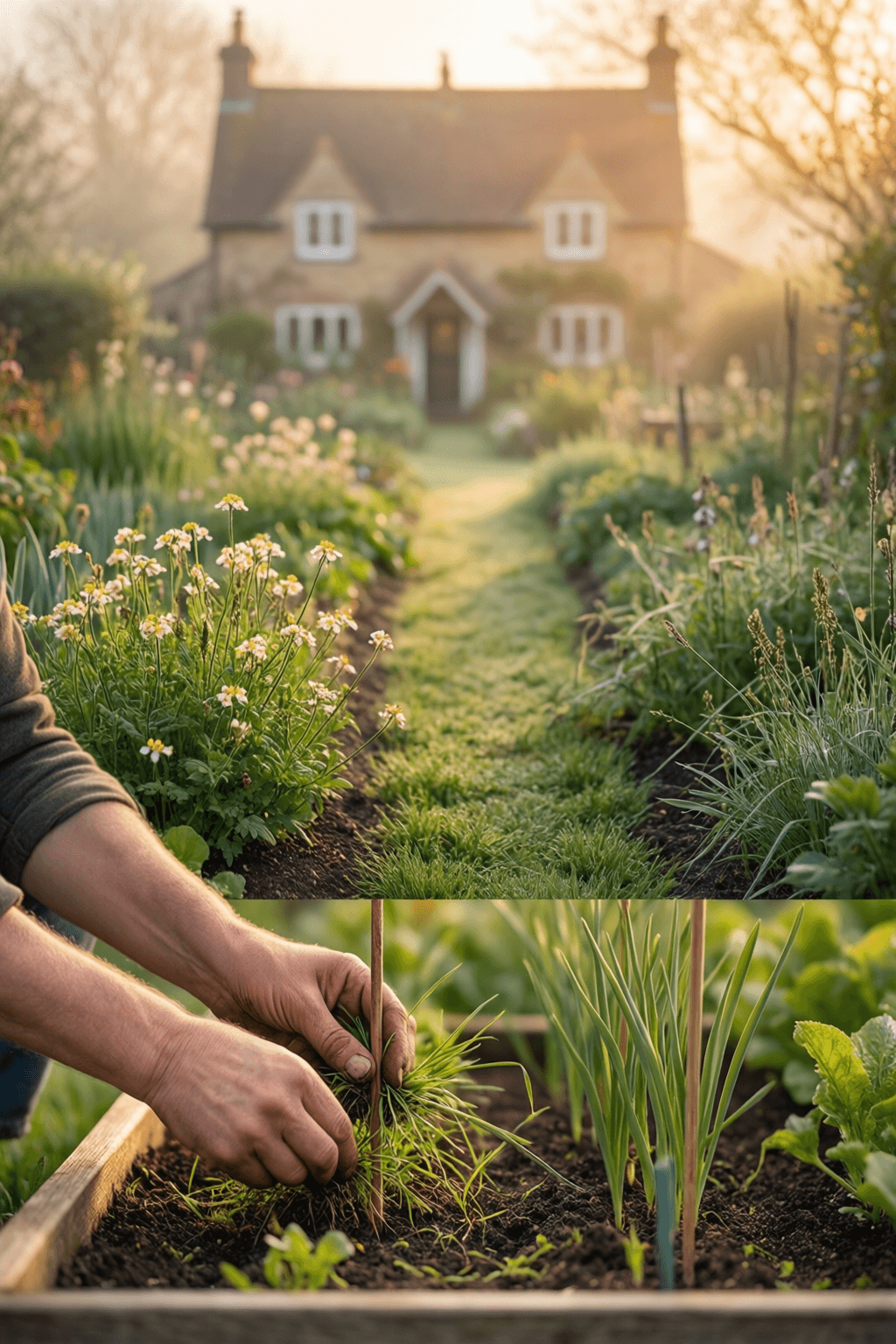
Your life is like a garden. If you're not intentional, your garden will be overrun with weeds and randomness. — Benjamin P. Hardy
—What lingers after this line?
Life as a Cultivated Landscape
At its core, Benjamin P. Hardy’s metaphor turns life into something living, seasonal, and responsive to care. A garden does not become beautiful by accident; likewise, a meaningful life rarely emerges from passivity alone. By comparing human growth to cultivation, Hardy suggests that our habits, values, and choices function like seeds that either flourish or fail depending on what we nurture. From this starting point, the quote also carries a quiet warning. If we do nothing, nature still acts—but not always in ways we would choose. In the same way, neglected routines, vague priorities, and outside pressures can shape a life just as powerfully as deliberate decisions. The image is simple, yet it captures the high cost of drifting.
Why Neglect Invites Disorder
Building on that image, the phrase about weeds and randomness emphasizes that disorder is often the default condition. Gardens naturally attract invasive growth, and lives naturally accumulate distractions, obligations, and unexamined patterns. Without intention, small compromises can multiply until they crowd out what matters most, much like weeds stealing light and nutrients from healthy plants. This idea echoes classic moral philosophy. For example, Aristotle’s Nicomachean Ethics (4th century BC) argues that character is shaped through repeated action, not vague desire. In other words, if we do not consciously practice the virtues we admire, we should not be surprised when lesser habits take root instead. Hardy’s quote updates that ancient insight in vivid, everyday language.
Intentionality as Daily Gardening
Seen this way, intentionality is less a grand declaration than a daily discipline. Gardeners water, prune, weed, and protect; they do not simply wish for abundance. Similarly, a purposeful life is built through repeated acts of attention—choosing what deserves time, setting boundaries, and removing what drains energy. The quote therefore reframes success as ongoing maintenance rather than a single transformative moment. Moreover, this perspective makes personal change feel practical. James Clear’s Atomic Habits (2018) similarly shows how small, consistent behaviors compound over time. Hardy’s garden image complements that lesson: a few minutes of care each day can prevent chaos later. What appears orderly from a distance is usually the result of steady, almost invisible work.
Protecting Space from Random Influence
As the metaphor deepens, the word randomness becomes especially important because it points beyond laziness to external influence. A neglected garden does not choose what grows in it; wind, birds, and weather decide. In human life, the equivalent may be social pressure, endless notifications, inherited assumptions, or other people’s priorities quietly taking over our mental space. Consequently, intentional living also requires discernment about what we allow in. Cal Newport’s Digital Minimalism (2019) argues that attention is too valuable to surrender casually, and Hardy’s image reinforces that point beautifully. If we do not decide what belongs in our lives, competing forces will decide for us. The garden metaphor thus becomes a defense of agency.
Growth Requires Pruning, Not Just Planting
However, the quote is not only about adding better things; it is equally about removing what should not remain. Skilled gardeners know that healthy growth often depends on pruning dead branches, thinning overcrowded beds, and pulling weeds before they spread. In life, this may mean ending draining commitments, questioning old identities, or letting go of goals that no longer align with one’s values. This harder side of intention appears in many traditions. In the Gospel of John 15:2, for instance, the image of pruning is used to describe growth through removal rather than accumulation. Hardy’s metaphor works in the same way: flourishing is not simply a matter of more effort, but of wiser selection. A well-lived life is edited as much as it is expanded.
A Hopeful Vision of Deliberate Living
Ultimately, the quote is hopeful because gardens can be restored. Even if weeds have spread, careful attention can reclaim the soil and create new order. That makes Hardy’s message less an accusation than an invitation: examine what is growing, decide what belongs, and begin cultivating the life you actually want. Finally, the lasting power of the metaphor lies in its realism. No garden remains perfect forever, and no life stays meaningful without renewal. Yet that is precisely the point—intentional living is not a one-time achievement but a rhythm of care. By returning again and again to what matters, we gradually turn scattered ground into a place of beauty, nourishment, and purpose.
Recommended Reading
As an Amazon Associate, we earn from qualifying purchases.
One-minute reflection
What's one small action this suggests?
Related Quotes
6 selectedThe most important, difficult, and rewarding thing to work on is yourself. — Sven Schnieders
Sven Schnieders
At its heart, Sven Schnieders’ statement argues that self-development is the most valuable project a person can undertake. Unlike external goals—career success, status, or possessions—the work done on one’s character, ha...
Read full interpretation →Consistency is the sum that equals what we become. — Henri Matisse
Henri Matisse
At its core, Matisse’s remark suggests that identity is not formed in a single dramatic moment but accumulated through repeated actions. What we do regularly—how we think, practice, respond, and persist—gradually adds up...
Read full interpretation →If you get the inside right, the outside will fall into place. — Eckhart Tolle
Eckhart Tolle
At its heart, Eckhart Tolle’s statement suggests that external life often reflects internal condition. If the mind is conflicted, reactive, or fearful, the world can appear equally chaotic; conversely, when one cultivate...
Read full interpretation →What progress have I made? I have begun to be a friend to myself. — Seneca
Seneca
At first glance, Seneca’s line shifts the idea of progress away from status, wealth, or public praise and toward an inner achievement. To say, “I have begun to be a friend to myself,” suggests that real development start...
Read full interpretation →Quietly, I am becoming the woman I was always meant to be. — Mitsuye Yamada
Mitsuye Yamada
Mitsuye Yamada’s line begins not with spectacle, but with stillness. The word “quietly” suggests that the deepest changes in a life often happen away from applause, in private acts of courage, reflection, and endurance.
Read full interpretation →Learning is not a sprint toward an end goal; it is a life-long rhythm of shedding what no longer serves you to make room for what does. — Pema Chödrön
Pema Chödrön
At first glance, Pema Chödrön’s reflection challenges one of the most common assumptions about education: that learning is a race with a clear endpoint. Degrees, promotions, and certifications often tempt us to think of...
Read full interpretation →More From Author
More from Benjamin P. Hardy →