
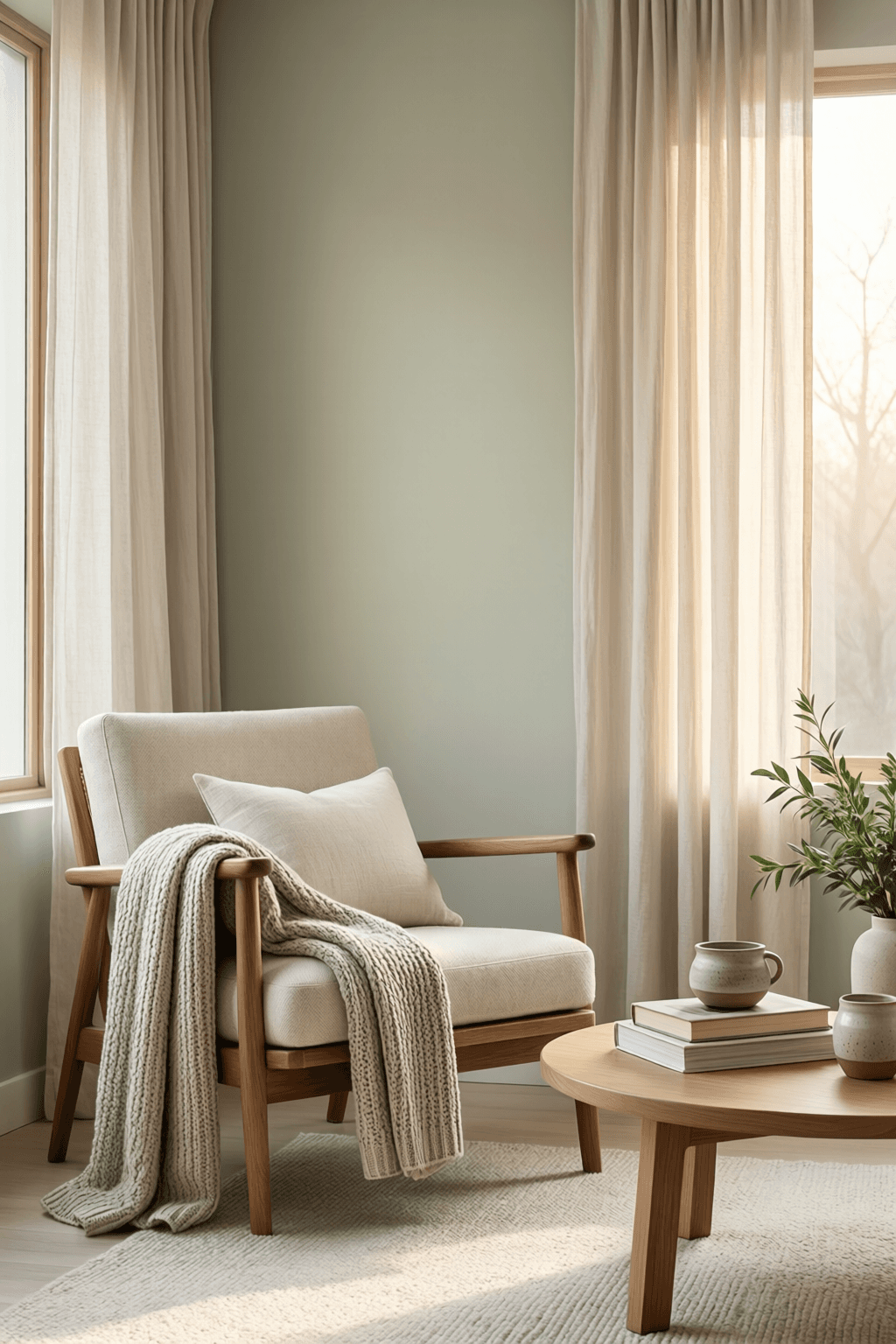
Your home should reflect your values and what fills your heart and soul—not just what looks nice on a screen. — Beth Maricic
—What lingers after this line?
Beyond Surface-Level Beauty
Beth Maricic’s quote begins by challenging a familiar modern temptation: decorating for appearance alone. In an age shaped by curated feeds and polished interiors, it is easy to mistake visual approval for genuine comfort. Yet her words gently redirect attention from what merely photographs well to what actually nourishes daily life. In this sense, a home is not a showroom but a lived-in expression of identity. What matters most is not whether a room matches a passing trend, but whether it supports the people who inhabit it. Thus, the quote invites us to ask a deeper question: not “Does this look impressive?” but “Does this feel true?”
Values Made Visible
From there, the idea grows richer: our spaces quietly reveal our priorities. A home filled with books, handmade objects, prayer corners, musical instruments, or family photographs tells a story about what its residents cherish. William Morris’s nineteenth-century design principle—“Have nothing in your houses that you do not know to be useful, or believe to be beautiful”—echoes this union of meaning and form. Consequently, decorating becomes less about performance and more about translation. Values such as hospitality, simplicity, creativity, faith, or closeness to nature can all take physical shape in the home. What fills the heart, Maricic suggests, should also shape the rooms where life unfolds.
The Emotional Atmosphere of Home
Just as important, the quote points beyond objects to atmosphere. A home reflects the soul not only through furniture and color, but through feeling: warmth, ease, welcome, and memory. Gaston Bachelard’s The Poetics of Space (1958) explores this beautifully, arguing that homes become containers for intimacy, imagination, and emotional life rather than mere structures. As a result, a modest room can feel more meaningful than a perfectly styled one if it holds tenderness and belonging. A worn armchair where stories are read, a kitchen table marked by years of shared meals, or a lamp left on for someone returning late can embody more beauty than any carefully staged image.
Resisting the Pull of the Screen
At the heart of Maricic’s statement is a subtle resistance to digital comparison. Screens train us to consume homes as images, flattening them into trends, palettes, and aspirational snapshots. However, real homes must answer to real needs: children playing on the floor, elders needing comfort, pets finding corners, friends lingering after dinner. Therefore, what succeeds online may fail in lived experience. A stark minimalist room may earn admiration on social media but feel cold to a family that thrives on color and collected memories. Maricic’s insight restores freedom, reminding us that the truest standard for a home is not public approval but private resonance.
Designing from the Inside Out
Once this shift takes hold, homemaking becomes an inward practice before it becomes a visual one. Instead of beginning with trends, one begins with questions: What brings peace here? What habits do we want to encourage? What objects carry real memory or purpose? In that way, the home is designed from the inside out, with emotional and moral clarity guiding aesthetic choices. This approach often produces spaces that feel more grounded and lasting. Much like the Arts and Crafts movement emphasized craftsmanship and authenticity in response to industrial sameness, Maricic’s quote suggests that beauty becomes stronger when it grows from conviction rather than imitation.
A Living Portrait of the Self
Ultimately, the quote frames home as a living portrait of the people within it. Because lives evolve, homes will evolve too, gathering layers of experience, loss, celebration, and renewal. That is precisely what makes them meaningful: they are not static compositions but ongoing records of affection and belief. In the end, Maricic offers a quiet but liberating standard. A good home does not need to impress the screen; it needs to shelter the spirit. When a space reflects one’s values and what fills the heart and soul, it becomes more than attractive—it becomes deeply, unmistakably alive.
Recommended Reading
As an Amazon Associate, we earn from qualifying purchases.
One-minute reflection
Why might this line matter today, not tomorrow?
Related Quotes
6 selectedI look at the artistic process as like experiencing the world, channeling it through your personality and sending it back out there. — David Sanborn
David Sanborn
At its core, David Sanborn’s quote presents art not as isolated invention but as an ongoing exchange between the self and the world. The artist first absorbs life—its sounds, tensions, beauty, and disorder—and then trans...
Read full interpretation →The best rooms have something to say about the people who live in them. — David Hicks
David Hicks
David Hicks’s remark begins with a simple but powerful idea: a room is never merely a container for furniture. Instead, the most memorable interiors communicate something intimate about the people who inhabit them—their...
Read full interpretation →Your life is an expression of your mind; strive to make it beautiful. — Gabrielle Roth
Gabrielle Roth
This quote suggests that our thoughts, beliefs, and mindset shape the way we experience life. A positive and creative mind can lead to a more fulfilling and beautiful life.
Read full interpretation →Your home should be a sanctuary that nurtures your soul, ignites your creativity, and inspires you to live your best life. — Nate Berkus
Nate Berkus
At first glance, Nate Berkus’s quote elevates the idea of home beyond walls, furniture, and utility. He frames it instead as a sanctuary—a place that actively restores the spirit rather than merely protecting the body.
Read full interpretation →A home should be a place where the soul feels at ease, not a showroom for someone else's expectations. — Kelly Wearstler
Kelly Wearstler
Kelly Wearstler’s quote begins by shifting the meaning of home away from performance and toward feeling. A home, in this view, is not primarily a stage for impressing visitors but a sanctuary where the inner self can fin...
Read full interpretation →Create a life that feels good on the inside, not just one that looks good on the outside. — Unknown
Unknown
The quote emphasizes the importance of cultivating a life that brings internal happiness and satisfaction, rather than solely focusing on external appearances and material success.
Read full interpretation →More From Author
More from Beth Maricic →