
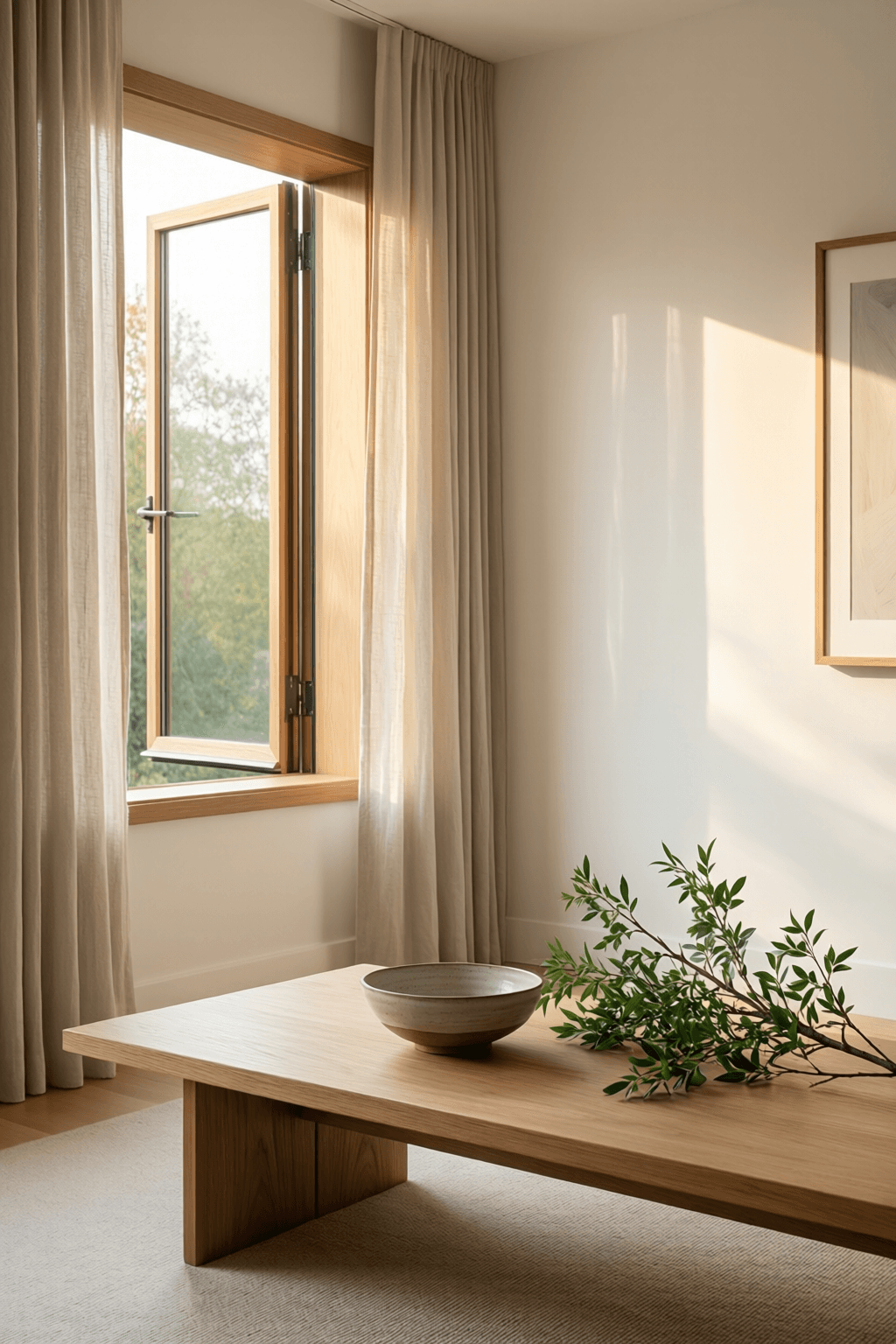
When you clear clutter—physical, emotional, mental, or spiritual—it is astounding what will flow into that space that will enrich you. — Peter Walsh
—What lingers after this line?
The Core Idea of Making Room
At its heart, Peter Walsh’s quote suggests that emptiness is not a loss but an invitation. When clutter is removed, whether from a room or from the mind, space stops being a void and becomes a kind of threshold. What enters next may be peace, clarity, energy, or new purpose—things that often cannot take root in overcrowded conditions. In this way, Walsh reframes decluttering as an act of renewal rather than mere organization. The emphasis is not simply on what we discard, but on what becomes possible afterward. By clearing away what is stale or excessive, we begin to notice how life naturally fills open spaces with growth.
Physical Order and Daily Relief
Most immediately, the quote speaks to physical clutter, because our surroundings shape our attention more than we realize. A crowded desk, an overstuffed closet, or a chaotic room can quietly drain energy each day. By contrast, Marie Kondo’s The Life-Changing Magic of Tidying Up (2011) popularized the idea that physical order can create emotional lightness, showing how external simplicity often supports internal calm. From there, the deeper point emerges: clearing objects is rarely just about objects. A clean space can restore ease to ordinary routines and make beauty visible again. Once the visual noise fades, gratitude, focus, and even creativity often begin to flow back in.
Emotional Clutter and Unreleased Weight
Yet Walsh broadens the idea beyond possessions, pointing toward emotional clutter as well. Old resentments, unresolved grief, guilt, and habitual self-criticism can occupy inner space just as completely as stacks of unused belongings occupy a room. Because these burdens often become familiar, people may not realize how much of their energy is spent carrying them. Consequently, emotional clearing can feel both difficult and liberating. Practices such as journaling, therapy, or honest conversation help release what no longer serves. As that inner congestion eases, qualities like compassion, resilience, and emotional freedom can enter more fully, enriching life in ways that material tidiness alone cannot.
Mental Noise and the Return of Clarity
Closely related to emotional clutter is mental clutter: the endless loops of worry, distraction, and unfinished thought that crowd attention. Modern life encourages this overload, from constant notifications to the pressure of multitasking. In such conditions, the mind becomes full but not fruitful, active but not clear. Therefore, clearing mental space is less about stopping thought altogether than about recovering discernment. Mindfulness research, including Jon Kabat-Zinn’s work in Full Catastrophe Living (1990), has long emphasized that deliberate attention can reduce inner chaos and increase presence. When the noise softens, insight, concentration, and a steadier sense of self have room to emerge.
Spiritual Space and Quiet Receptivity
Walsh also includes spiritual clutter, a phrase that suggests the soul can become crowded by false urgency, shallow striving, or disconnection from meaning. Here, clutter is not necessarily sin or failure; often it is simply too much busyness to hear what matters. Religious and contemplative traditions have long treated silence and simplicity as pathways to renewal—Thomas Merton’s New Seeds of Contemplation (1961), for instance, reflects on the inner stillness required for deeper awareness. As a result, spiritual clearing makes receptivity possible. Whether through prayer, meditation, solitude, or time in nature, one begins to sense values that were previously muffled. Into that quiet may flow gratitude, humility, wonder, or a renewed sense of vocation.
Why Enrichment Follows Letting Go
What makes the quote especially hopeful is its insistence that clearing out does not merely subtract; it prepares the ground for enrichment. Nature offers a fitting analogy: a garden choked by weeds cannot easily nourish healthy growth, but once it is cleared, light and water reach the soil again. Human life works in much the same way, as removal often precedes flourishing. Thus, the act of letting go becomes unexpectedly generative. Free time appears when obligations are pruned, deeper relationships grow when emotional barriers fall, and imagination returns when attention is less fragmented. Walsh’s insight is that abundance often arrives not through adding more, but through making space for what truly belongs.
Recommended Reading
As an Amazon Associate, we earn from qualifying purchases.
One-minute reflection
Where does this idea show up in your life right now?
Related Quotes
3 selectedYour empty space will be filled with something new if you clear your mind of the old. — Thich Nhat Hanh
Thich Nhat Hanh
Thich Nhat Hanh’s teaching begins with the insight that our minds often become crowded with worries, regrets, and habitual thought patterns. By consciously choosing to release these burdens, we create an opportunity for...
Read full interpretation →Clutter is not just the stuff on your floor; it's anything that stands between you and the life you want to be living. — Peter Walsh
Peter Walsh
At first glance, Peter Walsh’s quote seems to address physical mess, yet it quickly expands into something much broader. Clutter, in his view, is not merely a pile of objects on the floor; rather, it is any obstacle—mate...
Read full interpretation →The room you inhabit is the shadow of your mind; clear the space, and you clear the clutter within. — Gaston Bachelard
Gaston Bachelard
Bachelard’s line proposes that the room around us is not merely a physical container but a reflection of our inward condition. In that sense, disorder is rarely just scattered objects; instead, it often signals unresolve...
Read full interpretation →More From Author
More from Peter Walsh →