
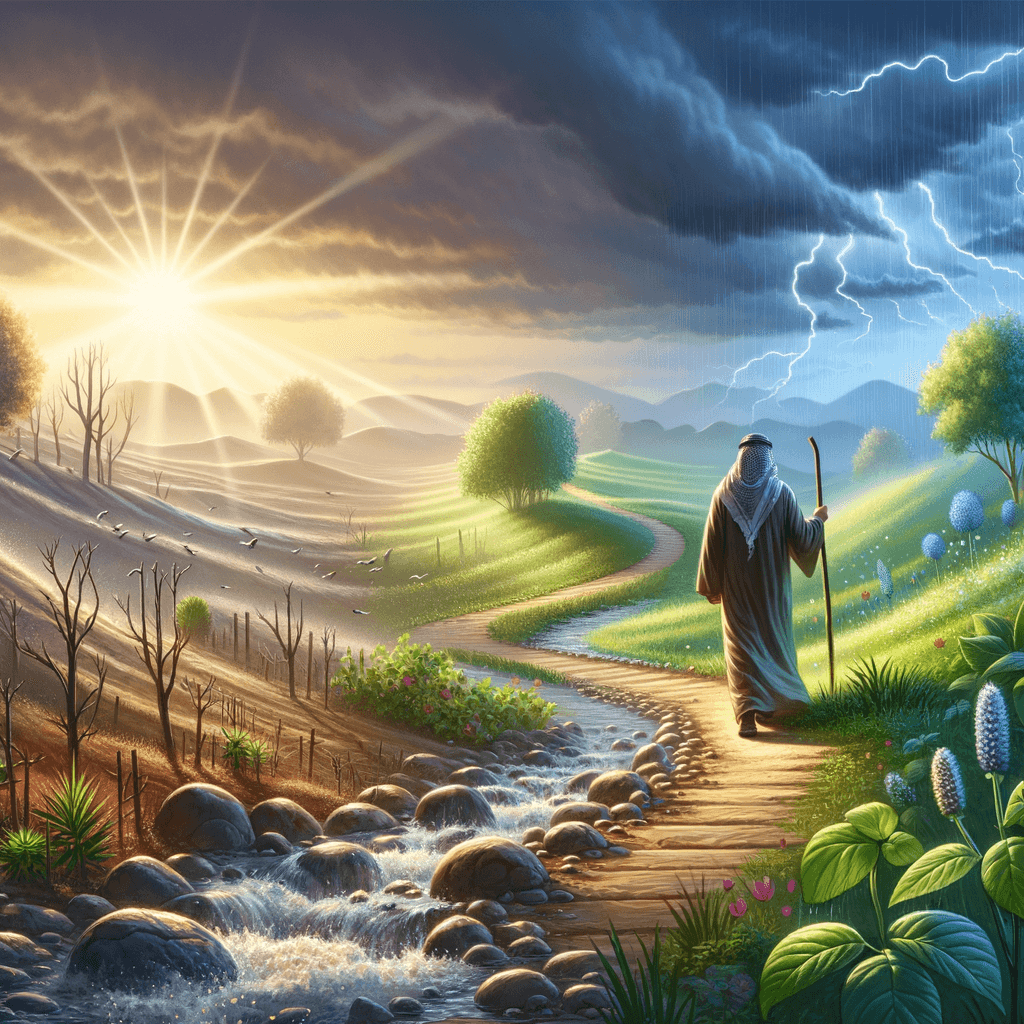
Grow through what you go through. — Unknown (But often cited)
—What lingers after this line?
Personal Growth
This quote encourages embracing challenges as opportunities for personal development. The hardships one experiences can become fuel for growth, making them stronger and wiser.
Resilience and Strength
It suggests that resilience is built through overcoming difficulties. By persevering through tough situations, individuals develop emotional and mental strength.
Transformation Through Adversity
The phrase implies that difficulties have the power to transform people. Just like how pressure creates diamonds, adversity can bring out the best qualities in an individual.
Positive Mindset
The quote promotes adopting a positive mindset. Instead of seeing challenges as setbacks, it advises viewing them as learning moments that drive personal and emotional progress.
Universal Appeal
While the author is unknown, this quote is widely shared because it resonates universally with anyone who has faced challenges. It offers a simple, yet profound outlook on how adversity can be an agent of change.
One-minute reflection
Why might this line matter today, not tomorrow?
Related Quotes
6 selectedOptimist: someone who figures that taking a step backward after taking a step forward is not a disaster, it's more like a cha-cha. — Robert Brault
Robert Brault
Robert Brault’s line begins with a witty redefinition: an optimist is not someone who denies backward motion, but someone who interprets it differently. Instead of treating a setback as proof of failure, the optimist see...
Read full interpretation →The most gifted members of the human species are at their creative best when they cannot have their way, and must compensate for what they miss by realizing and cultivating their capacities. — Bryant H. McGill
Bryant H. McGill
Bryant H. McGill’s observation begins with a striking reversal: gifted people may not reach their highest potential when everything comes easily, but when something blocks their path.
Read full interpretation →A mind grows by staying with difficulty long enough for the experience to change it. — Mary Catherine Bateson
Mary Catherine Bateson
Mary Catherine Bateson’s observation begins with a quiet but demanding truth: the mind does not grow merely by encountering difficulty, but by remaining with it. Challenge becomes transformative only when we resist the u...
Read full interpretation →When you are friends with your storm, you dance, instead of getting blown away. — Michael Bassey Johnson
Michael Bassey Johnson
Michael Bassey Johnson’s line begins with a striking reversal: the storm is not merely an enemy to survive, but a force one can learn to understand. In this sense, the storm may represent grief, fear, conflict, uncertain...
Read full interpretation →Consistency is a superpower. — Ryan Holiday
Ryan Holiday
Ryan Holiday’s line begins with a deceptively simple idea: greatness is rarely built through dramatic gestures. More often, it emerges from repeated actions that seem ordinary in isolation but become extraordinary over t...
Read full interpretation →Just because your light flickers does not mean it is about to go out. — Yohancé Salimu
Yohancé Salimu
At first glance, Yohancé Salimu’s line separates appearance from reality. A flicker suggests instability, fatigue, or interruption, yet it does not automatically signal extinction.
Read full interpretation →More From Author
More from Unknown (But often cited →