
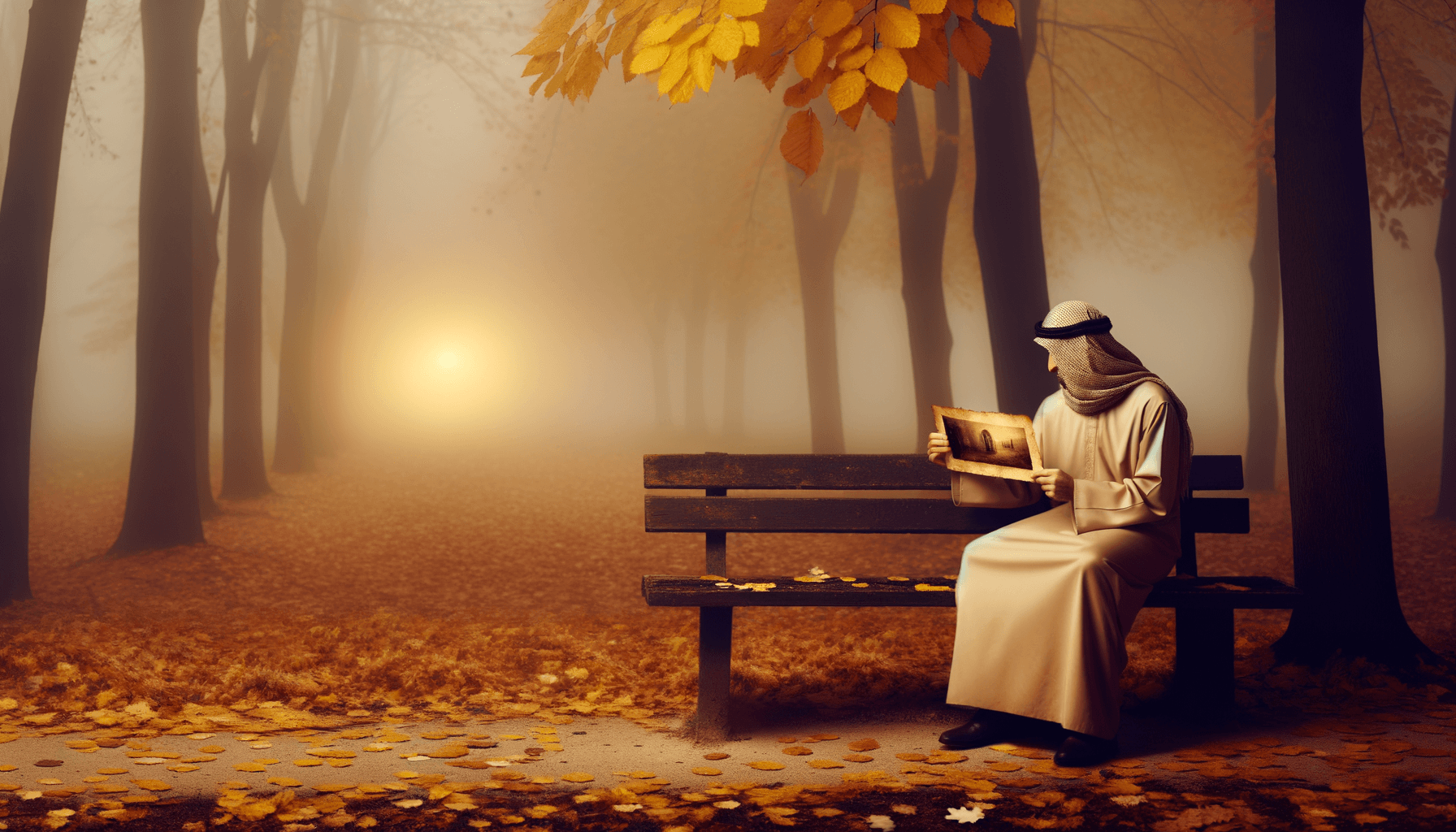
Sometimes it is better to be unhappy than to have nothing at all. — Victor Hugo
—What lingers after this line?
Value of Experience
This quote suggests that experiencing emotions, even negative ones like unhappiness, is preferable to feeling empty or indifferent. Having something to feel, even if it's sorrow, is part of a meaningful life.
Contrast Between Emotions and Emptiness
Hugo highlights the idea that pain and suffering still indicate engagement with life. Total emptiness, on the other hand, represents detachment, which could be even more distressing than sadness.
The Role of Suffering in Growth
Experiencing unhappiness can promote personal growth, wisdom, and depth of character. Challenges and sorrow shape people in ways that pure emptiness cannot.
Philosophical Perspective on Life's Struggles
This statement aligns with an existential viewpoint—engagement with life's struggles is more fulfilling than feeling nothing at all. Even hardships contribute to a richer human experience.
Victor Hugo's Literary Themes
Victor Hugo frequently explored themes of suffering, resilience, and the human condition in his works, such as 'Les Misérables.' His writings suggest that emotions, even painful ones, contribute to the depth and authenticity of life.
One-minute reflection
What's one small action this suggests?
Related Quotes
6 selectedI have learned that to be with those I like is enough. — Walt Whitman
Walt Whitman
Whitman’s line reduces happiness to something disarmingly plain: the presence of beloved company. Rather than chasing wealth, status, or elaborate pleasures, he suggests that being with people one genuinely likes can alr...
Read full interpretation →To love is to recognize that another person is a separate universe, and yet to choose, daily, to walk through it beside them. — Chimamanda Ngozi Adichie
Chimamanda Ngozi Adichie
At its heart, Adichie’s line defines love not as possession but as perception. To love someone is first to grasp that they are irreducibly distinct: a ‘separate universe’ with their own memories, fears, loyalties, and in...
Read full interpretation →The true value of our journey is found in the people who walk beside us, turning simple moments into our most enduring milestones. — Maya Angelou
Maya Angelou
At its heart, this reflection suggests that life is not valued only by destinations reached, but by the companions who share the road. Maya Angelou’s thought reframes success away from solitary achievement and toward rel...
Read full interpretation →Without friends, no one would want to live, even if he had all other goods. — Aristotle
Aristotle
Aristotle’s statement places friendship not at the margins of a good life, but at its very center. Even if someone possessed wealth, status, health, and comfort, he argues, life would still feel lacking without companion...
Read full interpretation →There is no enjoying the possession of anything valuable unless one has someone to share it with. — Seneca
Seneca
Seneca argues that possession alone does not complete human happiness. A valuable thing—whether wealth, knowledge, beauty, or success—remains strangely incomplete when kept in isolation.
Read full interpretation →Perhaps the secret of living well is not in having all the answers but in pursuing unanswerable questions in good company. — Rachel Naomi Remen
Rachel Naomi Remen
Rachel Naomi Remen shifts the idea of a good life away from mastery and certainty. Instead of treating wisdom as the possession of final answers, she suggests that living well may depend on how we travel through mystery.
Read full interpretation →More From Author
More from Victor Hugo →Build bridges with your will, and let hope walk across them. — Victor Hugo
Victor Hugo’s image begins with a practical insistence: the future doesn’t simply arrive; it is constructed. By saying “build bridges with your will,” he treats willpower as a kind of engineering—an intentional effort to...
Read full interpretation →Forge a path with words and work, and let beauty follow in your wake. — Victor Hugo
Victor Hugo’s line, “Forge a path with words and work, and let beauty follow in your wake,” begins by uniting two worlds often held apart: artistic expression and disciplined effort. Instead of treating beauty as somethi...
Read full interpretation →When doubt knocks, invite it to see what you're building — Victor Hugo
Victor Hugo’s image of doubt knocking at the door immediately turns an internal feeling into an external visitor. Rather than picturing doubt as a storm that breaks in, he imagines it as something that politely announces...
Read full interpretation →Hold fast to the idea that small acts of bravery stitch the fabric of a freer tomorrow. — Victor Hugo
Imagine freedom as a fabric: resilient yet always at risk of fraying. Small acts of bravery are the stitches that prevent it from unraveling, and holding fast to this idea keeps our hands steady at the needle.
Read full interpretation →