
To Reach the Stars, You Must Dare to Take the First Step - Fyodor Dostoevsky
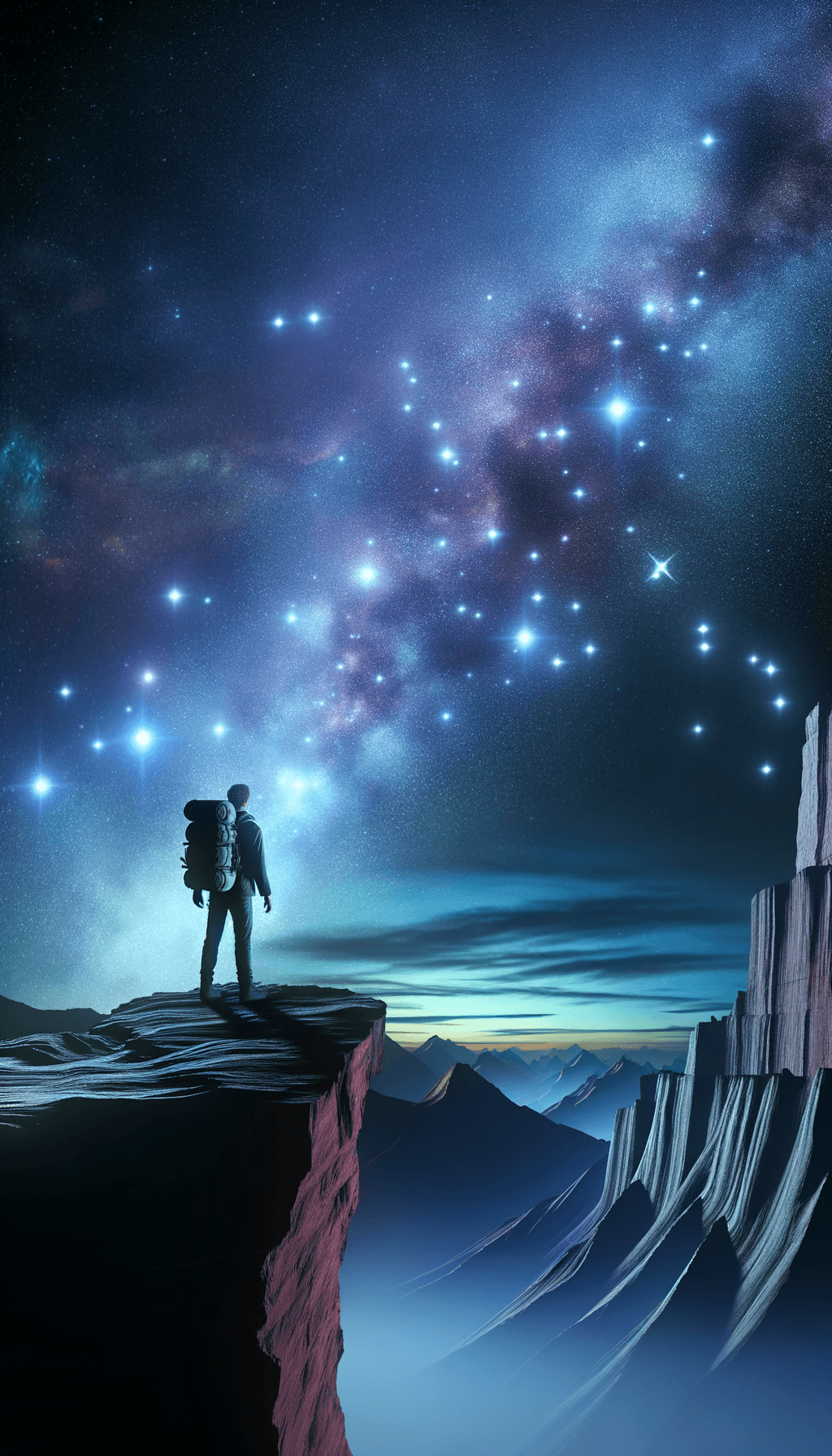
To reach the stars, you must dare to take the first step. — Fyodor Dostoevsky
—What lingers after this line?
Importance of Taking Action
This quote highlights that achieving great success or dreams requires taking the first step. Without action, aspirations remain unfulfilled.
Courage and Ambition
Dostoevsky emphasizes the need for bravery. Many people wish for greatness, but only those who dare to begin the journey can reach their goals.
Overcoming Fear
Fear often holds people back from pursuing their dreams. This quote encourages individuals to push past doubt and take the initial step forward.
Symbolism of the Stars
The stars represent high aspirations, success, and enlightenment. Reaching them symbolizes an extraordinary goal that requires effort and perseverance.
Philosophical Perspective
Dostoevsky’s works often explore human struggles and aspirations. This quote aligns with his belief in personal growth through action and determination.
Recommended Reading
One-minute reflection
What feeling does this quote bring up for you?
Related Quotes
6 selectedCourage is less about fearlessness than training the mind to act with clarity and conviction. — Ranjay Gulati
Ranjay Gulati
Ranjay Gulati’s line begins by overturning a common myth: that courage belongs to people who simply don’t feel afraid. Instead, he frames fear as normal—and even expected—while locating courage in what happens next.
Read full interpretation →Dare to begin where fear says to stop; the first step redraws the map — Paulo Coelho
Paulo Coelho
Paulo Coelho’s line treats fear less as a warning and more as a border we mistakenly accept as permanent. When fear says “stop,” it often isn’t pointing to actual danger; it’s signaling uncertainty, inexperience, or the...
Read full interpretation →If you are not in the arena also getting your ass kicked, I'm not interested in your feedback. — Brené Brown
Brené Brown
Brené Brown’s blunt image of “the arena” draws a sharp line between spectators and participants. Feedback, she implies, carries real weight when it comes from someone who has also accepted the risks of being seen, judged...
Read full interpretation →There is something wonderfully bold and liberating about saying yes to our entire imperfect and messy life. — Tara Brach
Tara Brach
Tara Brach frames acceptance not as resignation but as a daring, almost countercultural act. To say yes to “our entire imperfect and messy life” is to stop bargaining for a cleaner version of reality before we allow ours...
Read full interpretation →Lasting change requires compassion alongside courage, not punishment disguised as self-improvement. — Brené Brown
Brené Brown
Brené Brown’s line challenges the common belief that harshness is the fastest route to transformation. Instead, she argues that durable change is built from two forces working together: the courage to face what must shif...
Read full interpretation →If you hear the dogs, keep going. If you see the torches in the woods, keep going. Don't ever stop. Keep going. — Harriet Tubman
Harriet Tubman
Harriet Tubman’s words come from a world where movement could mean life and stillness could mean capture. The “dogs” and “torches” evoke the tools of slave catchers and patrols who hunted people fleeing bondage, turning...
Read full interpretation →More From Author
More from Fyodor Dostoevsky →If you want to overcome the whole world, overcome yourself. — Fyodor Dostoevsky
Dostoevsky’s line reframes ambition by shifting the arena of struggle from the public world to the private self. Instead of measuring strength by dominance over others, he implies that the most consequential victories ha...
Read full interpretation →You will burn and you will burn out; you will be healed and come back again. — Fyodor Dostoevsky
Dostoevsky’s line treats suffering not as a single dramatic episode but as a recurring rhythm: intensity, collapse, recovery, and return. Instead of promising a smooth ascent toward improvement, he describes a life that...
Read full interpretation →You will burn and you will burn out; you will be healed and come back again. — Fyodor Dostoevsky
Dostoevsky’s line frames suffering as rhythmic rather than final: first the blaze of effort or emotion, then the collapse, then the slow work of recovery, and finally the return. Instead of treating burnout as a personal...
Read full interpretation →You will burn and you will burn out; you will be healed and come back again. — Fyodor Dostoevsky
Dostoevsky’s line frames suffering as rhythmic: first the blaze of intensity, then the inevitability of burnout, and finally the possibility of renewal. Instead of treating exhaustion as a final verdict, he suggests it i...
Read full interpretation →