
Endurance Is a Way of Life - John Muir
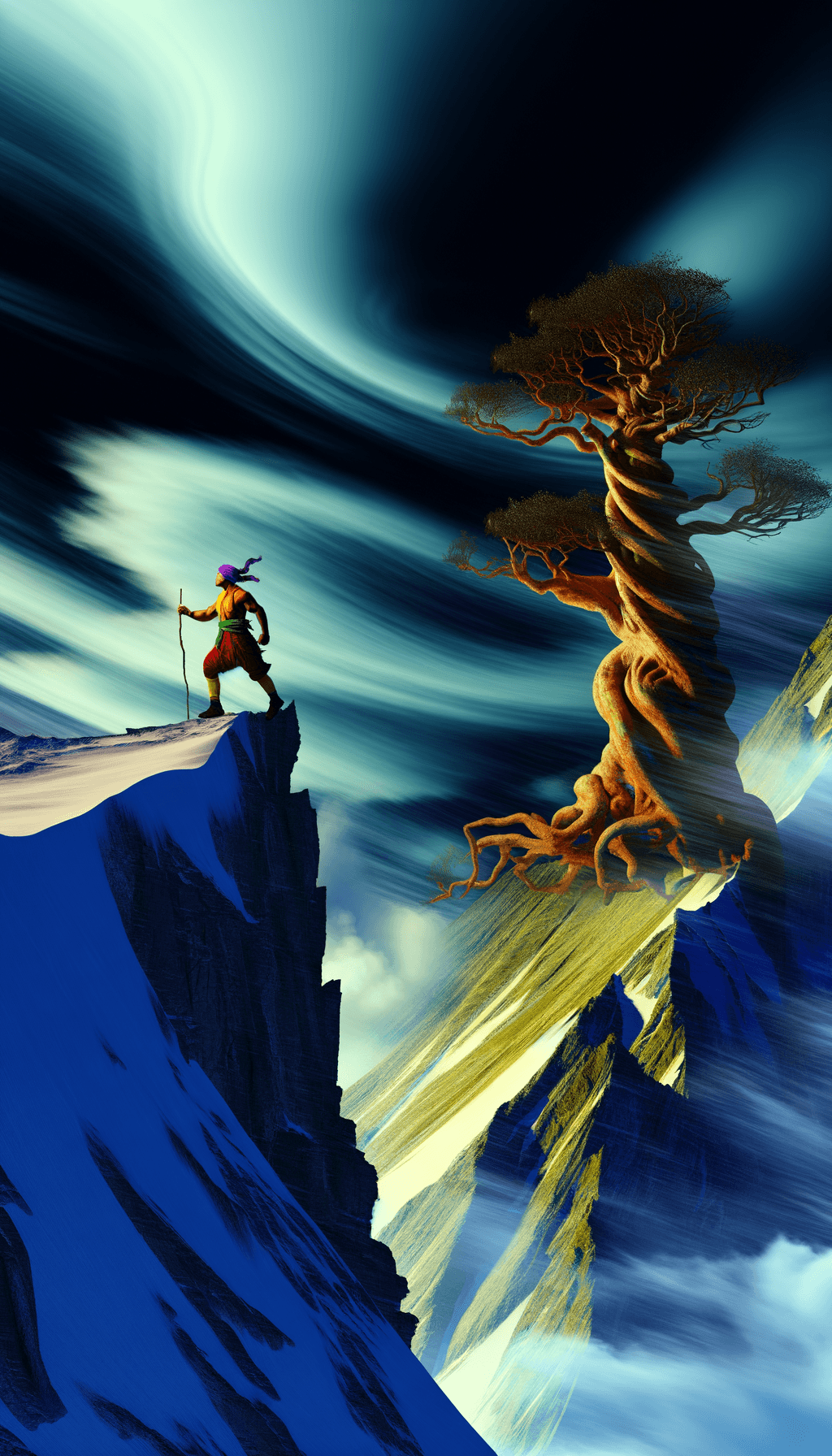
Endurance is a way of life. — John Muir
—What lingers after this line?
Perseverance in Life
This quote highlights the importance of perseverance as a fundamental part of life. It suggests that enduring challenges and hardships is not just an occasional necessity but a constant practice.
Connection to Nature
John Muir, a renowned naturalist, spent much of his life exploring and advocating for nature. The quote may reflect his belief that endurance is crucial not only in human life but also in the natural world, where survival depends on patience and resilience.
Overcoming Obstacles
Endurance helps individuals push through difficulties and setbacks. Muir’s statement encourages a mindset where persistence becomes second nature in facing life's trials.
Philosophical Perspective
This quote can be interpreted as a broader life philosophy, suggesting that a fulfilling life is built upon the ability to endure pain, hardships, and struggles with strength and determination.
Influence of Muir’s Experiences
Muir's extensive travels and environmental efforts required immense physical and mental endurance. His experiences show that perseverance was essential to his achievements and personal growth, reinforcing the message in this quote.
Recommended Reading
As an Amazon Associate, we earn from qualifying purchases.
One-minute reflection
Where does this idea show up in your life right now?
Related Quotes
6 selectedKeep your compass fixed on purpose; storms only reshape the coastline. — John Muir
John Muir
John Muir’s image begins with a tool meant for orientation: the compass. By urging us to keep it “fixed on purpose,” he implies that purpose is not a mood or a passing preference but a stable reference point that helps u...
Read full interpretation →Instead of trying to return to how things were, build a flexible structure that can handle constant change. — Favor Mental Health
Favor Mental Health
The quote begins by challenging a common instinct: when life is disrupted, we often try to restore an earlier version of stability. Yet “how things were” is usually a moving target, shaped by circumstances that may not r...
Read full interpretation →Quietly cracking does not have to be your permanent state. — Dr. Sarah McQuaid
Dr. Sarah McQuaid
Dr. Sarah McQuaid’s line begins by giving language to a common but often invisible experience: feeling like you’re “quietly cracking.” It suggests a slow, internal strain—functioning on the outside while something splint...
Read full interpretation →The oak fought the wind and was broken, the willow bent when it must and survived. — Robert Jordan
Robert Jordan
At its heart, Robert Jordan’s line sets up a vivid contrast between two kinds of strength. The oak appears powerful because it resists, standing firm against the wind, yet that very stubbornness becomes its weakness.
Read full interpretation →Some years ask you to survive before they ask you to dream. — Maggie Smith
Maggie Smith.
At its core, Maggie Smith’s line recognizes a painful truth: not every season of life is built for possibility. Some years demand endurance first, asking us to pay attention to basic emotional, financial, or physical sur...
Read full interpretation →Plants and animals don't fight the winter; they don't pretend it's not happening. They prepare. They adapt. They perform extraordinary acts of metamorphosis to get through. — Katherine May
Katherine May
Katherine May frames winter as something the living world neither battles nor denies. Plants and animals don’t waste energy arguing with the season’s arrival; they accept its terms and respond accordingly.
Read full interpretation →More From Author
More from John Muir →Keep your compass fixed on purpose; storms only reshape the coastline. — John Muir
John Muir’s image begins with a tool meant for orientation: the compass. By urging us to keep it “fixed on purpose,” he implies that purpose is not a mood or a passing preference but a stable reference point that helps u...
Read full interpretation →Climb toward what frightens you; the view will widen your courage. — John Muir
Muir’s aphorism reshapes fear from a wall into a slope. To “climb toward what frightens you” is to accept fear as gradient rather than gate, trusting that elevation alters perception.
Read full interpretation →Stand steady in small acts; they carve the canyon of your legacy. — John Muir
The metaphor is geological before it is moral: water, patient and persistent, sculpts stone. Over millions of years, steady flow incises bedrock, a process that the Grand Canyon dramatizes across 5–6 million years of dow...
Read full interpretation →The mountains are calling and I must go. - John Muir
This quote personifies mountains as having a voice that calls out to the individual, suggesting a magnetic or spiritual pull that nature exerts on those who appreciate it.
Read full interpretation →