
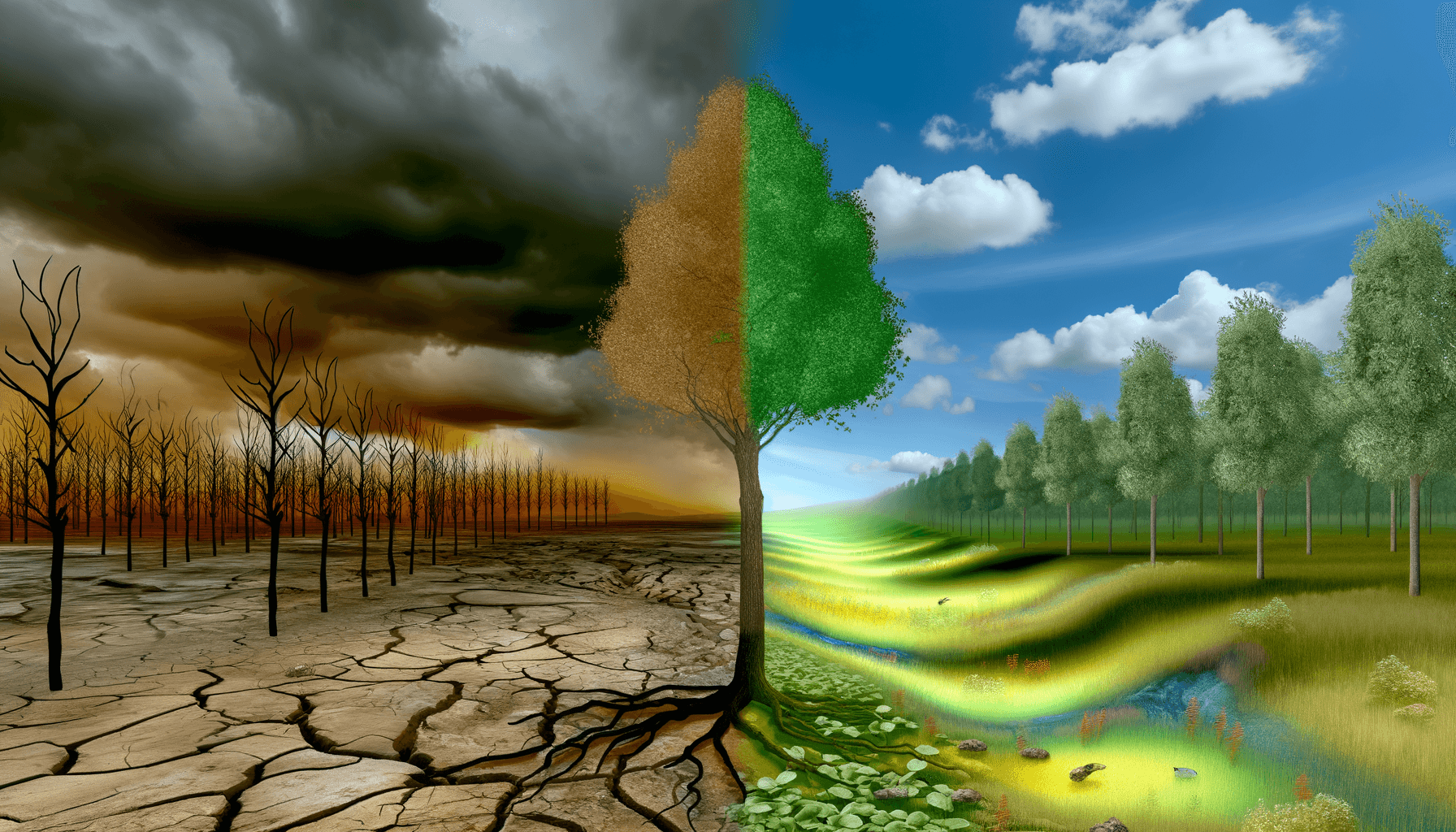
Life's greatest lessons are learned at the worst times. — Anonymous (arising from a compilation of global philosophies)
—What lingers after this line?
Growth Through Adversity
This quote captures the idea that individuals often gain the most wisdom and personal development during moments of hardship. Difficult experiences challenge people to reflect, adapt, and grow stronger.
Value of Struggle
Hardships force people to confront uncomfortable truths about themselves and the world, making adversity a powerful catalyst for inner transformation and resilience.
Perspective and Clarity
During tough times, trivial matters often fall away, allowing one to see what truly matters in life, such as relationships, purpose, and character.
Universality of the Concept
This idea echoes global philosophical traditions—from Stoicism in the West to Buddhist teachings in the East—that emphasize the importance of suffering in achieving wisdom, enlightenment, or inner peace.
Anonymous Attribution and Cultural Influence
Though the quote is labeled as anonymous, its wisdom resonates across cultures and time periods, reflecting a universal human truth acknowledged by both ancient thinkers and modern voices.
One-minute reflection
What does this quote ask you to notice today?
Related Quotes
6 selectedLearning to love yourself is like learning to walk – essential, life-changing, and the only way to stand tall. — Vironika Tugaleva
Vironika Tugaleva
Vironika Tugaleva’s comparison begins with a simple but powerful truth: self-love is not a luxury, but a basic human necessity. Just as walking allows a child to move through the world with growing independence, learning...
Read full interpretation →The most gifted members of the human species are at their creative best when they cannot have their way, and must compensate for what they miss by realizing and cultivating their capacities. — Bryant H. McGill
Bryant H. McGill
Bryant H. McGill’s observation begins with a striking reversal: gifted people may not reach their highest potential when everything comes easily, but when something blocks their path.
Read full interpretation →A mind grows by staying with difficulty long enough for the experience to change it. — Mary Catherine Bateson
Mary Catherine Bateson
Mary Catherine Bateson’s observation begins with a quiet but demanding truth: the mind does not grow merely by encountering difficulty, but by remaining with it. Challenge becomes transformative only when we resist the u...
Read full interpretation →Consistency is a superpower. — Ryan Holiday
Ryan Holiday
Ryan Holiday’s line begins with a deceptively simple idea: greatness is rarely built through dramatic gestures. More often, it emerges from repeated actions that seem ordinary in isolation but become extraordinary over t...
Read full interpretation →Confidence is silent. Insecurities are loud. — Unknown (Wait—skip/replace with: True nobility is being superior to your former self. — Ernest Hemingway)
Ernest Hemingway
At its core, Hemingway’s line redefines nobility as an inward achievement rather than a social rank. Instead of measuring worth by wealth, pedigree, or dominance over others, it points to a quieter standard: becoming bet...
Read full interpretation →You are under no obligation to be consistent with the person you were yesterday. — James McCrae
James McCrae
At its core, James McCrae’s line challenges the quiet pressure to remain legible to others. Many people feel bound to opinions, habits, or identities simply because they once claimed them, as though consistency were a mo...
Read full interpretation →