
To Realize the Value of a Moment, Look Around You When You Lose It – Paulo Coelho
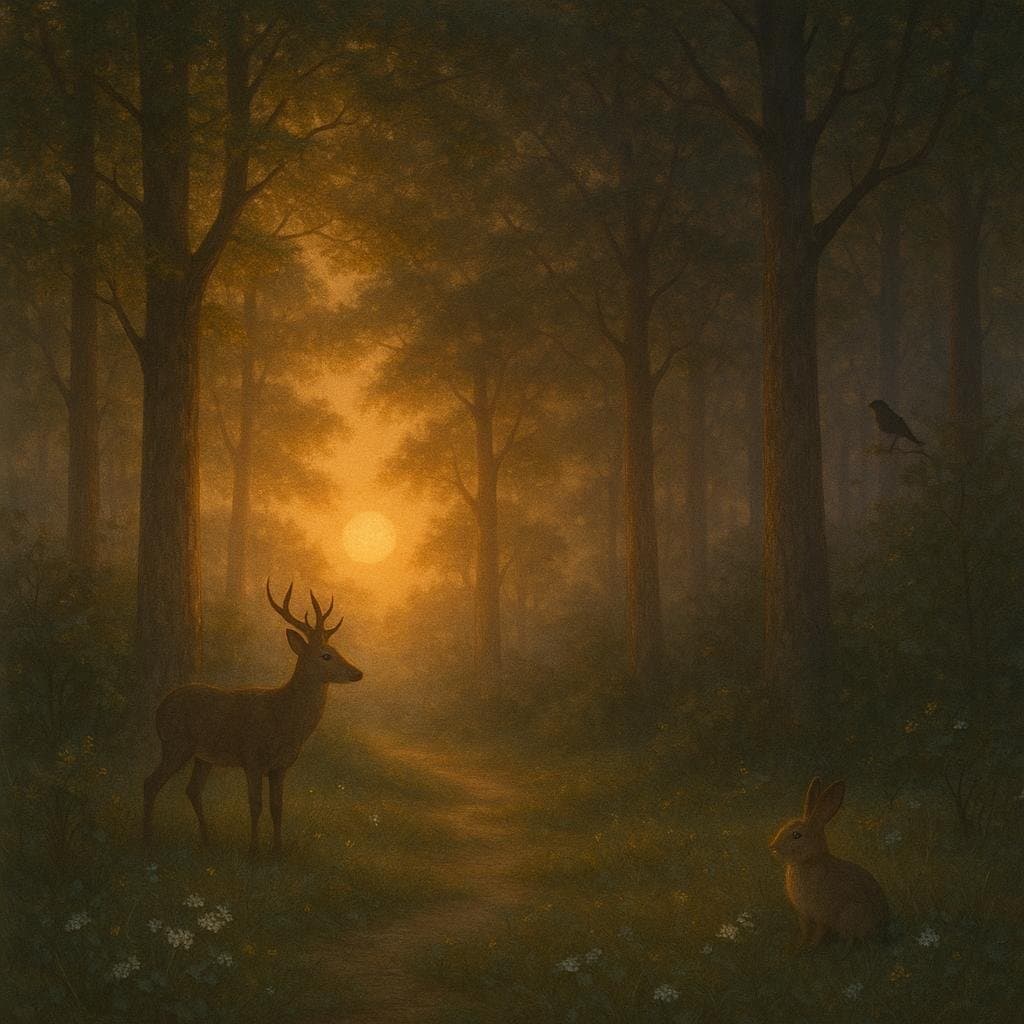
To realize the value of a moment, look around you when you lose it. — Paulo Coelho
—What lingers after this line?
Appreciation of the Present
The quote highlights the importance of cherishing the present instead of taking it for granted.
Awareness Through Loss
It suggests that people often truly understand the value of a moment only after it has passed.
Reflection on Experiences
Losing a moment encourages reflection on what was meaningful and significant about it.
Mindfulness
The quote promotes mindfulness and being attentive to current experiences and surroundings.
Universal Human Tendency
It acknowledges a common human tendency to overlook the importance of now until it becomes a memory.
Recommended Reading
As an Amazon Associate, we earn from qualifying purchases.
One-minute reflection
What feeling does this quote bring up for you?
Related Quotes
6 selectedSometimes you will never know the value of a moment, until it becomes a memory. — Dr. Seuss
Dr. Seuss
This quote highlights the idea that the true importance of certain moments in our lives is often only understood in hindsight. When we look back, we can better appreciate their significance.
Read full interpretation →Don’t just climb the mountain, find the strength to enjoy the view. — Paulo Coelho
Paulo Coelho
Paulo Coelho’s words emphasize more than the struggle required to reach our goals; he invites us to reflect on the importance of pausing to appreciate what we accomplish. The mountain becomes a metaphor for life’s challe...
Read full interpretation →Wisdom is not something we have to strive to acquire. Rather, it arises naturally as we slow down and notice what is already there. — Haemin Sunim
Haemin Sunim
Haemin Sunim’s line quietly overturns a common assumption: that wisdom is a prize earned through relentless effort, accumulation, and self-improvement. Instead, he frames wisdom as something closer to a byproduct of pres...
Read full interpretation →You are not your patterns; you are the one who is witnessing them. — Gabor Maté
Gabor Maté
Gabor Maté’s line draws a clean boundary between who you are and what you repeatedly do. “Patterns” can mean coping habits, emotional reactions, addictive loops, or familiar roles we fall into under stress; they may be f...
Read full interpretation →Longing for a thing is a way of wasting it. — Zora Neale Hurston
Zora Neale Hurston
Zora Neale Hurston’s line draws a sharp boundary between appreciation and obsession. On the surface, longing seems like evidence of valuing something; yet she suggests it can also be a form of misuse, because the mind tr...
Read full interpretation →You walk in the rain and you feel the rain, but, importantly, you are not the rain. — Matt Haig
Matt Haig
Matt Haig’s line begins with an ordinary scene—walking in the rain—then pivots into a psychological distinction: sensation is real, but identity is separate. You can be soaked, cold, and uncomfortable, and none of that c...
Read full interpretation →More From Author
More from Paulo Coelho →Your 'yes' has no value until you learn to say 'no'. — Paulo Coelho
Paulo Coelho’s line hinges on a simple contrast: a “yes” only carries weight when an alternative is genuinely available. If you can’t—or won’t—say “no,” agreement becomes automatic rather than chosen, and it starts to re...
Read full interpretation →Dare to begin where fear says to stop; the first step redraws the map — Paulo Coelho
Paulo Coelho’s line treats fear less as a warning and more as a border we mistakenly accept as permanent. When fear says “stop,” it often isn’t pointing to actual danger; it’s signaling uncertainty, inexperience, or the...
Read full interpretation →Maybe the journey isn't so much about becoming anything. Maybe it's about un-becoming everything that isn't really you. — Paulo Coelho
Paulo Coelho’s line reframes personal growth as an act of subtraction. Instead of imagining the self as a project that must be upgraded with new traits, titles, or achievements, he suggests the deeper task is removing wh...
Read full interpretation →Freedom is not the absence of commitments, but the ability to choose what is best for me. — Paulo Coelho
Paulo Coelho’s line begins by overturning a common assumption: that freedom means having nothing tying you down. Instead, he frames freedom as a capacity—an inner authority to select what aligns with your well-being.
Read full interpretation →