
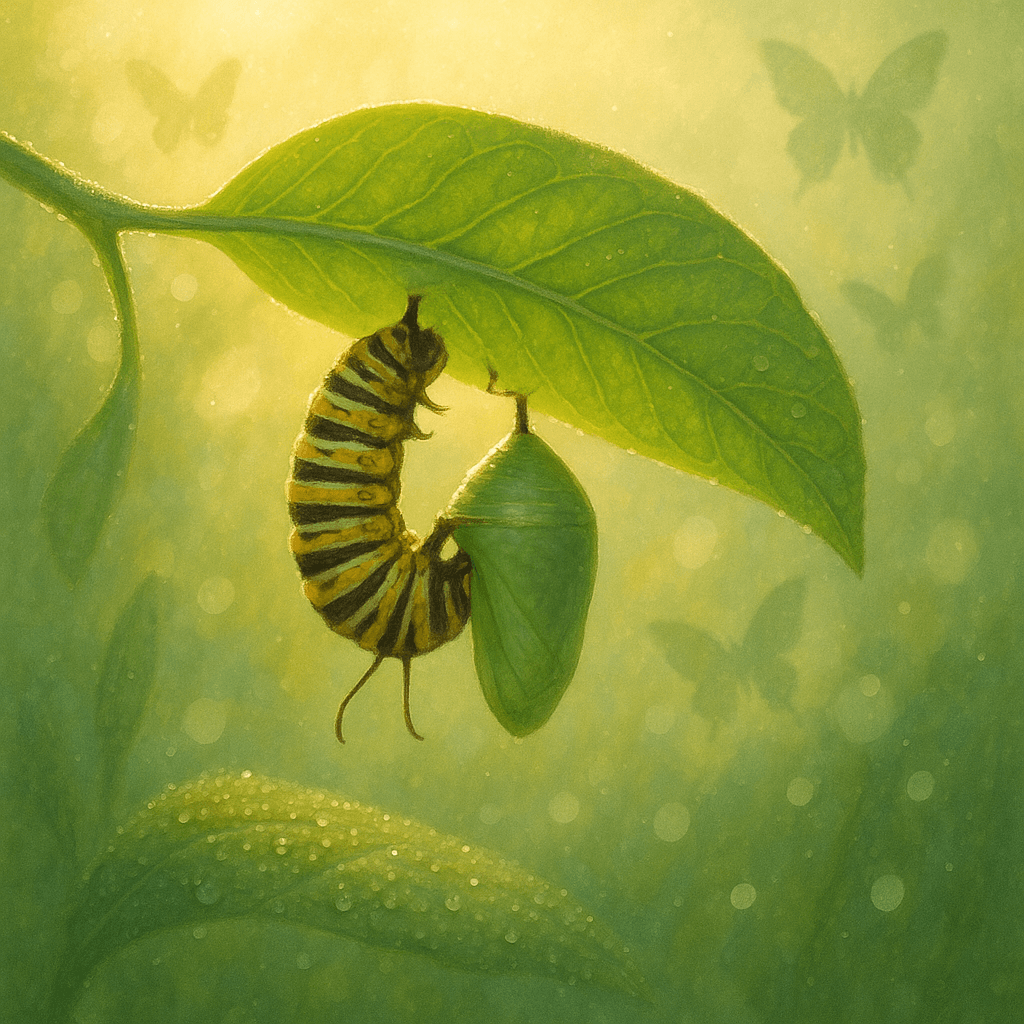
You don’t have to be brave every day, just one day at a time. — Unknown, often attributed to Indigenous wisdom
—What lingers after this line?
The Power of Incremental Courage
This quote emphasizes that bravery is not a constant requirement but rather something we can summon in manageable, day-by-day increments. Rather than demanding relentless fearlessness, it recognizes the realistic ebb and flow of our emotional reserves. By inviting us to focus on being brave for just one day—or even a single moment—the wisdom offers comfort and practicality in facing life's challenges.
Indigenous Approaches to Resilience
Rooted in teachings often attributed to Indigenous cultures, this perspective aligns with the holistic view of well-being found in many Native traditions. For instance, the Lakota and other Indigenous peoples emphasize living in the present and respecting natural cycles. By taking each day as it comes, individuals maintain balance, drawing strength from community and tradition during difficult times (Deloria, *God Is Red*, 1973).
Historical Lessons in Persistence
Throughout history, moments of courage have often emerged from individuals facing daunting odds with a day-at-a-time mindset. Consider the quiet perseverance of Harriet Tubman, whose efforts on the Underground Railroad involved repeated acts of bravery, each decision taken as it came. This approach illustrates how great accomplishments are often achieved not through grand, unwavering valor but through recurring, daily acts of resolve.
Modern Psychological Insights
In contemporary psychology, this philosophy resonates with mindfulness-based strategies for managing anxiety and adversity. Therapists often encourage clients to 'stay present' and tackle challenges piecemeal, which both reduces overwhelm and fosters resilience. Studies show that breaking formidable tasks into smaller, more approachable steps improves coping and self-efficacy (Kabat-Zinn, *Wherever You Go, There You Are*, 1994).
Honoring Our Human Vulnerability
Ultimately, the message affirms our humanity: everyone faces moments of self-doubt or fear, and it is both acceptable and wise to acknowledge them. Rather than striving for perpetual courage—which can be exhausting—we grant ourselves permission to ebb and flow with our feelings. Through gentle perseverance, we honor not just our moments of bravery, but also our periods of vulnerability and need for rest.
Recommended Reading
As an Amazon Associate, we earn from qualifying purchases.
One-minute reflection
Why might this line matter today, not tomorrow?
Related Quotes
6 selectedSelf-compassion is a stronger predictor of well-being than self-esteem, and significantly reduces burnout and anxiety. — Kristin Neff
Kristin Neff
Kristin Neff’s statement reframes a familiar cultural ideal. For decades, self-esteem was treated as the gold standard of mental health, encouraging people to feel good about themselves by emphasizing strengths, achievem...
Read full interpretation →Talk to yourself like you would to someone you love. — Brené Brown
Brené Brown
Brené Brown’s line invites a simple but radical shift: to treat our inner voice with the same tenderness we readily offer people we cherish. At first glance, this may sound sentimental, yet it directly challenges the har...
Read full interpretation →Sometimes the bravest thing you can do is rest, release, and allow yourself to not be okay for a moment. — Prayer Pure
Prayer Pure
At first glance, bravery is often associated with endurance, action, and the refusal to slow down. Yet this quote gently overturns that expectation by suggesting that courage can also look like surrendering the need to a...
Read full interpretation →You do not have to fix your whole life today. For now, let one sentence land in your body and make your shoulders drop just a little. — Tessa Arnold
Tessa Arnold
Tessa Arnold’s line begins by removing a burden many people carry without noticing: the belief that healing must be immediate and total. By saying, “You do not have to fix your whole life today,” she interrupts the harsh...
Read full interpretation →We must learn to treat our own hearts with the same patience and steady hand we would offer to a piece of fine, delicate wood. — Wendell Berry
Wendell Berry
Wendell Berry’s line begins with a striking comparison: the human heart is like fine, delicate wood, something beautiful yet easily damaged by haste or rough treatment. In that image, he shifts self-regard away from judg...
Read full interpretation →When we become kinder to ourselves, we can become kinder to the world. — Haemin Sunim
Haemin Sunim
Haemin Sunim’s insight begins with a simple but transformative idea: the way we treat ourselves shapes the way we treat everyone else. If our inner voice is harsh, impatient, or unforgiving, that tension often spills out...
Read full interpretation →More From Author
More from Unknown, often attributed to Indigenous wisdom →