
Embracing Selflessness Amidst Abundance: A Path to Purity
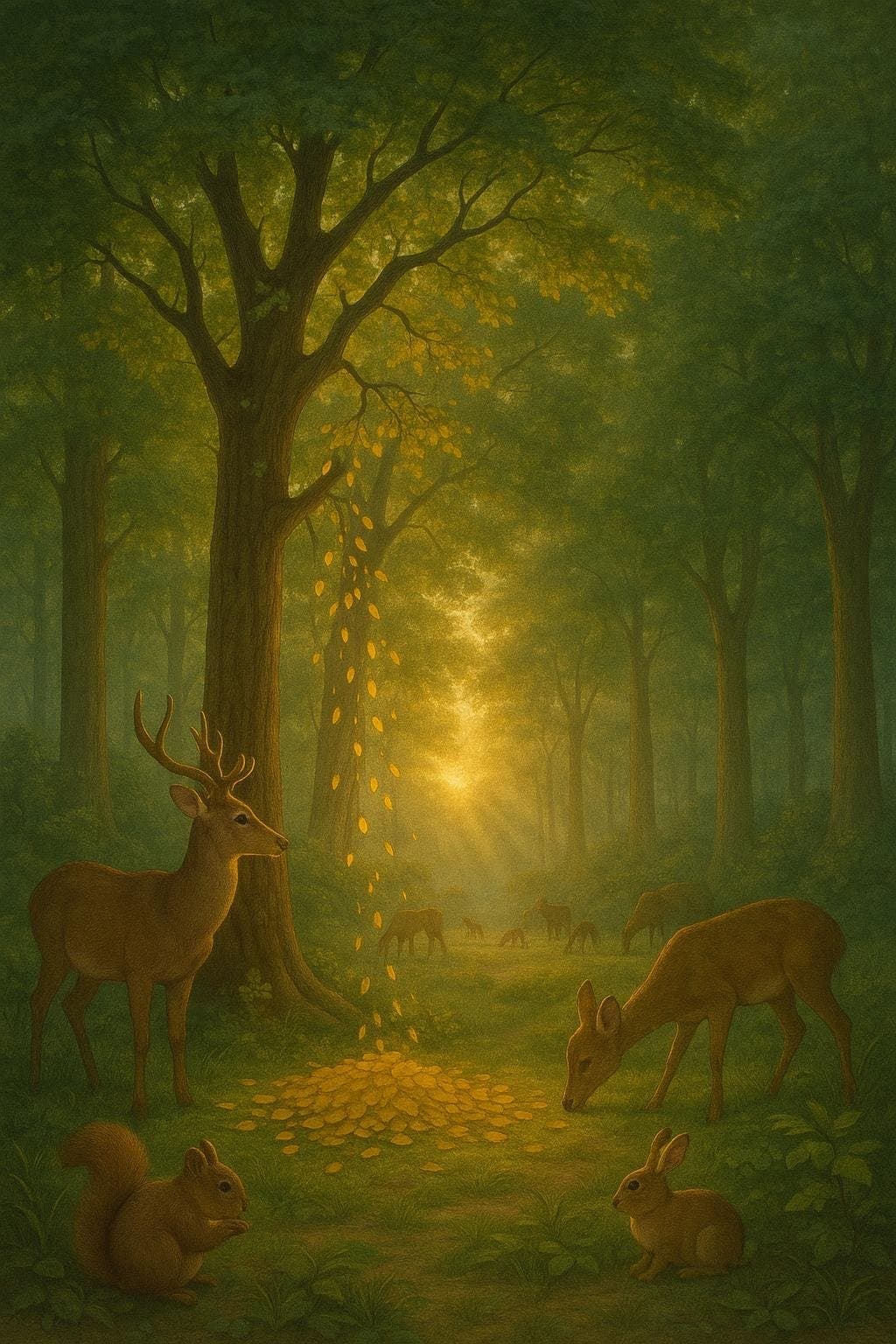
To live a pure unselfish life, one must count nothing as one’s own in the midst of abundance. — Buddha
—What lingers after this line?
Buddha’s Vision of Selflessness
Buddha’s words challenge us to reconsider our relationship with material wealth and personal ownership. He suggests that a truly pure and unselfish life is possible only when we relinquish attachment to possessions—even when surrounded by plenty. This concept, rooted in ancient Buddhist teachings, advocates for a mindset where one finds liberation not in acquiring more, but in letting go of the concept of ‘mine.'
The Illusion of Ownership
Transitioning from Buddha’s perspective, the notion that nothing is truly our own is a recurring theme across spiritual traditions. In the *Dhammapada*, Buddha cautions that clinging to things as ‘mine’ gives rise to suffering and restlessness, while realizing the impermanence of all things leads to peace. This insight invites individuals to cultivate detachment, recognizing that abundance is often fleeting and ultimately outside our control.
Wealth in the Context of Community
Moreover, Buddhist communities (sanghas) historically embody this principle by practicing collective ownership and sharing resources, as seen in the practice of alms rounds among monks. This approach fosters generosity and interconnectedness, turning abundance into a shared blessing. By viewing wealth not as a private reserve but as an opportunity for giving, communities reaffirm the value of selflessness.
Modern Manifestations of Generosity
In contemporary society, stories of philanthropy and charitable giving echo Buddha’s call. For instance, entrepreneurs like Chuck Feeney—who gave away his fortune during his lifetime—demonstrate that true fulfillment often comes from sharing abundance rather than hoarding it. These modern examples illustrate how detaching personal identity from possessions paves the way for a more compassionate and equitable world.
The Ongoing Practice of Detachment
Ultimately, cultivating a pure, unselfish life is an ongoing journey rather than a final destination. Each day offers opportunities to reexamine our attachments, to see abundance as something to be stewarded rather than possessed. By consistently letting go and embracing generosity, we walk a path illuminated by Buddha’s wisdom—where selflessness in the midst of plenty becomes the truest form of wealth.
Recommended Reading
As an Amazon Associate, we earn from qualifying purchases.
One-minute reflection
What does this quote ask you to notice today?
Related Quotes
6 selectedTo study the self is to forget the self. To forget the self is to be enlightened by all things. — Dōgen
Dōgen
Dōgen frames awakening as an apparent contradiction: you begin by studying the self, yet that very study culminates in forgetting the self. The first clause points to honest examination—watching thoughts, motives, and ha...
Read full interpretation →Happiness is the absence of the striving for happiness. — Chuang Tzu
Chuang Tzu
Chuang Tzu’s line begins with a paradox: the more we chase happiness as an object to capture, the more it recedes. In other words, striving turns joy into a future prize, which quietly trains the mind to feel that the pr...
Read full interpretation →Objective judgment, unselfish action, and willing acceptance are all the soul requires. — Marcus Aurelius
Marcus Aurelius
Marcus Aurelius frames the soul’s needs in strikingly spare terms: clear judgment, unselfish action, and willing acceptance. In doing so, he argues that the essentials of a good life are not external—status, comfort, app...
Read full interpretation →Harmony follows those who practice kindness without waiting for applause — Confucius
Confucius
Confucius’ observation highlights a subtle but powerful truth: the most transformative kindness is often the kind no one sees. Rather than treating goodness as a performance awaiting compliments, he points toward actions...
Read full interpretation →He gives them life and nurtures them, produces without possessing, acts without presuming on his deeds, leads without dominating— this is called mysterious virtue.
Laozi
The opening lines describe a figure who “gives them life and nurtures them,” yet remains free of possessiveness. This evokes the image of a gardener who tends a tree but never insists, “This fruit is mine alone.” Instead...
Read full interpretation →Heaven and earth endure. The reason heaven and earth can be long and lasting is that they do not live for themselves; therefore they can long endure. - Laozi
Laozi
Laozi observes that heaven and earth last because they do not live for themselves, a paradox at the heart of Daoist thought. In Daodejing, chapter 7, the cosmos endures precisely by not grasping, not claiming, and not ce...
Read full interpretation →More From Author
More from Buddha →However many holy words you read, however many you speak, what good will they do you if you do not act upon them? — Buddha
Buddha’s question cuts through spiritual comfort by shifting attention from what we consume—holy texts and pious speech—to what we embody. Reading and reciting can feel like progress because they are visible and repeatab...
Read full interpretation →Better than a thousand hollow words, is one word that brings peace. — Buddha
Buddha’s saying begins with a simple comparison: quantity versus consequence. A thousand words can impress, distract, or even manipulate, yet still remain “hollow” if they do not reduce suffering or clarify the mind.
Read full interpretation →The way is not in the sky. The way is in the heart. — Buddha
Buddha’s line redirects spiritual seeking away from distant, external places—“the sky”—and toward the intimate terrain of lived experience. Instead of imagining truth as something hidden in the heavens or guarded by spec...
Read full interpretation →There are only two mistakes one can make along the road to truth... not going all the way, and not starting. — Buddha
The quote frames truth not as a possession but as a journey—something approached through motion, effort, and direction. By calling it a “road,” the saying implies distance between our current understanding and clearer in...
Read full interpretation →