
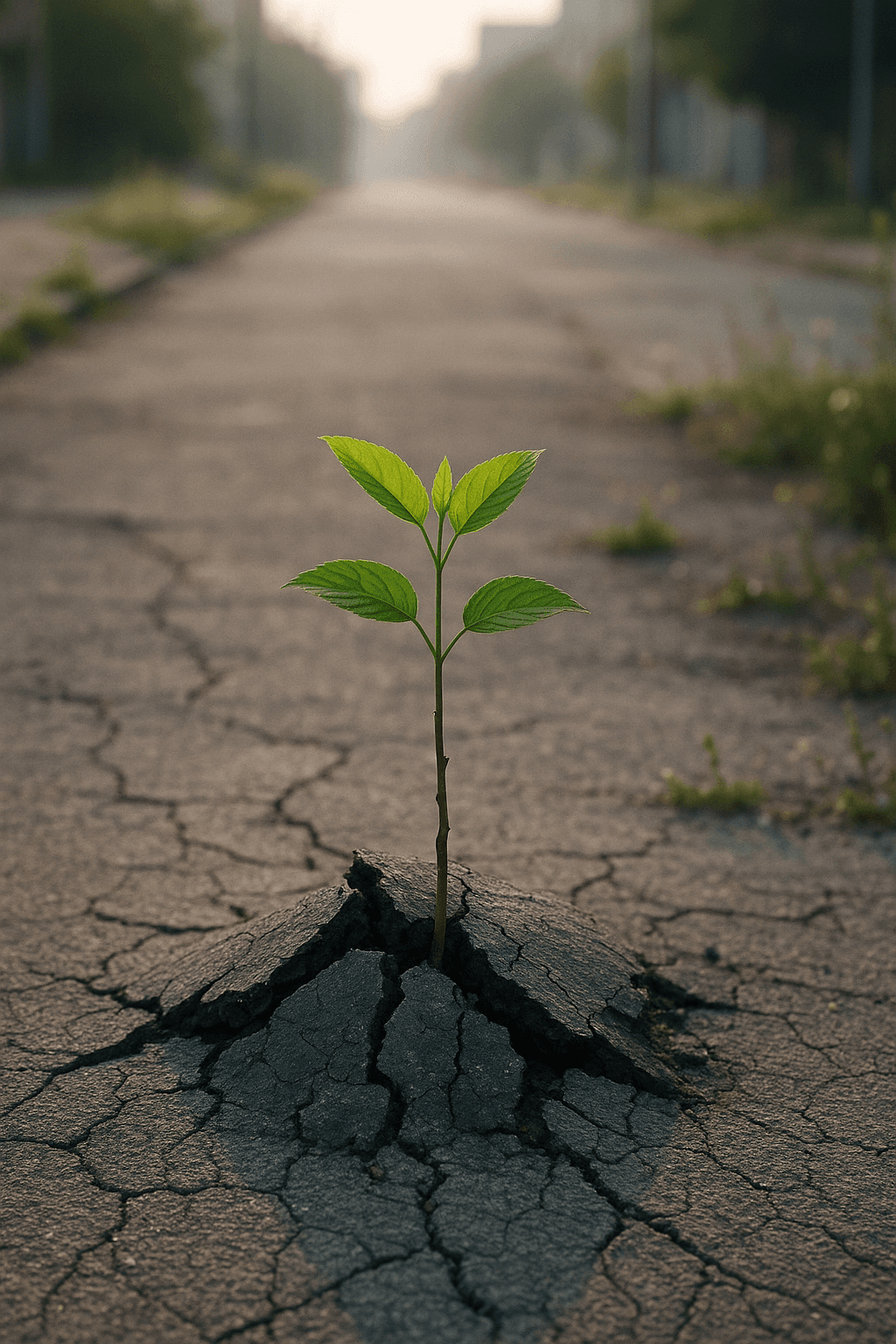
Resilience is the secret to all change. — Denise Linn
—What lingers after this line?
Understanding Resilience as a Core Quality
At its heart, Denise Linn’s quote posits resilience as the foundation of any meaningful transformation. Rather than a mere ability to withstand hardship, resilience encompasses adaptability, persistence, and the capacity for growth. This perspective reframes resilience as a proactive force—one that empowers individuals to engage constructively with life’s uncertainties rather than passively endure them.
Historical Perspectives on Change and Adaptation
Moving through history, one sees countless examples where resilience marks the difference between stagnation and progress. Consider Charles Darwin’s observations in 'On the Origin of Species' (1859): species do not survive because they are the strongest, but because they adapt. This evolutionary lens aligns with Linn’s insight, showing how resilience is integral for change at both individual and collective scales.
Psychological Insights: Coping and Thriving
Complementing these historical views, modern psychology recognizes resilience as a crucial element in navigating change. Psychologist Ann Masten refers to resilience as ‘ordinary magic’—an innate human capacity to recover from adversity and emerge stronger. Building on this, research demonstrates that resilient individuals are more likely to transform challenges into opportunities for development, supporting Linn’s assertion.
Resilience in Everyday Life
Looking at everyday experiences, resilience becomes the quiet driver of personal reinvention. When faced with career setbacks or relationship upheaval, it is often our resilience—not our initial skill or confidence—that determines how we adapt. Stories of people reinventing themselves after loss or failure abound in memoirs and media, illustrating resilience as the secret ingredient to newfound growth.
Cultivating Resilience for Future Transformation
As we consider the future, it becomes clear that resilience is not just a reaction but a skill to be cultivated. Practices like mindfulness, community support, and fostering a growth mindset all enhance our capacity to face change. Ultimately, embracing resilience as a way of life equips us to initiate and sustain meaningful transformation, echoing Denise Linn’s timeless wisdom.
One-minute reflection
Where does this idea show up in your life right now?
Related Quotes
6 selectedTrue resilience isn't just about pushing through; it's the intelligent management of your energy so you don't break. — Brené Brown
Brené Brown
At first glance, resilience is often mistaken for sheer endurance—the ability to keep going no matter the cost. Brené Brown’s quote gently corrects that assumption by suggesting that real strength lies not in endless pus...
Read full interpretation →Resilience is not just enduring the storm; it is learning to harvest the rain to nourish the roots you've already planted. — Elizabeth Edwards
Elizabeth Edwards
At first glance, Elizabeth Edwards rejects the common image of resilience as simple endurance. To ‘endure the storm’ suggests gritting one’s teeth and waiting for suffering to pass, yet her metaphor quickly moves further...
Read full interpretation →Resilience is not a single skill. It is a variety of tools, a way of being, and a choice to adapt your sails when the wind refuses to blow your way. — Jean Chatzky
Jean Chatzky
At first glance, Jean Chatzky’s quote rejects the comforting idea that resilience is a single inborn gift. Instead, it presents resilience as something broader and more practical: a collection of tools, habits, and attit...
Read full interpretation →When I hear somebody sigh, 'Life is hard,' I am always tempted to ask, 'Compared to what?' — Sydney J. Harris
Sydney J. Harris
Sydney J. Harris’s remark begins with an ordinary expression of fatigue: “Life is hard.” Yet his response, “Compared to what?” quietly turns complaint into inquiry.
Read full interpretation →Don't fight the challenges. Just find a new way to stand. — Germany Kent
Germany Kent
Germany Kent’s words begin with a quiet reversal of instinct: instead of treating every challenge as an enemy to defeat, she invites us to reconsider our posture toward difficulty. The emphasis is not on surrender, but o...
Read full interpretation →Emotional resilience refers to your ability to roll with the punches, adapt to adversity, and bounce back after setbacks. — Bettendorf Counseling Center
Bettendorf Counseling Center
At its core, the Bettendorf Counseling Center’s definition frames emotional resilience as a flexible strength rather than a hard shell. To “roll with the punches” is not to avoid pain or pretend setbacks do not matter; i...
Read full interpretation →More From Author
More from Denise Linn →