
In tomorrow’s light all things will be clear. — Rainer Maria Rilke
—What lingers after this line?
The Assurance of Future Understanding
Rainer Maria Rilke’s declaration that ‘in tomorrow’s light all things will be clear’ offers reassurance to those wrestling with uncertainty. His poetic optimism implies that confusion is temporary; with the passage of time comes perspective. This sentiment has long comforted readers, encouraging patience in the face of doubt and anxiety.
Dawn as a Symbol of Insight
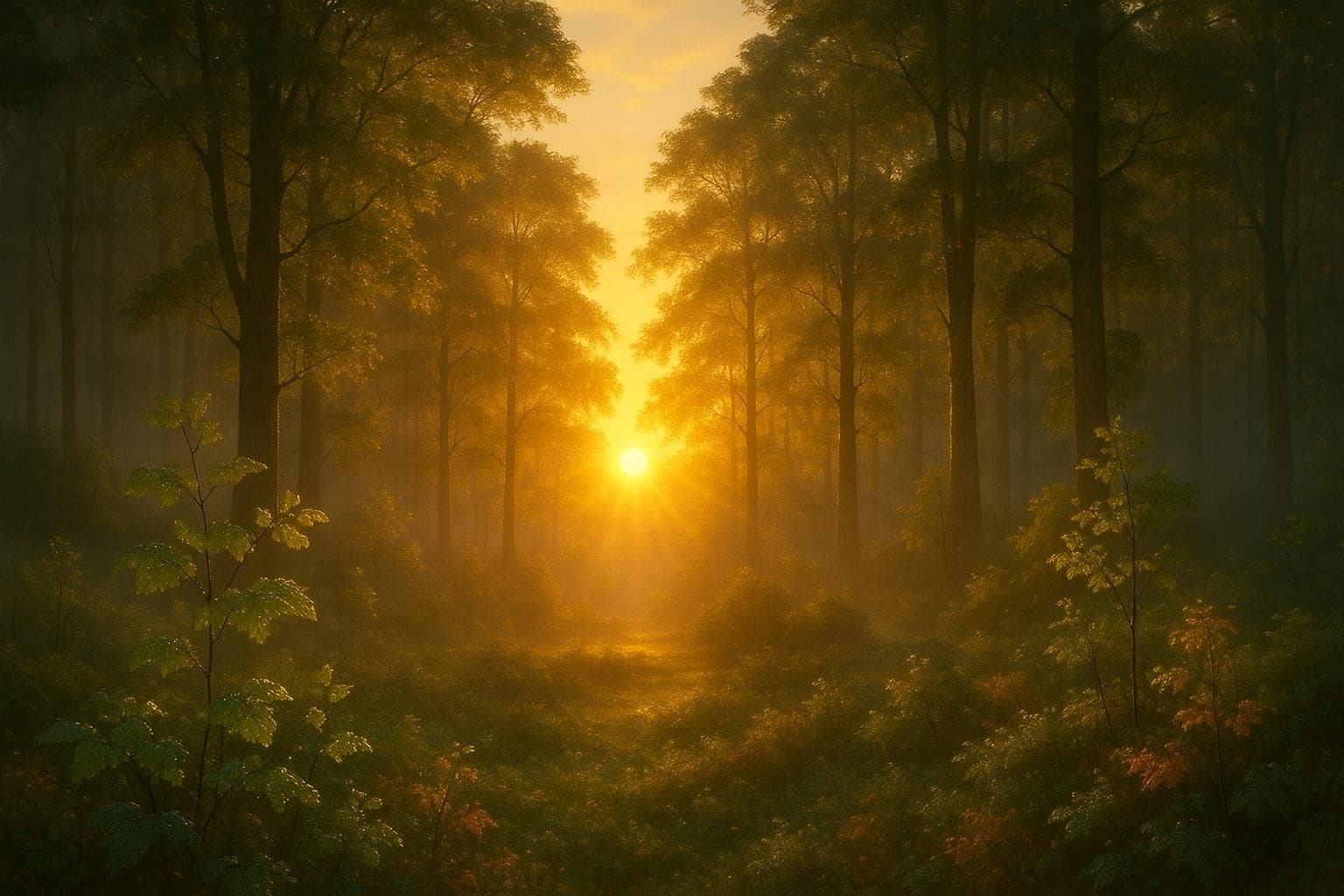
The image of 'tomorrow's light' evokes the dawn—a powerful metaphor for illumination and realization. From Homer’s ‘rosy-fingered dawn’ in the *Odyssey* to Emily Dickinson’s poems on hope, literary traditions equate sunrise with revelation. Rilke harnesses this legacy, suggesting that, much like night yields to morning, obscurity surrenders to insight.
Rilke’s Own Journey Through Uncertainty
Rilke himself often inhabited realms of existential doubt, as his *Letters to a Young Poet* (1903–1908) attest. He counseled aspiring artists to ‘live the questions now’ and trust that answers would come with time. Thus, his quote is not mere platitude—it reflects his lived experience of wrestling with ambiguity before arriving at clarity.
Psychological Perspectives on Waiting for Clarity
Modern psychology supports the wisdom in Rilke’s words. Cognitive studies, such as those by Daniel Kahneman, reveal that our judgments often improve after a period of delay and reflection. By pausing and awaiting new 'light,' people can reappraise situations with greater objectivity and reduced emotional bias, finding solutions previously obscured by stress.
Patience as an Active Practice
Ultimately, Rilke’s quote instructs us to embrace patience as a proactive stance rather than passive resignation. Facing problems with the knowledge that clarity will arrive—if only we endure through the darkness—fosters resilience. In personal decisions, artistic pursuits, or daily troubles, the promise of tomorrow’s light becomes both a consolation and a call to continue onward.
One-minute reflection
Why might this line matter today, not tomorrow?
Related Quotes
6 selectedSow clarity in the present and your future will grow unmistakably bright. — Khalil Gibran
Khalil Gibran
Khalil Gibran’s line, “Sow clarity in the present and your future will grow unmistakably bright,” turns an ancient farming image into a guide for modern life. Just as a harvest depends on what is planted and how carefull...
Read full interpretation →Do you have the patience to wait until your mud settles and the water is clear? — Lao Tzu
Lao Tzu
Lao Tzu’s question frames patience not as passive delay but as an active kind of wisdom. The image of muddy water settling on its own suggests that confusion often clears not through force, but through restraint.
Read full interpretation →You don't lack discipline, you lack clarity. — Ross Harkness
Ross Harkness
Ross Harkness’s line reframes a common personal frustration. People often blame themselves for inconsistency, assuming they are lazy or weak-willed, yet the quote suggests a different problem: they may simply not know ex...
Read full interpretation →Clutter is not just physical; it is the visual noise that prevents us from seeing what truly matters. — Fumio Sasaki
Fumio Sasaki
At first glance, Fumio Sasaki’s remark appears to be about untidy rooms, yet it quickly reaches further. He reframes clutter not merely as an excess of objects but as a form of visual interference that competes for our a...
Read full interpretation →Burnout is more an issue of poor energy management and low clarity than of over-giving. — Rob Bell
Rob Bell
At first glance, burnout is often described as the inevitable cost of caring too much or giving too much. Rob Bell’s statement shifts that assumption by arguing that the deeper problem is not generosity itself, but the m...
Read full interpretation →Originality is clarity. — Zadie Smith
Zadie Smith
At first glance, Zadie Smith’s line overturns a common assumption. People often treat originality as novelty for its own sake, as if being new automatically means being meaningful.
Read full interpretation →More From Author
More from Rainer Maria Rilke →To love is not about merging. It is a noble calling for the individual to ripen, to differentiate, to become a world in oneself in response to another. — Rainer Maria Rilke
At first glance, Rilke challenges one of romance’s most familiar ideals: the desire to ‘become one.’ Instead, he argues that genuine love is not a collapse of boundaries but a deepened encounter between two distinct peop...
Read full interpretation →Everything is blooming most recklessly; if it were voices instead of colors, there would be an unbelievable shrieking into the heart of the night. — Rainer Maria Rilke
At first glance, Rilke turns a peaceful image of blooming nature into something almost overwhelming. Flowers do not merely open; they burst forth “most recklessly,” suggesting a vitality so abundant that it exceeds calm...
Read full interpretation →And now let us believe in a long year that is given to us, new, untouched, full of things that have never been. — Rainer Maria Rilke
Rilke opens by shifting the tone from planning to believing: the year is “given to us,” implying something received rather than conquered. This framing matters because it replaces the pressure of achievement with the hum...
Read full interpretation →The purpose of life is to be defeated by greater and greater things. — Rainer Maria Rilke
Rainer Maria Rilke’s line treats “defeat” not as failure to avoid, but as a destination worth moving toward. The purpose of life, in this view, is measured by what can humble us—truths, beauties, responsibilities, or ide...
Read full interpretation →