
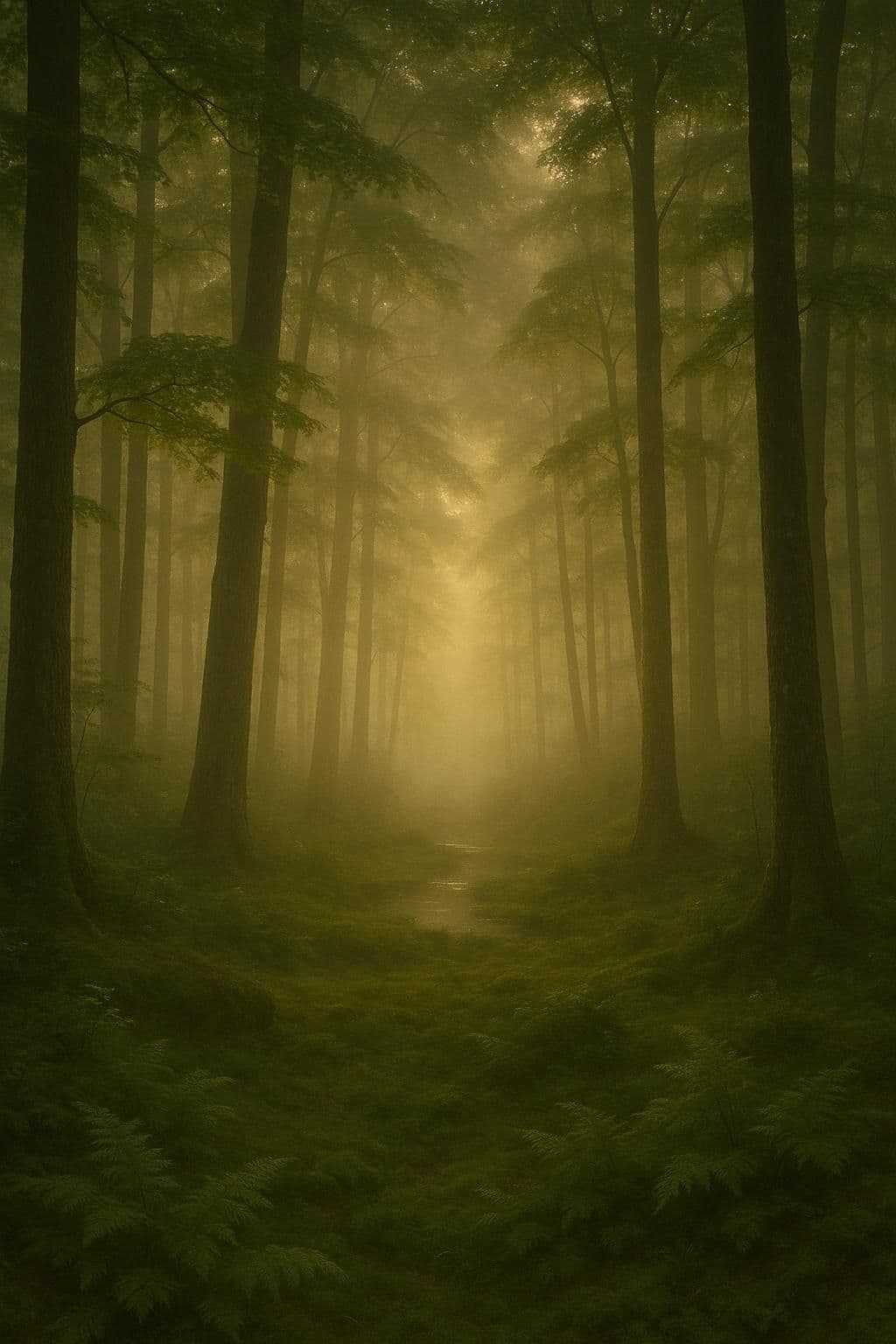
The silence of nature is very real. It surrounds you and penetrates you. — Ted Trueblood
—What lingers after this line?
The Authenticity of Natural Silence
Ted Trueblood’s words highlight the very real, tangible nature of the silence found in the outdoors. Unlike the absence of noise in a closed room, nature’s quiet possesses substance—it is vast, immersive, and palpable. Whether in dense forests, open prairies, or along tranquil rivers, this silence resonates not as emptiness but as a presence, inviting deeper awareness and contemplation.
Immersion and Sensory Experience
This silence does not merely sit at the periphery; it envelops and interacts with the individual. As hikers often report in places like Yosemite’s backcountry, stepping into nature’s quiet can feel transformative, as though sound itself has become a soft cloak around one's senses. Here, the subtle rustle of leaves or distant birdcall only accentuates the pervading calm, offering a sharp contrast to the perpetual noise of urban life.
Nature’s Silence and Inner Reflection
Transitioning from external experience to internal impact, the silence Trueblood describes penetrates beyond the senses, prompting introspection. As noted by Henry David Thoreau in his retreat to Walden Pond (1854), such silence offers space for thought and self-discovery. In these moments, individuals often find clarity, reconnecting with themselves and their surroundings in a manner seldom possible amid civilization’s chatter.
Healing and Rejuvenation Through Quiet
Moreover, science underscores the restorative effects of natural silence. Studies cited by ecologist Gordon Hempton demonstrate that periods of quiet in natural settings reduce stress, lower blood pressure, and improve overall mental health. This healing quality explains why so many seek wilderness retreats—to allow nature’s silence to soothe both body and mind, reinforcing Trueblood’s sentiment of permeability.
Cultivating Reverence and Connection
Ultimately, the silence Trueblood describes fosters a reverence for the natural world. It dissolves boundaries between self and environment, allowing a profound connection to emerge. Recounting his experiences in the Idaho wilderness, Trueblood himself often wrote of feeling both small and significant within this quiet. In embracing the silence of nature, we rediscover humility, gratitude, and a renewed sense of belonging to something vast and enduring.
One-minute reflection
What does this quote ask you to notice today?
Related Quotes
6 selectedDon't underestimate the value of Doing Nothing, just going along, listening to all the things you can't hear, and not bothering. — A.A. Milne
A. A. Milne
At first glance, A.A. Milne’s line sounds playful, almost like permission to be lazy.
Read full interpretation →Quiet is a superpower in a world that thrives on noise. — Susan Cain
Susan Cain
At first glance, Susan Cain’s remark elevates something easily overlooked: quiet. In cultures that often reward speed, volume, and constant self-display, silence can seem passive.
Read full interpretation →Stillness is not the absence of energy. It is the consolidation of it. — Seneca
Seneca
At first glance, Seneca’s line challenges a common assumption: that stillness means passivity, emptiness, or retreat from life. Instead, he reframes it as a disciplined state in which energy is not scattered but drawn in...
Read full interpretation →Stillness is the birthplace of strength. — Epictetus
Epictetus
At first glance, Epictetus turns a common assumption upside down: strength does not begin in noise, force, or visible struggle, but in stillness. The Stoic philosopher suggests that real power is born when the mind becom...
Read full interpretation →You do not need to leave your room. Remain sitting at your table and listen. Do not even listen, simply wait, be quiet, still and solitary. The world will freely offer itself to you to be unmasked. — Franz Kafka
Franz Kafka
Kafka begins with a striking command: do not chase the world, but remain in place. At first, this seems to reject ordinary habits of ambition and movement, yet that reversal is precisely his point.
Read full interpretation →To move forward, you must first give yourself permission to be still. — Yung Pueblo
Yung Pueblo
At first glance, Yung Pueblo’s line seems contradictory: how can stillness help us move forward? Yet that tension is precisely the point.
Read full interpretation →More From Author
More from Ted Trueblood →