
Creation Begins With the Courage to Start
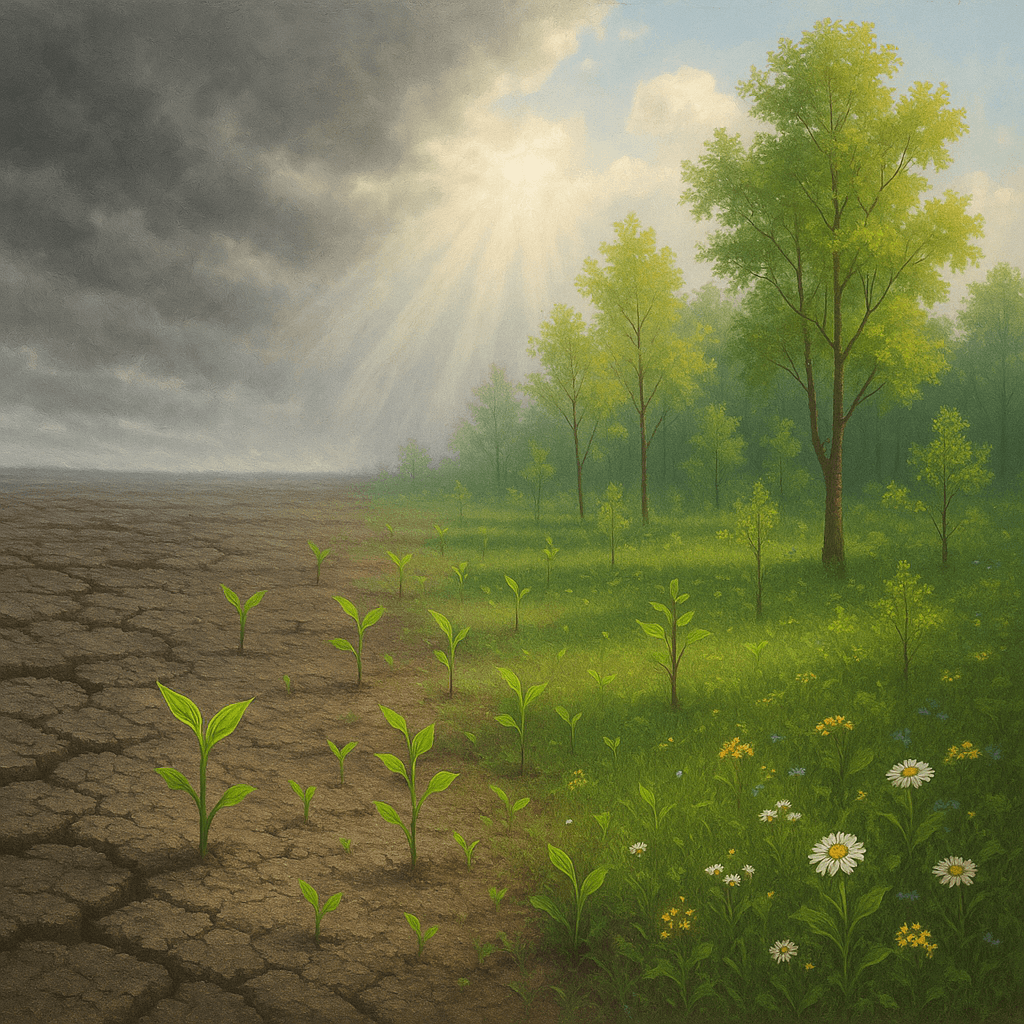
The power to create lies in the willingness to begin. — Gabriel García Márquez
—What lingers after this line?
The Threshold of Action
Gabriel García Márquez’s insight highlights a universal truth: creativity depends not on innate genius, but on the determination to take the first step. This threshold—moving from thought to action—often separates the prolific creator from the perpetual dreamer. The act of beginning, Márquez suggests, is itself an engine of possibility, transforming abstract intention into tangible reality.
Overcoming the Fear of Imperfection
Following this thought, many aspiring writers and artists stall at the outset due to a fear of imperfection. Julia Cameron, in 'The Artist’s Way' (1992), observes how this anxiety paralyzes would-be creators. Yet, Márquez’s words remind us that no masterpiece is born fully formed; the willingness to begin—despite uncertainty—invites the process of discovery, often revealing unforeseen strengths.
Momentum Through Small Steps
Building on this, small acts of starting can generate momentum. Think of Maya Angelou’s practice: she would begin writing at the same early hour each day, trusting that the ritual of starting would coax inspiration to follow. Such routines demonstrate that creativity flourishes when willingness meets consistent effort, even if the initial steps feel tentative.
Historical Testimonies of Creative Initiation
Furthermore, history is replete with figures who credited their achievements to the courage to embark. Leonardo da Vinci’s sketchbooks brim with unfinished projects, yet each attempt laid groundwork for future breakthroughs. Márquez himself recounted his struggles to draft the opening of 'One Hundred Years of Solitude,' underscoring that illustrious beginnings are often the result of embracing the uncertainty of starting.
Transforming Intention Into Innovation
Ultimately, the willingness to begin is the catalyst that transforms intention into innovation. By crossing the threshold and accepting the vulnerability of creation, one opens the door to growth, learning, and unforeseen success. Thus, as García Márquez suggests, our greatest creative power lies not in waiting for perfect conditions, but in simply choosing to begin.
Recommended Reading
One-minute reflection
What's one small action this suggests?
Related Quotes
6 selectedBegin where you are with what astonishes you; astonishment fuels creation. — E.E. Cummings
E. E. Cummings
E.E. Cummings invites us to begin not with grand plans but with the immediacy of our own surroundings.
Read full interpretation →Every accomplishment starts with the decision to try. – John F. Kennedy
John F. Kennedy
This quote emphasizes the importance of taking the first step. Without the decision to put effort into something, accomplishments are impossible.
Read full interpretation →あなたができると思うことを何でも始めなさい。できると思えばできる。 — ゲーテ
ゲーテ
This quote emphasizes the importance of self-belief. Goethe suggests that if you believe you have the capability to achieve something, that belief itself can be a powerful motivator.
Read full interpretation →Creativity takes courage. — Henri Matisse
Henri Matisse
This quote highlights that being creative often involves exposing one's inner thoughts and feelings, which requires a significant amount of courage as it makes one vulnerable to criticism and judgment.
Read full interpretation →To create is to live twice. — Albert Camus
Albert Camus
This quote suggests that the act of creation gives life a deeper meaning. By creating, individuals experience a second life as they bring new ideas and forms to existence.
Read full interpretation →Show up, show up, show up, and after a while the muse shows up, too. — Isabel Allende
Isabel Allende
Isabel Allende flips a common fantasy about creativity: that inspiration arrives first and then the work can begin. Instead, she suggests the reverse—your presence at the page, desk, or craft is what summons the muse.
Read full interpretation →More From Author
More from Gabriel García Márquez →No one should fear shadows. It simply means there's a light shining somewhere nearby. — Gabriel García Márquez
Gabriel García Márquez turns a common source of unease into a quiet reassurance: shadows are not threats in themselves, but evidence. When we fear shadows, we often respond to what is vague, enlarged, or half-seen—our mi...
Read full interpretation →Open one window of wonder each day and the light of possibility will rush in. — Gabriel García Márquez
García Márquez frames wonder not as a rare accident, but as something you can choose—one “window” at a time. The image suggests a small, deliberate action: a pause, a question, a moment of attention.
Read full interpretation →Persist like a river: find the cracks and flow through them. — Gabriel García Márquez
García Márquez’s image begins with something ordinary but unstoppable: a river. It doesn’t “win” by force or by arguing with the landscape; it keeps moving, day after day, and that continued motion becomes its power.
Read full interpretation →Imagine boldly, then write the first line with your feet. — Gabriel García Márquez
Gabriel García Márquez’s line, “Imagine boldly, then write the first line with your feet,” begins with an impossibility. No one literally writes with their feet, yet the image lingers because it challenges our sense of w...
Read full interpretation →