
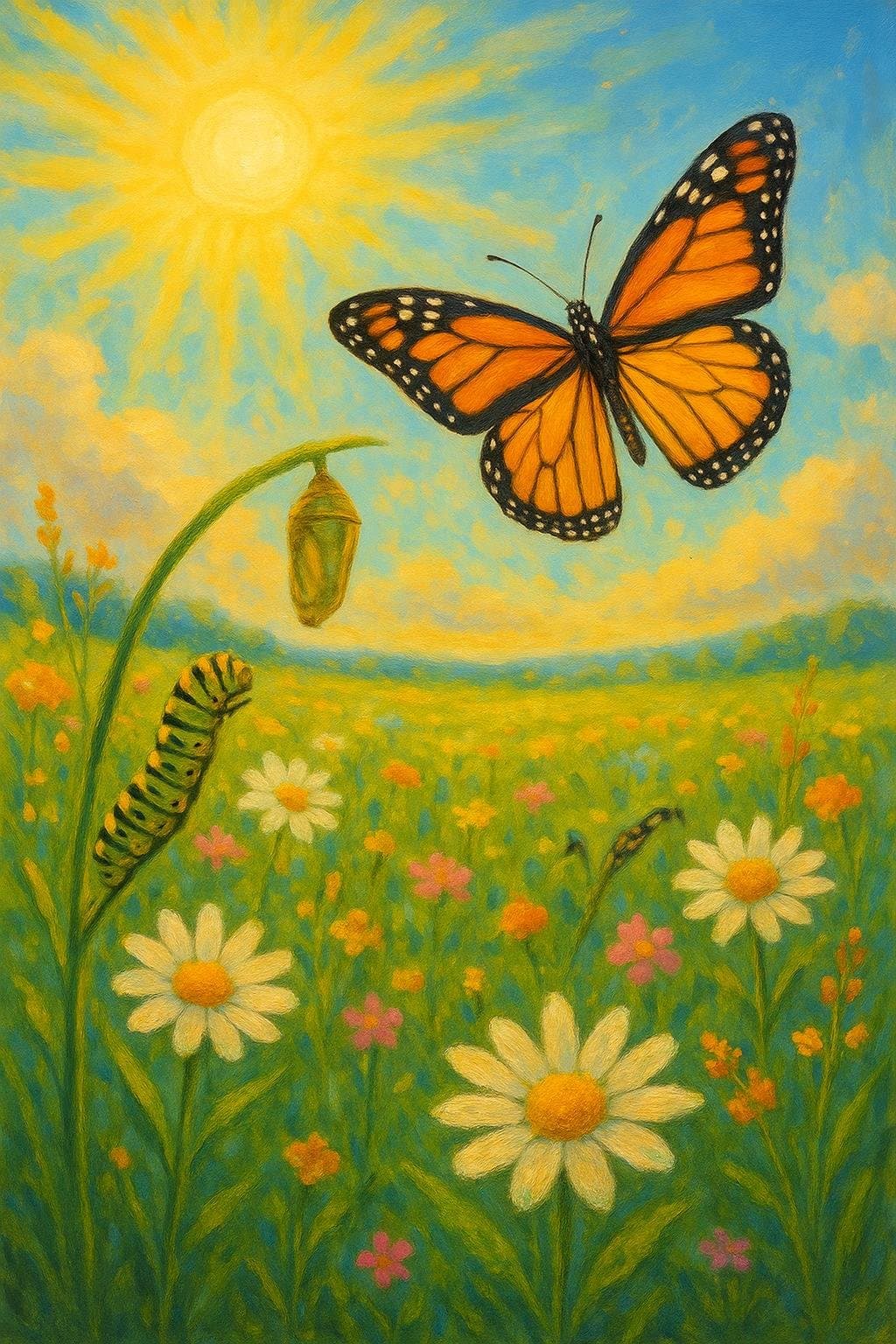
The most precious thing in life is not what we get but what we become. — Liu Yiming
—What lingers after this line?
The Essence of Personal Transformation
Liu Yiming’s statement underscores a profound shift in perspective—redirecting value from external possessions to internal evolution. Rather than focusing on accumulating material gains, it is the journey of self-transformation and the person we grow into that holds the highest worth. This echoes ancient wisdom traditions, where sages have long emphasized ‘becoming’ as the genuine fruit of one’s life efforts.
Contrasting Material Gain with Inner Growth
Expanding on this, history offers countless stories of those who, despite great wealth, felt unfulfilled, while others who devoted themselves to personal or spiritual development found enduring satisfaction. For instance, Siddhartha Gautama left behind privilege and riches to seek enlightenment, illustrating that the true riches are those found within. This transition highlights the limitations of external rewards in providing lasting contentment.
Enduring Value in Character Development
Moreover, becoming is a process that shapes character, virtues, and worldview over time. The lessons learned through perseverance, compassion, and integrity are not things that can be given or taken—they are woven into the fabric of who we are. As Aristotle mused in his ‘Nicomachean Ethics,’ moral virtue is developed by habit, indicating that what we become is a product of continual action and reflection.
Legacy and the Impact on Others
This internal focus is also intimately tied to the legacy we leave. Unlike material possessions, which may fade or be lost, the influence of a person’s character and actions can ripple through generations. Think of exemplars like Nelson Mandela, whose transformation in prison gave rise to the moral authority that inspired a nation. Thus, what we become often outlasts any tangible achievement.
Living Intentionally for Future Becoming
Ultimately, Liu Yiming’s wisdom calls for mindful engagement with our growth. By prioritizing who we become over what we obtain, daily choices gain new significance. Whether through small acts of courage, honesty, or compassion, each moment provides an opportunity to shape our truest selves. In this way, the journey of becoming, not merely acquiring, becomes life’s most precious and enduring pursuit.
Recommended Reading
As an Amazon Associate, we earn from qualifying purchases.
One-minute reflection
Why might this line matter today, not tomorrow?
Related Quotes
6 selectedReal growth is when you finally realize that taking care of yourself is a necessity, not a luxury. — Yung Pueblo
Yung Pueblo
Yung Pueblo’s line pivots on a simple but radical reframing: self-care isn’t a reward you earn after everything else is done; it’s the condition that makes everything else sustainable. In many lives, care for the self ge...
Read full interpretation →Any significant long-term change requires long-term practice, whether that change has to do with playing the violin or learning to be a more open, loving person. — Michael Pollock
Michael Pollock
Michael Pollock’s insight begins with a simple but demanding truth: meaningful change does not arrive in a sudden burst of inspiration. Instead, whether one is learning the violin or becoming more open-hearted, progress...
Read full interpretation →We are all works in progress. That is actually being alive. — Thomas Oppong
Thomas Oppong
Thomas Oppong’s line begins with a gentle but radical claim: to be human is not to be complete, but to be continually forming. Rather than treating imperfection as a flaw, the quote reframes it as evidence of vitality.
Read full interpretation →Respect yourself enough to walk away from anything that no longer grows you. — Brené Brown
Brené Brown
At its core, Brené Brown’s line frames departure not as failure but as dignity in motion. To respect yourself, in this view, is to recognize when a relationship, job, habit, or environment has stopped contributing to you...
Read full interpretation →Learning technique is a way to make your soul grow. So do it. — Vincent van Gogh
Vincent van Gogh
Van Gogh’s brief statement turns learning into more than a practical task; it becomes an ethical and spiritual imperative. By saying that learning technique helps the soul grow, he suggests that disciplined study does no...
Read full interpretation →The most beautiful discovery true friends make is that they can grow separately without growing apart. — Elisabeth Foley
Elisabeth Foley
Elisabeth Foley’s quote captures a gentle but powerful truth: authentic friendship does not depend on constant proximity or identical life paths. At first glance, distance, change, and personal growth might seem like thr...
Read full interpretation →More From Author
More from Liu Yiming →