
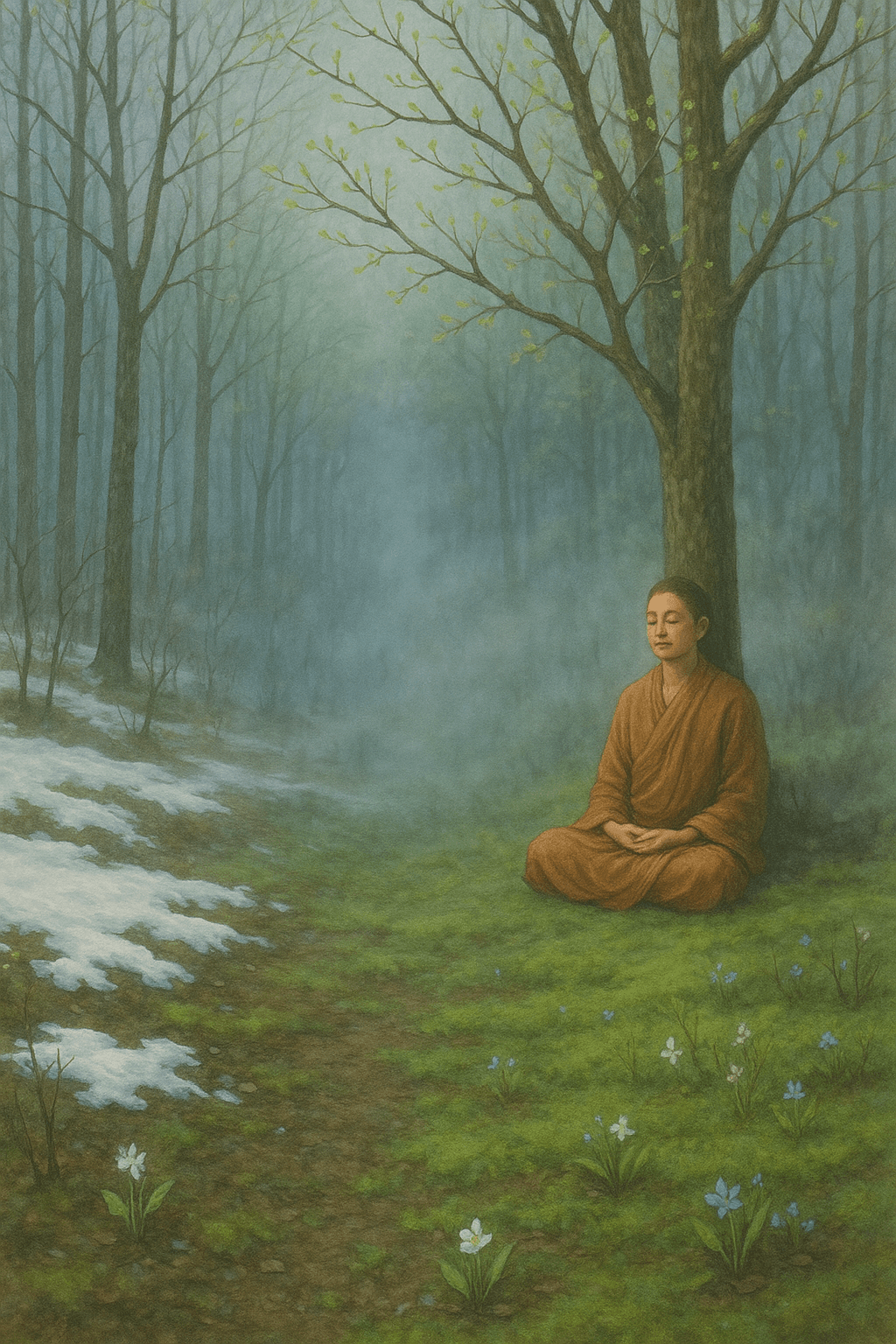
What you want is not ahead but inside you. — Thich Nhat Hanh
—What lingers after this line?
The Core Message of Inner Fulfillment
Thich Nhat Hanh's teaching invites us to look inward rather than outward for what we seek—whether it be happiness, purpose, or peace. His assertion underlines the misconception that fulfillment lies in external achievements or future goals, suggesting instead that our deepest needs and capacities already reside within us. This inward turn forms the core of his Zen Buddhist philosophy and opens the door to self-awareness and acceptance.
Contrasting External Pursuit with Internal Realization
Traditionally, societies emphasize striving for career advancement, material possessions, or recognition as a path to happiness. However, as Thich Nhat Hanh and many contemplative traditions point out, such pursuits often lead to a cycle of endless craving and dissatisfaction. In contrast, turning attention inward yields a different kind of wealth—the contentment found in self-understanding and present-moment awareness.
Roots in Mindfulness Practice
Building on this, Thich Nhat Hanh anchors his teachings in the practice of mindfulness. By cultivating mindful breathing and conscious presence, individuals learn to touch the joy and serenity that are innate to their being. His book, ‘The Miracle of Mindfulness’ (1975), expounds on how simple, attentive moments—like washing dishes or listening to a loved one—can connect us with the fulfillment we seek.
Anecdotes from Buddhist Tradition
Throughout Buddhist literature, stories abound of seekers searching far and wide for wisdom, only to be told by their teachers that what they truly desire was always within. One such tale is that of the Buddha placing a lotus in his hand while remaining silent; only Mahakasyapa, recognizing the wordless transmission of insight, smiled in understanding—signifying that enlightenment springs from within, not from external instruction.
Integrating Inner Wisdom into Daily Life
Ultimately, Thich Nhat Hanh’s counsel is not abstract philosophy but practical guidance. By nurturing inner stillness, we become less dependent on fleeting external circumstances for happiness. Everyday acts—breathing deeply, pausing to appreciate beauty, or extending compassion—become gateways to discovering the richness that already exists within us. In doing so, we come to realize that our journey is less about finding something new ahead, and more about awakening to what we already hold inside.
One-minute reflection
What's one small action this suggests?
Related Quotes
6 selectedYour work is to discover your world and then with all your heart give yourself to it. — Buddha
Buddha
This quote emphasizes the importance of self-discovery. It encourages individuals to explore their unique paths and understand their true desires and aspirations.
Read full interpretation →You will never be able to experience everything. So, please, do poetical justice to your soul and simply experience yourself. — Albert Camus
Albert Camus
Camus begins from a humbling truth: no person can live every possible life, see every landscape, or test every path. Because existence is finite, the dream of total experience becomes a source of restlessness rather than...
Read full interpretation →You cannot express something you have not first discovered. — Carl Jung
Carl Jung
At its core, Jung’s remark suggests that authentic expression begins not with performance but with discovery. A person cannot meaningfully speak, create, or reveal what has never been encountered within the self.
Read full interpretation →Sometimes losing everything is how you find yourself. — J.K. Rowling
J.K. Rowling
At first glance, J.K. Rowling’s line frames devastation not simply as an ending, but as a brutal kind of beginning.
Read full interpretation →Quietly, I am becoming the woman I was always meant to be. — Mitsuye Yamada
Mitsuye Yamada
Mitsuye Yamada’s line begins not with spectacle, but with stillness. The word “quietly” suggests that the deepest changes in a life often happen away from applause, in private acts of courage, reflection, and endurance.
Read full interpretation →The best parts of your life are the ones that happen when absolutely no one is looking. — Pema Chödrön
Pema Chödrön
Pema Chödrön’s quote turns attention away from applause and toward the private texture of living. At first glance, it suggests that life’s richest moments are not always the dramatic ones shared with an audience, but the...
Read full interpretation →More From Author
More from Thich Nhat Hanh →You must love in such a way that the person you love feels free. — Thich Nhat Hanh
At its core, Thich Nhat Hanh’s statement redefines love as an act of care that does not confine. To love someone so that they feel free means offering affection without turning it into control, guilt, or dependence.
Read full interpretation →We are not islands; we are threads in a tapestry. To pull away from the weave is to lose the very texture that makes life hold together. — Thich Nhat Hanh
At its core, Thich Nhat Hanh’s image of threads in a tapestry rejects the fantasy of total self-sufficiency. A single thread may exist on its own, yet it gains meaning, strength, and beauty only through its relation to o...
Read full interpretation →When you learn how to suffer, you suffer far less. Resilience is not about avoiding the fire; it is about becoming fireproof. — Thich Nhat Hanh
At first glance, Thich Nhat Hanh’s quote appears paradoxical: how could learning to suffer make suffering lighter? Yet his point is that pain intensifies when we resist it, fear it, or treat it as a personal failure.
Read full interpretation →Slow down, and you will find that the rhythm of your own heart becomes the master of your work. — Thich Nhat Hanh
At first glance, Thich Nhat Hanh’s words seem to offer simple advice about working more slowly, yet they point to something deeper: a different relationship with time itself. To slow down is not merely to reduce speed, b...
Read full interpretation →