
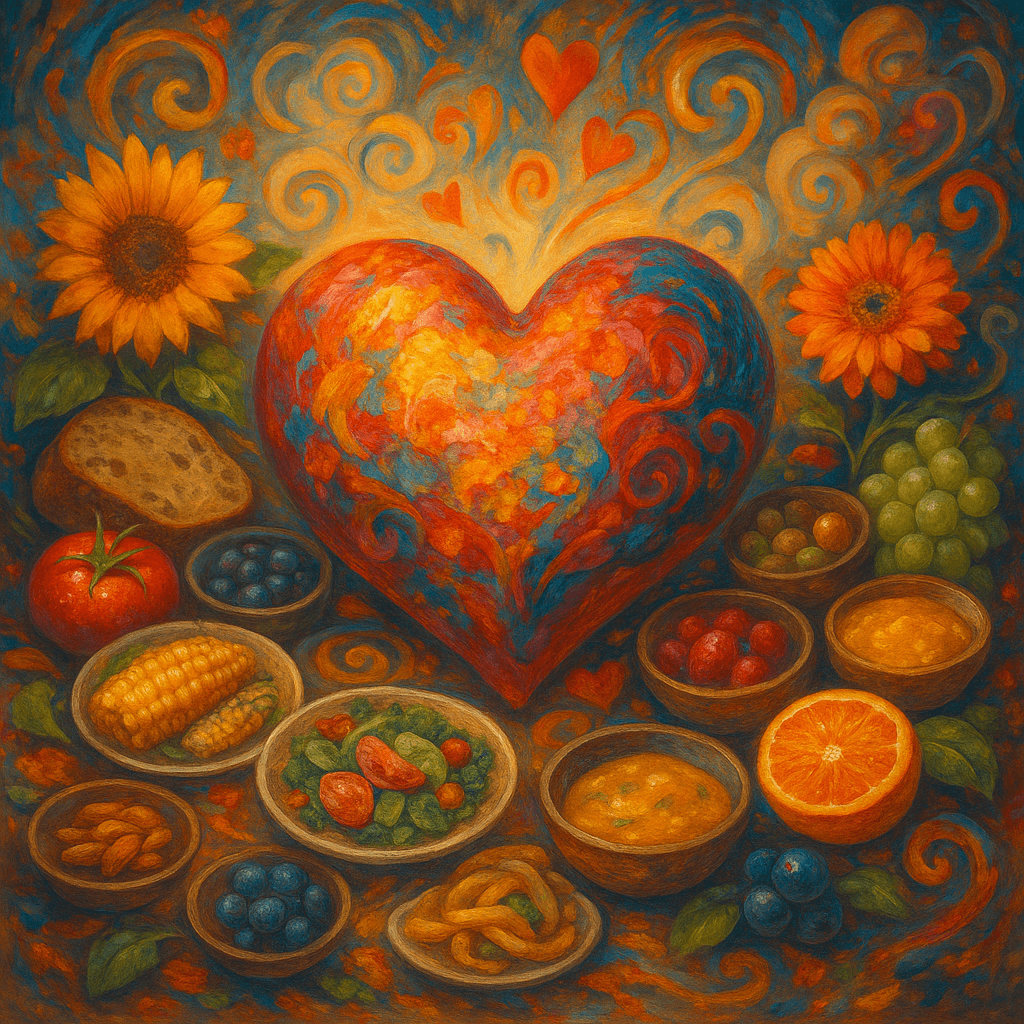
The heart, like the stomach, wants a varied diet. — Gustave Flaubert
—What lingers after this line?
Flaubert’s Culinary Metaphor
Flaubert’s witty comparison likens emotional fulfillment to physical nourishment, suggesting that just as our stomachs require a range of foods, our hearts crave a spectrum of feelings and experiences. This metaphor not only frames emotions as essential sustenance but also hints at the dangers of monotony in our inner lives, which, over time, can lead to emotional malnourishment.
Desire for Emotional Diversity
Building on Flaubert’s idea, human psychology affirms that people seek out novelty not just in cuisine, but also in relationships, experiences, and creative pursuits. Studies in positive psychology, such as those by Barbara Fredrickson, reveal that exposure to varied emotional states—joy, anticipation, even sadness—can enhance well-being and resilience. Thus, emotional variety acts as a vital ingredient in the recipe for a fulfilling life.
Monotony Versus Enrichment
Nevertheless, focusing exclusively on any single kind of emotional sustenance mirrors the risks of a diet lacking key nutrients. Consider Dostoevsky’s characters in 'The Brothers Karamazov,' who flounder in existential malaise when denied rich emotional experiences. This stagnation ultimately underscores the importance of change and contrast as means of personal growth.
Cultural Celebrations of Emotional Plurality
Many cultures recognize festivals and rituals as ways to stir a spectrum of emotions—from ecstatic joy to solemn reflection. For instance, India’s Holi celebrates abandon and playfulness, while Japan’s Obon invokes reverence and nostalgia. These traditions intentionally orchestrate emotional diversity, feeding hearts with a full menu of feelings, much as Flaubert prescribes.
Finding Balance in Emotional Consumption
Ultimately, Flaubert’s analogy serves as a reminder to embrace both familiar comforts and new emotional experiences. Like balancing meals for health, consciously seeking out varied emotional interactions—be it through travel, art, or relationships—protects against the dullness of routine and fosters a richer, more satisfying inner life. The heart, it seems, truly thrives on a varied emotional diet.
One-minute reflection
What does this quote ask you to notice today?
Related Quotes
4 selectedYou don't make art out of good intentions. — Gustave Flaubert
Gustave Flaubert
At first glance, Gustave Flaubert’s remark sounds severe, yet its force lies in its refusal to confuse moral sincerity with artistic achievement. Good intentions may motivate a person to create, but intention by itself d...
Read full interpretation →Everything that is beautiful and noble is the result of long dedication and painstaking effort. — Gustave Flaubert
Gustave Flaubert
Flaubert’s sentence rejects the fantasy of effortless brilliance. At its heart, it argues that whatever we call beautiful or noble does not simply appear through talent or inspiration; rather, it is shaped slowly through...
Read full interpretation →Talent is a long patience, and originality an effort of will and intense observation. — Gustave Flaubert
Gustave Flaubert
Gustave Flaubert’s statement begins by challenging the popular view of talent as a mystical gift. Instead, he frames talent as 'a long patience'—suggesting that what we often interpret as innate ability is, in reality, e...
Read full interpretation →Be steady and well-ordered in your life so that you can be fierce and original in your work. — Gustave Flaubert
Gustave Flaubert
Gustave Flaubert's advice points to a compelling dichotomy: stability in personal affairs lays the groundwork for daring innovation in one’s work. Rather than viewing discipline and creativity as opposing forces, Flauber...
Read full interpretation →More From Author
More from Gustave Flaubert →You don't make art out of good intentions. — Gustave Flaubert
At first glance, Gustave Flaubert’s remark sounds severe, yet its force lies in its refusal to confuse moral sincerity with artistic achievement. Good intentions may motivate a person to create, but intention by itself d...
Read full interpretation →Everything that is beautiful and noble is the result of long dedication and painstaking effort. — Gustave Flaubert
Flaubert’s sentence rejects the fantasy of effortless brilliance. At its heart, it argues that whatever we call beautiful or noble does not simply appear through talent or inspiration; rather, it is shaped slowly through...
Read full interpretation →Talent is a long patience, and originality an effort of will and intense observation. — Gustave Flaubert
Gustave Flaubert’s statement begins by challenging the popular view of talent as a mystical gift. Instead, he frames talent as 'a long patience'—suggesting that what we often interpret as innate ability is, in reality, e...
Read full interpretation →Be steady and well-ordered in your life so that you can be fierce and original in your work. — Gustave Flaubert
Gustave Flaubert's advice points to a compelling dichotomy: stability in personal affairs lays the groundwork for daring innovation in one’s work. Rather than viewing discipline and creativity as opposing forces, Flauber...
Read full interpretation →