
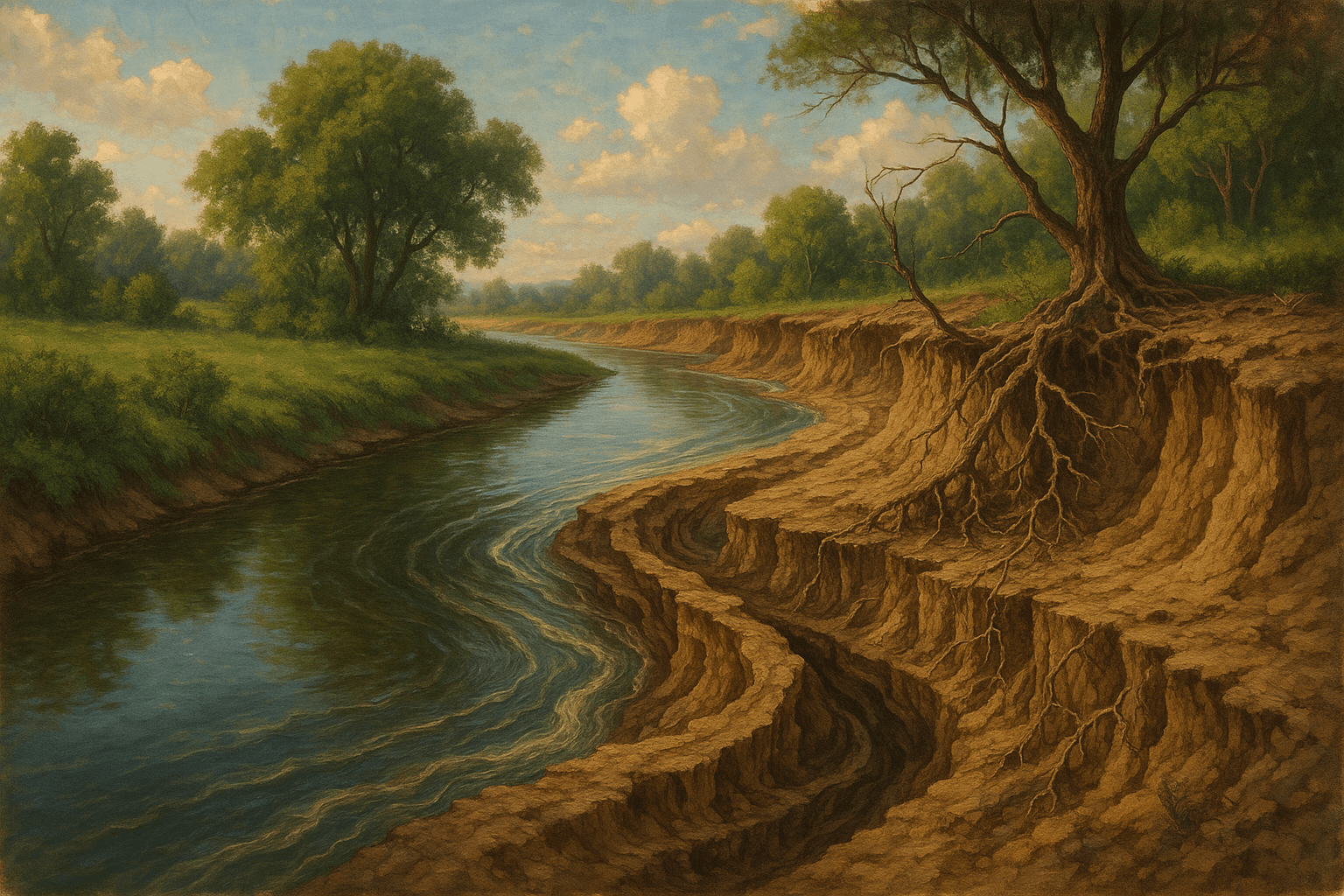
Act as a river does, gently flowing yet powerful enough to reshape the landscape. — Native American Saying
—What lingers after this line?
A Metaphor for Enduring Influence
This Native American saying introduces the river as a potent metaphor for life’s quiet yet transformative power. On the surface, a river appears gentle—its waters flowing effortlessly through valleys and plains. But beneath this calm lies an undeniable force, one that, over time, carves canyons, nourishes lands, and shapes the very world around it. In comparing human action to the river’s patient persistence, the proverb invites us to reflect on the nature of true strength.
Gentleness as a Form of Power
Building on this idea, gentleness emerges not as weakness but as a subtle, enduring form of power. Rather than resorting to brute force, the river’s influence lies in its consistency and adaptability. Much like the teachings found in Laozi’s *Tao Te Ching* (c. 4th century BC)—where water is exalted for yielding yet overcoming the hard—this wisdom emphasizes that persistent, compassionate action can lead to profound change.
Transformation Through Patience
Transitioning from strength to strategy, the river’s slow reshaping of the landscape illustrates the value of patience. Rivers do not rush; they meander, shift paths, and persist for generations. Similarly, personal and societal growth often require time and perseverance. As seen in the stories of Indigenous communities, progress unfolds through steady commitment and unwavering hope, rather than short bursts of intensity.
Resilience Amidst Obstacles
Naturally, rivers encounter rocks, dams, and droughts. Yet, they find a way to flow around or over obstacles, never abandoning their journey. This serves as a powerful reminder that resilience doesn’t always mean direct confrontation. Instead, as in the resilience traditions of the Cherokee or Lakota peoples, those who adapt in the face of adversity can still reach their goals—echoing the river’s unwavering path through the land.
Carrying Forward the Wisdom
Finally, applying the river’s lesson to everyday life fosters a balanced approach—where gentle intent aligns with persistent effort. Like the river, individuals and communities can enact enduring change by maintaining steady values and compassionate actions. The Native American saying thus becomes a timeless guide: one can be both gentle and transformative, patiently shaping not only personal destinies but the broader landscape of humanity.
Recommended Reading
As an Amazon Associate, we earn from qualifying purchases.
One-minute reflection
What's one small action this suggests?
Related Quotes
6 selectedOur only security is our ability to change. — John Lilly
John Lilly
At first glance, John Lilly’s statement sounds contradictory: security usually implies stability, while change suggests uncertainty. Yet his insight reverses that assumption by arguing that real safety does not come from...
Read full interpretation →It is common sense to take a method and try it. If it fails, admit it frankly and try another. But above all, try something. — Franklin D. Roosevelt
Franklin D. Roosevelt
Franklin D. Roosevelt’s statement champions a practical mindset: when circumstances are difficult, waiting for flawless answers is often more dangerous than acting on an imperfect plan.
Read full interpretation →It is the set of the sails, not the direction of the wind that determines which way we will go. — Jim Rohn
Jim Rohn
Jim Rohn’s image of sails and wind turns a familiar scene into a philosophy of agency. At first glance, wind seems to control everything: it is invisible, powerful, and beyond human command.
Read full interpretation →To handle the rapid pace of change, treat your own well-being as a strategic capability rather than a luxury. — April Koh
April Koh
At first glance, April Koh’s quote challenges a common assumption: that well-being is something optional, reserved for quieter moments or personal indulgence. Instead, she reframes it as a strategic capability, meaning a...
Read full interpretation →The oak fought the wind and was broken, the willow bent when it must and survived. — Jodi Picoult
Jodi Picoult
At first glance, Picoult’s image contrasts two familiar trees to challenge our instinctive admiration for hardness. The oak appears powerful because it resists, while the willow seems weaker because it yields.
Read full interpretation →Instead of trying to return to how things were, build a flexible structure that can handle constant change. — Favor Mental Health
Favor Mental Health
The quote begins by challenging a common instinct: when life is disrupted, we often try to restore an earlier version of stability. Yet “how things were” is usually a moving target, shaped by circumstances that may not r...
Read full interpretation →More From Author
More from Native American Saying →