
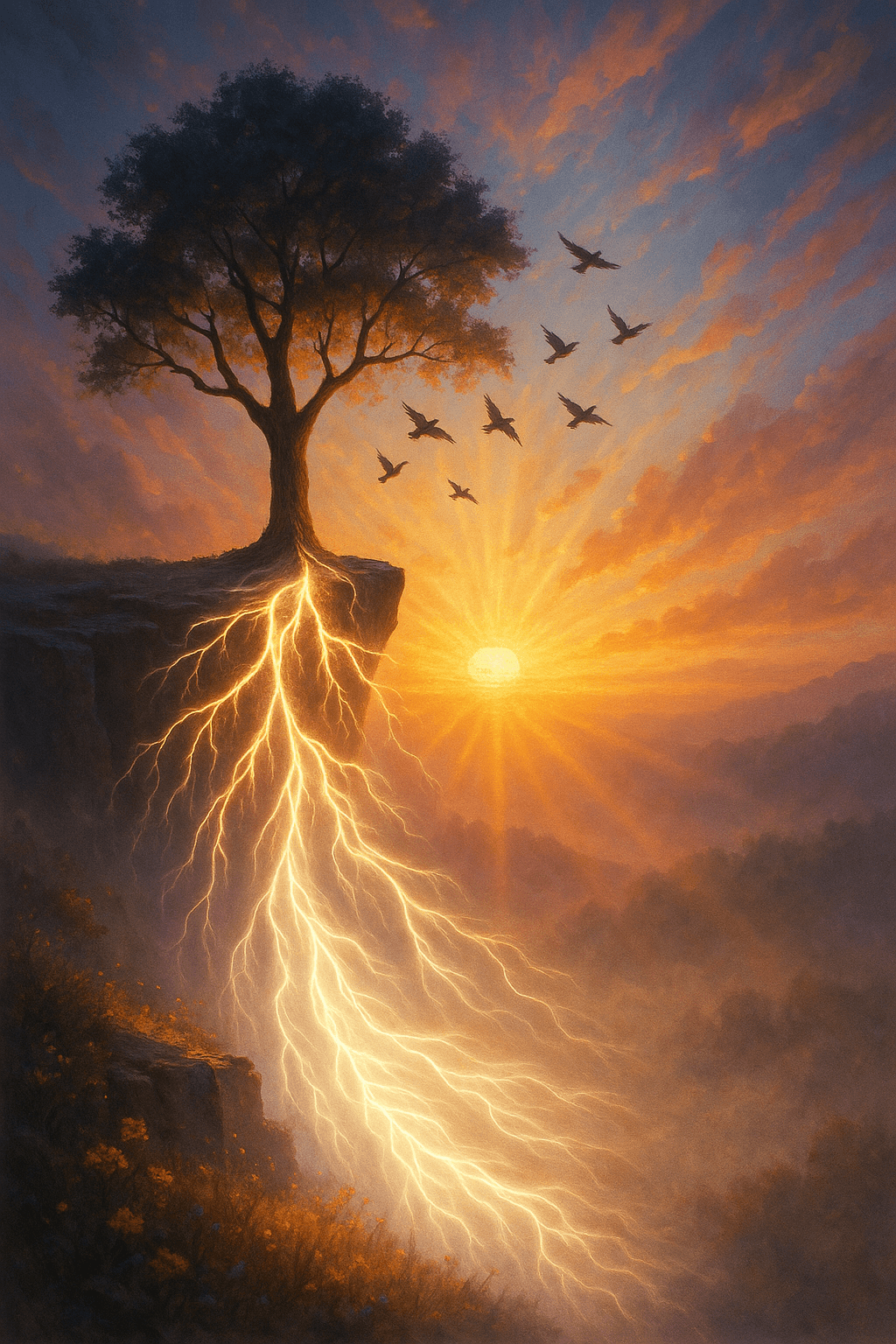
To empower oneself is to liberate the entire soul. — bell hooks
—What lingers after this line?
Understanding Empowerment and Liberation
To begin, bell hooks’ insight emphasizes that empowerment is more than external achievement; it is an inner transformation that touches every facet of our being. When she speaks of 'liberating the entire soul,' hooks invokes a holistic vision wherein personal agency unlocks the deepest wells of human potential. This perspective reframes empowerment as a process of recovering one's freedom, dignity, and wholeness.
Historical Context of Self-Empowerment
Tracing this idea through history, we see its resonance in the writings of early feminist and civil rights leaders. bell hooks herself, notably in works like 'Ain’t I a Woman' (1981), critiques systems of oppression and champions the transformative power of self-assertion. By situating individual empowerment within collective struggle, she links personal liberation with broader movements for justice, illustrating that empowered individuals inspire and uplift entire communities.
The Role of Self-Discovery
Moving forward, the journey to empowerment often begins with self-discovery. In texts like '#Sisterhood: Political Solidarity between Women' (1986), hooks argues that naming one’s experiences and reclaiming one’s voice are essential steps toward self-actualization. This process not only frees the individual from internalized oppression but also kindles a sense of inner peace and authenticity, embodying the ‘liberation’ of the soul that hooks describes.
Interconnectedness of Personal and Collective Freedom
Furthermore, bell hooks insists that personal liberation is inseparable from collective emancipation. As observed in ‘Teaching to Transgress’ (1994), she explores how classrooms can become spaces of mutual empowerment, fostering environments where all present can access deeper levels of freedom. This interconnectedness suggests that personal acts of empowerment ripple outward, catalyzing social change and enabling broader communal liberation.
Living a Liberated Life
Ultimately, hooks invites us to view empowerment as a lifelong practice. When individuals cultivate self-love, critical awareness, and resilience, they not only transform their inner worlds but also serve as beacons for others. Through these acts—both subtle and bold—the liberation of the soul becomes a shared, contagious force, illuminating the path to collective healing and growth.
One-minute reflection
What feeling does this quote bring up for you?
Related Quotes
6 selectedNothing is powerful unless you empower it. — Epictetus
Epictetus
At first glance, Epictetus reduces power to a surprisingly intimate scale: things do not rule us on their own; they gain force when we grant them importance, fear, or authority. As a Stoic philosopher teaching in the ear...
Read full interpretation →Happiness is an inside job. Don't assign anyone else that much power over your life. — Mandy Hale
Mandy Hale
Mandy Hale’s line turns happiness from a reward granted by others into a responsibility we carry ourselves. At its heart, the quote argues that emotional well-being cannot rest securely in another person’s approval, atte...
Read full interpretation →Take action, and you will find your power. — Junaid Jamshed
Junaid Jamshed
This quote emphasizes that taking decisive action is key to discovering one's own strength and capabilities. It suggests that power is something that must be actively sought rather than passively awaited.
Read full interpretation →Give yourself permission to be great. — Jim Kouzes
Jim Kouzes
This quote emphasizes the idea that greatness begins with self-acceptance and believing in one's abilities. Allowing yourself to embrace your potential is the first step toward achieving greatness.
Read full interpretation →If you're searching for that one person that will change your life, take a look in the mirror. — Gabrielle Bernstein
Gabrielle Bernstein
This quote emphasizes the idea that we often look for external figures to transform our lives, but in reality, we hold the power to change ourselves. It encourages individuals to recognize their own agency in creating me...
Read full interpretation →The limitations you embrace become your boundaries; break them and you unleash your true potential. — Akinwale Arobieke
Akinwale Arobieke
The quote emphasizes how the limitations we accept or impose on ourselves become the barriers that prevent us from reaching our full potential. It suggests that personal growth is hindered when we internally restrict our...
Read full interpretation →More From Author
More from bell hooks →Your presence is a form of resistance against a culture that profits from your isolation. Show up for those you love, even when it is inconvenient. — bell hooks
At first glance, bell hooks reframes something ordinary—being present for others—as a political and moral act. Her words suggest that care is not merely private sentiment; rather, it pushes back against a social order th...
Read full interpretation →If you don't build your own sanctuary, you will spend your life living in the wreckage of someone else's expectations. — Bell Hooks
Bell hooks frames sanctuary as more than a physical refuge; it is an inner and outer space where a person can live by values they have consciously chosen. At first glance, the quote sounds like a warning about independen...
Read full interpretation →The art of living is a constant process of refining one's own sanctuary against the tide of external expectations. — bell hooks
At its core, bell hooks presents living not as a finished achievement but as a continuous act of shaping and reshaping the self. The phrase “constant process” suggests that identity, peace, and integrity are never perman...
Read full interpretation →Quiet confidence is not about what you say, but about the space you hold for yourself when the world gets loud. — bell hooks
At first glance, bell hooks shifts confidence away from performance and toward presence. She suggests that real assurance is not measured by how forcefully someone speaks, but by how steadily they remain grounded when ex...
Read full interpretation →