
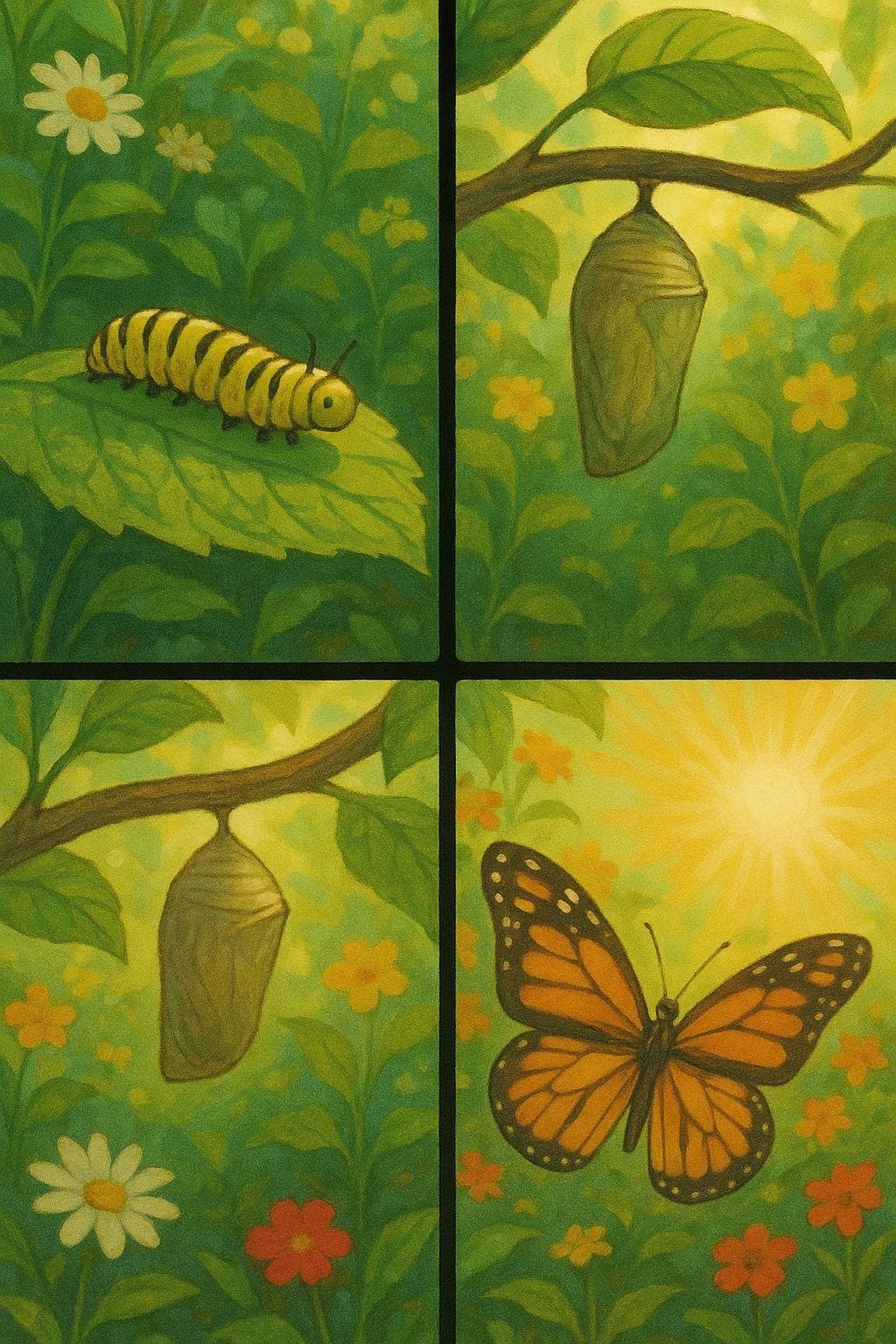
Freedom means the opportunity to be what we never thought we would be. — Daniel J. Boorstin
—What lingers after this line?
Embracing the Surprise of Self-Discovery
Daniel J. Boorstin’s insight reframes freedom as more than simple autonomy; it is the space where unforeseen possibilities for self-realization emerge. He suggests that true freedom lies not just in doing as we wish, but in encountering dimensions of ourselves previously unimaginable. This understanding invites us to see liberation as a process that continually reshapes our identity.
Historical Reflections on Unanticipated Potential
Looking through history, periods of great societal freedom have often sparked bursts of creativity and transformation. The Renaissance, for example, unleashed talents and ideas in individuals—from artists like Leonardo da Vinci to explorers like Christopher Columbus—who exceeded what their origins or society might have predicted. This illustrates Boorstin’s thesis: freedom cultivates fertile ground for the unexpected to flourish.
Literary Examples of Redefining the Self
Literature abounds with stories of characters who, when granted freedom, discover abilities or purposes once unimaginable. Consider Viktor Frankl in 'Man's Search for Meaning' (1946), who found profound psychological freedom amid physical captivity, or Jane Eyre in Charlotte Brontë’s novel (1847), who continually surprises herself by acting against convention. These tales reflect the exhilarating unpredictability that Boorstin associates with freedom.
Psychological Growth Beyond Limits
On a psychological level, studies in positive psychology emphasize how environments of freedom encourage individuals to transcend self-imposed boundaries. Carl Rogers, a leading humanistic psychologist, posited that when people experience acceptance and autonomy, they naturally move toward self-actualization—often realizing talents, passions, or resilience that were previously dormant or unrecognized.
Encouraging Openness to the Unknown
Ultimately, Boorstin’s perspective challenges us to remain open to change—not just in our external circumstances, but within ourselves. Freedom, according to this view, is a catalyst for evolving into the unforeseen. By embracing new opportunities, even those we never anticipated, we honor both the unpredictability and the richness inherent in a truly free life.
One-minute reflection
What's one small action this suggests?
Related Quotes
6 selectedGive up defining yourself—to yourself or to others. You won't die. You will come to life. — Eckhart Tolle
Eckhart Tolle
At its core, Eckhart Tolle’s statement urges us to loosen our grip on the identities we constantly construct. We define ourselves through profession, status, history, beliefs, and even wounds, imagining that these descri...
Read full interpretation →The best day of your life is the one on which you decide your life is your own. No apologies or excuses. — Elaine Maxwell
Elaine Maxwell
Elaine Maxwell’s quote frames transformation not as something that happens to us, but as a decision we make. The ‘best day’ is not defined by luck, wealth, or praise; instead, it begins when a person accepts full ownersh...
Read full interpretation →Discipline is not about being harsh with yourself; it is about aligning your actions with your purpose. It is a quiet form of freedom. — Ryan Holiday
Ryan Holiday
At first glance, discipline is often mistaken for punishment, deprivation, or relentless self-criticism. Ryan Holiday’s quote overturns that assumption by presenting discipline as a gentler, more intentional force: the p...
Read full interpretation →If you want to be free, be free. If you are chained, you are chained. But don't tell me you are free while wearing shackles. — Khalil Gibran
Khalil Gibran
Gibran’s words begin with a blunt distinction: freedom is real, and bondage is real, but confusion between them is a form of dishonesty. He is not merely speaking about physical captivity; rather, he is confronting the h...
Read full interpretation →I'll tell you what freedom is to me: no fear. I mean really, no fear! — Nina Simone
Nina Simone
Nina Simone’s line refuses abstractions and replaces them with something bodily and immediate: fearlessness. By saying “I’ll tell you what freedom is to me,” she frames freedom not as a slogan or a legal condition but as...
Read full interpretation →Why do you stay in prison when the door is so wide open? — Rumi
Rumi
Rumi’s line, “Why do you stay in prison when the door is so wide open?” confronts the listener with an unsettling possibility: that confinement is not always imposed from outside. Instead of offering comfort, he offers a...
Read full interpretation →More From Author
More from Daniel J. Boorstin →