
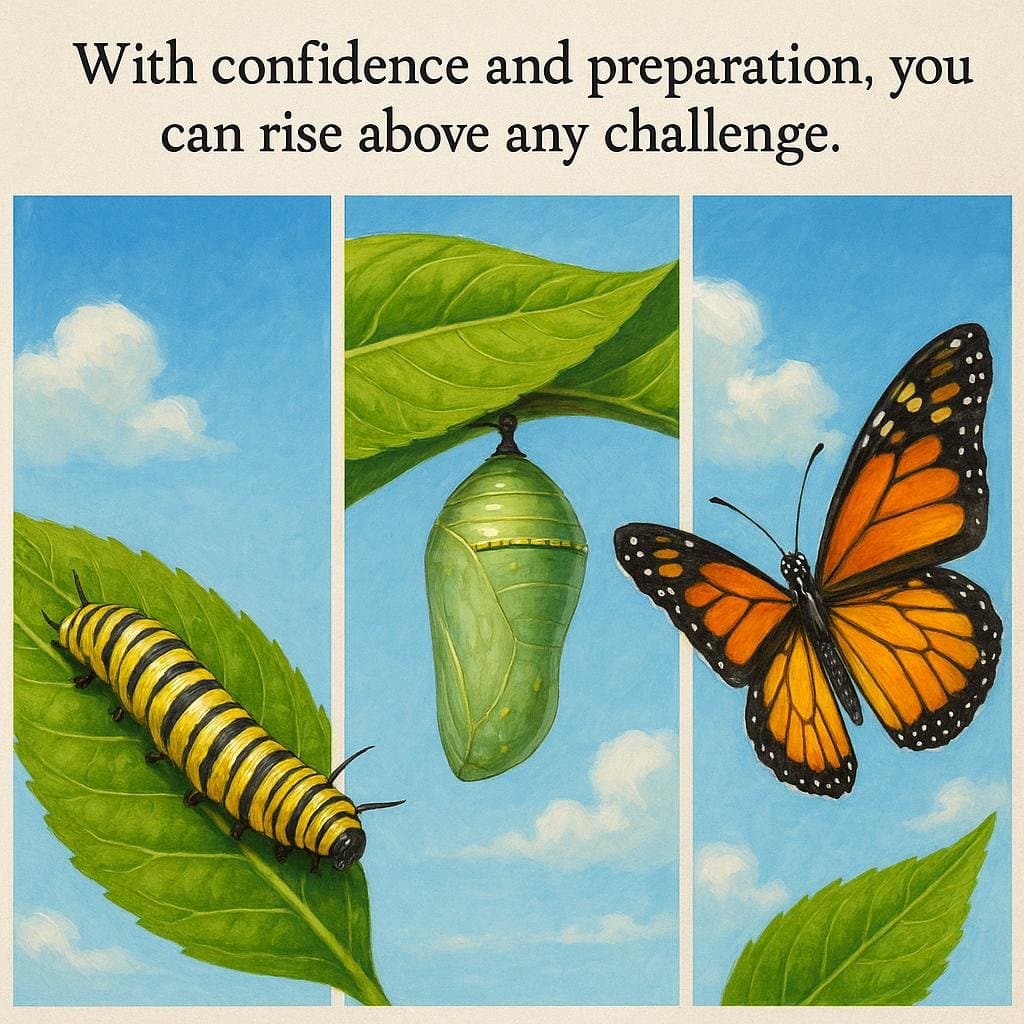
Confidence is preparation. Everything else is beyond your control. — Richard Kline
—What lingers after this line?
Defining Confidence Through Preparation
Richard Kline’s quote draws a clear distinction between what we can influence—our level of preparation—and what lies outside our command. According to Kline, confidence is not an innate trait or merely a feeling; rather, it is the direct product of purposeful preparation. This perspective reframes confidence as actionable and accessible, regardless of one’s starting point.
Preparation and its Psychological Impact
Linked to this notion, psychological studies highlight the relationship between preparation and reduced anxiety. When individuals invest time in honing their skills, they report increased self-assurance and diminished fear of failure. For example, athletes and performers frequently attribute their poise under pressure to hours spent in rehearsal, echoing Kline’s assertion that readiness breeds confidence.
Historical Anecdotes: Preparation Precedes Triumph
Moving beyond abstraction, history offers vivid examples. Abraham Lincoln is said to have spent countless evenings editing and re-editing his speeches, believing thorough preparation was his shield against uncertainty. Such diligence paid off, enabling him to respond to unpredictability with calm resolve—a testament to Kline’s message.
Accepting the Limits of Control
Still, Kline reminds us that no amount of preparation guarantees outcomes. External factors—luck, timing, or others’ actions—will always shape results. This humility is critical: it encourages us to focus energy on what’s within reach while accepting the unpredictability of life. By letting go of what we cannot control, we free ourselves to perform at our best.
Practical Applications for Everyday Life
Ultimately, whether tackling exams, job interviews, or new challenges, Kline’s wisdom holds universal relevance. By prioritizing thorough preparation and releasing anxiety about the uncontrollable, individuals can approach each endeavor with genuine confidence. In doing so, they unlock the potential to excel—despite whatever uncertainties may arise.
One-minute reflection
What feeling does this quote bring up for you?
Related Quotes
6 selectedThe best preparation for tomorrow is doing your best today. — H. Jackson Brown Jr.
H. Jackson Brown Jr.
This quote emphasizes the importance of concentrating on your current actions. By giving your best effort today, you are effectively preparing yourself for future challenges and opportunities.
Read full interpretation →One important key to success is self-confidence. An important key to self-confidence is preparation. — Arthur Ashe
Arthur Ashe
This quote emphasizes that self-confidence is a crucial element in achieving success. Without belief in oneself, it is difficult to overcome challenges, make decisions, and take risks necessary for success.
Read full interpretation →Confidence is not absence of fear; it is the quiet recognition that you have survived every hard day so far. — Michelle Obama
Michelle Obama
At first glance, confidence is often mistaken for boldness without hesitation, yet Michelle Obama’s words gently overturn that myth. She frames confidence not as the absence of fear, but as a steadier inner knowledge: yo...
Read full interpretation →Confidence doesn't mean being fearless. It means creating, even when your hands shake. — Lisa Golightly
Lisa Golightly
At first glance, Lisa Golightly’s quote overturns a common myth: that confident people move through life without fear. Instead, she presents confidence as action taken in spite of fear, not in the absence of it.
Read full interpretation →Don't be intimidated by what you don't know. That can be your greatest strength. — Sara Blakely
Sara Blakely
At first glance, Sara Blakely’s quote sounds like a simple encouragement, yet it points to a deeper truth: ignorance is not always a weakness. When people are not trapped by assumptions about how things are “supposed” to...
Read full interpretation →Confidence doesn't mean being fearless. Confidence is knowing you are capable of handling the fear. — Amy Poehler
Amy Poehler
At first glance, people often imagine confidence as a polished kind of fearlessness, as though brave individuals simply do not tremble. Amy Poehler’s quote overturns that myth by suggesting that confidence begins not wit...
Read full interpretation →More From Author
More from Richard Kline →