
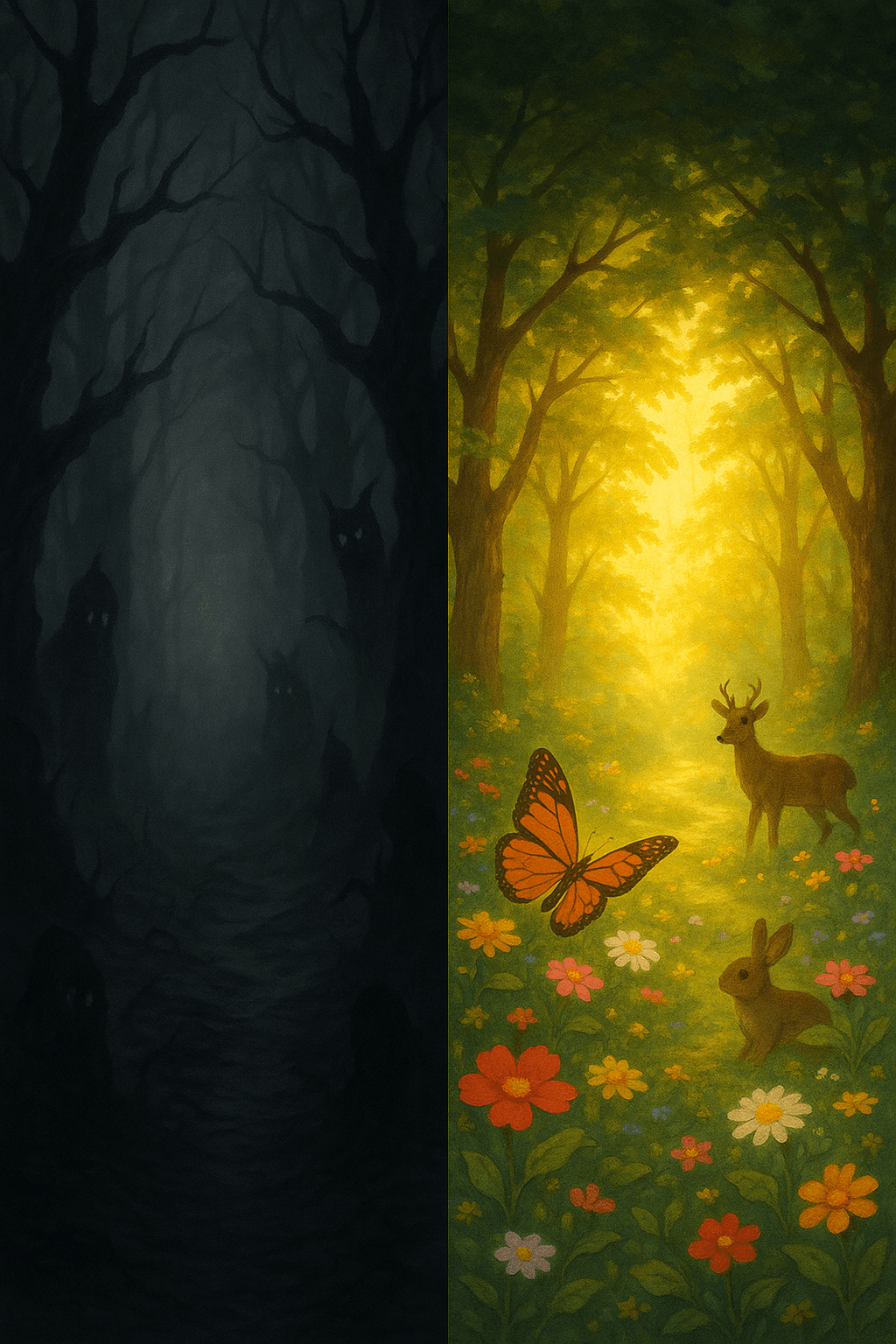
Fear is the main source of superstition, and one of the main sources of cruelty. — Bertrand Russell
—What lingers after this line?
Fear as a Psychological Driver
This quote suggests that fear heavily influences human thinking and behavior.
Origin of Superstition
Superstitions often arise as people try to explain or control what frightens them.
Link to Cruelty
Fear can also drive people to act cruelly, either to protect themselves or out of misunderstanding.
Societal Impacts
On a larger scale, societies may embrace superstition or commit acts of cruelty due to collective fears.
Philosophical Context
Bertrand Russell, a philosopher, often explored how emotions like fear impact rational thought.
One-minute reflection
Why might this line matter today, not tomorrow?
Related Quotes
6 selectedYou don't have to bully yourself out of feeling fear. You just have to move while it's still there. — Annie Wright
Annie Wright
At its core, Annie Wright’s quote challenges the common belief that courage begins only after fear has disappeared. Instead, it reframes fear as something that can accompany action rather than prevent it.
Read full interpretation →The economy can take your money. A crisis can take your opportunities. But fear can take your judgment—and that is the loss most people never recover from. — Epictetus
Epictetus
At first glance, this saying draws a sharp line between what happens to us and what happens within us. Money can vanish in a recession, and opportunities can disappear when markets collapse, yet Epictetus argues that the...
Read full interpretation →The obsession with being 'productive' is just a mask for fear. True discipline is the courage to do what is necessary while leaving behind what is merely loud. — Ryan Holiday
Ryan Holiday
At first glance, Ryan Holiday’s quote challenges a deeply admired ideal: productivity. In many workplaces and digital spaces, being constantly busy is treated as proof of worth.
Read full interpretation →Perfectionism is a fear that kills more dreams, businesses, and joyful lives than I believe is countable. — Beth Kempton
Beth Kempton
At first glance, perfectionism can look like discipline, ambition, or high standards. Yet Beth Kempton’s quote reframes it as something darker: a form of fear that disguises itself as virtue.
Read full interpretation →I have accepted fear as part of life, especially the fear of change. I have gone ahead despite the pounding in the heart that says: turn back. — Erica Jong
Erica Jong
Erica Jong’s statement begins with an act of realism rather than defeat: she does not claim to conquer fear, only to accept it as part of life. That distinction matters, because it shifts courage away from fearlessness a...
Read full interpretation →To overcome fear is the beginning of wisdom. — Bertrand Russell
Bertrand Russell
This quote highlights the idea that fear can be a significant barrier to personal growth and understanding. By facing and overcoming fear, individuals can pave the way for deeper insights and wisdom.
Read full interpretation →More From Author
More from Bertrand Russell →We need, above all things, to slow down and get ourselves to amble through life instead of to rush through it. — Bertrand Russell
At its core, Bertrand Russell’s remark argues that the speed of modern life can become a form of self-impoverishment. To rush through existence is not merely to move quickly; it is to miss texture, reflection, and the qu...
Read full interpretation →One must care about a world one will never see. — Bertrand Russell
At its core, Bertrand Russell’s line asks us to stretch our concern beyond immediate experience. To care about a world one will never see is to recognize that moral responsibility does not end with personal benefit or ev...
Read full interpretation →The trouble with always trying to preserve the health of the body is that it's so difficult to do without destroying the health of the mind. — Bertrand Russell
Bertrand Russell’s remark points to a subtle danger in the pursuit of physical well-being: the body can become such an object of vigilance that it crowds out mental freedom. In other words, health ceases to be a foundati...
Read full interpretation →The world is full of magical things patiently waiting for our wits to grow sharper. — Bertrand Russell
This quote suggests that the world is brimming with fascinating and magical elements that are not immediately obvious to us but are waiting to be discovered as our understanding and perception improve.
Read full interpretation →