
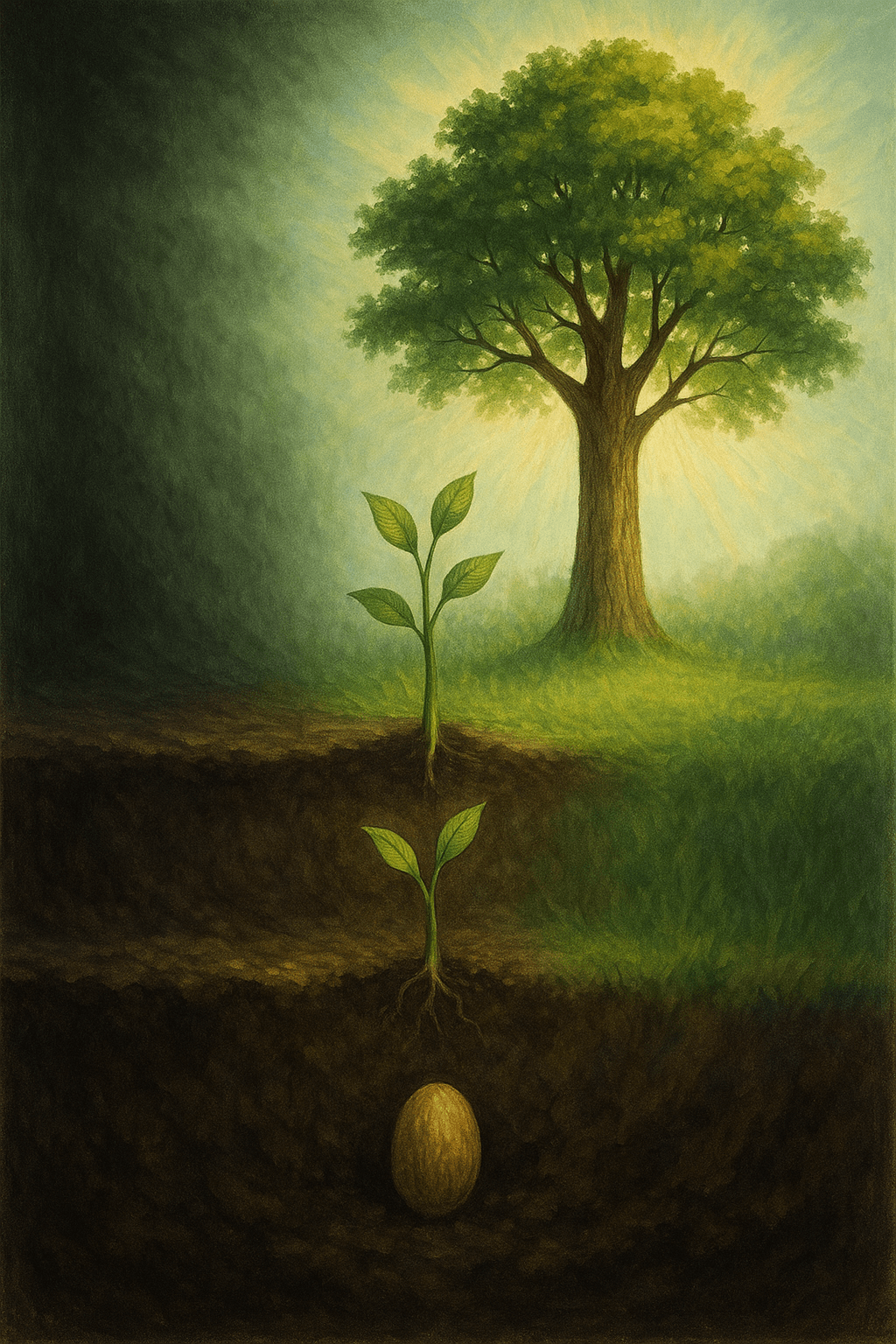
One of the most courageous things you can do is identify yourself, know who you are, what you believe in, and where you want to go. — Sheila Murray Bethel
—What lingers after this line?
Defining Personal Courage
Sheila Murray Bethel’s statement reframes courage from merely facing external challenges to the profound act of self-understanding. Instead of equating courage solely with heroic deeds, Bethel highlights the quiet bravery required to look inward, confront personal truths, and own one’s identity. This redefinition expands our understanding of courage beyond the battlefield or spotlight and into the realm of introspection.
The Importance of Self-Identification
Building upon this foundation, identifying oneself is not a passive process but an intentional journey. In ancient philosophy, the maxim "know thyself" inscribed at the Temple of Apollo at Delphi reminds us that self-knowledge is the gateway to wisdom. Recognizing one’s strengths, weaknesses, and unique qualities forms the bedrock of authentic living, making it possible to engage honestly with the world.
Clarifying Core Beliefs
Knowing who you are naturally leads to clarifying what you believe in. During turbulent times, people like Nelson Mandela clung steadfastly to their principles despite immense pressure to conform. Such conviction provides moral direction, filters external influence, and fortifies individuals against the shifting tides of peer and societal expectations. Thus, the process of articulating one’s beliefs is both an act of self-respect and resilience.
Setting Purposeful Direction
Transitioning from belief to action, it’s essential to determine where you want to go. Setting goals and envisioning a future imbued with personal meaning creates momentum for growth. Viktor Frankl, in his seminal work ‘Man’s Search for Meaning’ (1946), demonstrated that having a sense of purpose is key to surviving and thriving even under dire circumstances. This clarity charts a course, lighting the way through uncertainty.
Integrating Identity, Belief, and Aspiration
Ultimately, the integration of self-knowledge, belief, and purpose forms a resilient, coherent sense of self. This synergy empowers individuals to navigate life with authenticity and courage. As each element supports the others, the journey toward self-discovery becomes not only possible but transformative—enabling people to engage with life’s challenges from a place of strength and unwavering self-assurance.
One-minute reflection
Where does this idea show up in your life right now?
Related Quotes
6 selectedThe best people possess a feeling for beauty, the courage to take risks, the discipline to tell the truth, the capacity for sacrifice. — Ernest Hemingway
Ernest Hemingway
Hemingway’s line presents goodness not as politeness or success, but as a demanding inner code. The “best people” are those who combine sensitivity, bravery, honesty, and self-denial—qualities that do not always coexist...
Read full interpretation →If you are not willing to look stupid, nothing great is ever going to happen to you. — Julia Cameron
Julia Cameron
Julia Cameron’s remark begins with a hard truth: many people do not fail because they lack talent, but because they fear embarrassment. In that sense, ‘looking stupid’ becomes shorthand for being seen trying, stumbling,...
Read full interpretation →You don't have to bully yourself out of feeling fear. You just have to move while it's still there. — Annie Wright
Annie Wright
At its core, Annie Wright’s quote challenges the common belief that courage begins only after fear has disappeared. Instead, it reframes fear as something that can accompany action rather than prevent it.
Read full interpretation →For what matters in life is not whether we receive a round of applause; what matters is whether we have the courage to venture forth despite the uncertainty of acclaim. — Amor Towles
Amor Towles
At its core, Amor Towles shifts attention away from public approval and toward private resolve. The quote argues that a life’s value is not determined by applause—those visible signs of recognition—but by the willingness...
Read full interpretation →Confidence doesn't mean being fearless. It means creating, even when your hands shake. — Lisa Golightly
Lisa Golightly
At first glance, Lisa Golightly’s quote overturns a common myth: that confident people move through life without fear. Instead, she presents confidence as action taken in spite of fear, not in the absence of it.
Read full interpretation →Screw your courage to the sticking-place. — William Shakespeare
William Shakespeare
At its core, Shakespeare’s line is a vivid call to steady oneself before decisive action. In Macbeth (c.
Read full interpretation →More From Author
More from Sheila Murray Bethel →