
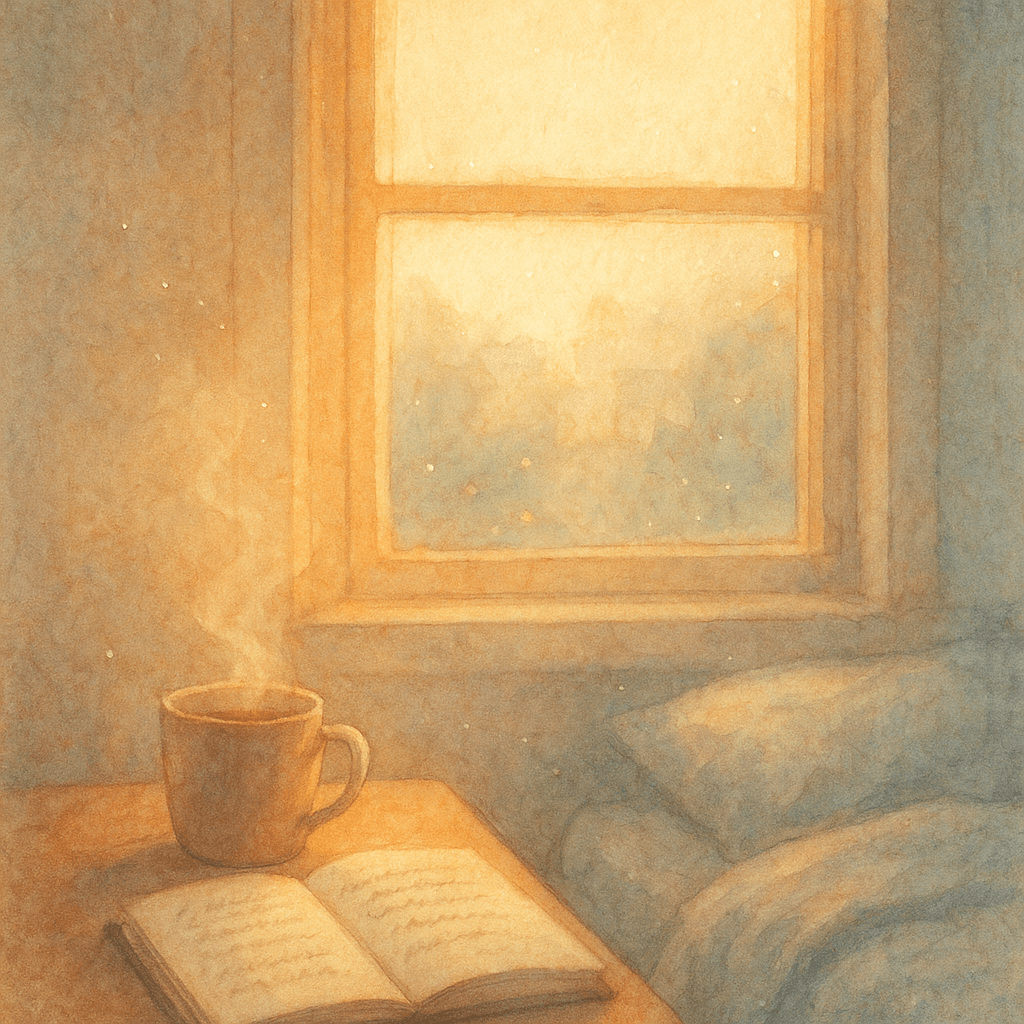
Sing the small courage that makes mornings brave — Sappho
—What lingers after this line?
A Quiet Invocation of Everyday Bravery
Sappho’s line, “Sing the small courage that makes mornings brave,” invites attention not to grand heroics but to the modest, often invisible acts that begin each day. Rather than glorifying battlefield valor or sweeping sacrifice, the request is to “sing” of the private, ordinary resolve that allows a person simply to rise, to face the light again, and to continue. In shifting the focus from monumental to miniature forms of courage, the quote elevates the intimate struggles that shape a human life.
From Epic Deeds to Intimate Acts
Classical literature is filled with towering heroes—Homer’s Achilles and Odysseus dominate the stage with dramatic feats. By contrast, Sappho, writing from the island of Lesbos in the 7th–6th century BC, often turned her gaze toward the personal and domestic, granting lyrical dignity to fleeting moments and quiet feelings. Within that tradition, “small courage” becomes worthy of song in the same way a battlefield might be: getting out of bed while grieving, walking into an uncertain job, or choosing kindness despite exhaustion all represent understated, yet profound, acts of resolve.
The Moral Weight of Beginning Again
Morning, in this line, symbolizes beginning—not only in a literal sense but as a daily moral test. Each dawn demands decisions about how we will respond to our fears, regrets, and hopes. Sappho’s imagined singer recognizes that to begin again after disappointment, illness, or loss is not trivial; it is a moral achievement. Much like in Marcus Aurelius’s *Meditations* (2nd c. AD), where each day is framed as a renewed opportunity for virtue, this courage lies in choosing to meet the day at all, instead of retreating permanently into despair.
Why ‘Small’ Does Not Mean Insignificant
By calling this bravery “small,” the line does not belittle it; rather, it emphasizes scale and visibility. These acts rarely attract praise or poetry, yet they accumulate into a life lived with persistence. Psychological research on resilience suggests that tiny, consistent behaviors—like maintaining a routine, reaching out to a friend, or going for a short walk—can gradually restore a sense of agency after hardship. Thus, the “small courage” Sappho names is structurally similar to what modern therapists call micro-acts of coping: individually modest, collectively transformative.
Making Room to Honor the Unseen
Finally, the imperative “sing” is itself important. It urges us not just to notice this quiet bravery but to celebrate it, to give it rhythm and voice. In much the same way that Sappho’s surviving fragments turn private love and longing into public art, this line calls for a new kind of anthem—one that praises the person who simply keeps going. By learning to honor the courage that wakes with us each day, we begin to understand heroism not as an exception, but as a recurring possibility woven into every ordinary morning.
One-minute reflection
What's one small action this suggests?
Related Quotes
6 selectedSing your small brave song; even a faint voice can change the room. — Sappho
Sappho
We begin with Sappho, whose lyric fragments reach us across millennia like quiet signals that still rearrange the air. Though much of her work survives only in tatters, the effect remains expansive: a few carefully place...
Read full interpretation →Courage doesn't always roar. Sometimes courage is the quiet voice at the end of the day saying, 'I will try again tomorrow.'
Unknown
This quote highlights the idea that courage is not always loud and conspicuous. It can manifest as a silent, inner strength that encourages persistence despite challenges and setbacks.
Read full interpretation →Sometimes the most radical act of courage is to simply slow down and refuse to be consumed by the urgency of the world. — Thich Nhat Hanh
Thich Nhat Hanh
At first glance, courage is often imagined as swift action, bold speech, or dramatic resistance. Yet Thich Nhat Hanh turns that assumption inside out by suggesting that bravery may lie in restraint: in slowing down when...
Read full interpretation →Practice patiently; mastery is the quiet result of repeated courage. — Langston Hughes
Langston Hughes
Langston Hughes frames patience not as passive waiting, but as a deliberate way of practicing that keeps you returning to the work. “Practice patiently” implies staying present with small improvements—showing up on the d...
Read full interpretation →Cultivate a private garden of resolve that flowers in quiet storms. — Emily Dickinson
Emily Dickinson
Emily Dickinson’s line invites us first to imagine the self as a walled garden, hidden from public view. In her poetry and letters, she often retreated to private spaces—her room, her Amherst home—as sites of intense inn...
Read full interpretation →Strength isn't loud. It's the quiet decision to keep going. — Hinata Hyuga, Naruto Series
Hinata Hyuga, Naruto Series
Hinata Hyuga’s words challenge a familiar misconception: that strength must be dramatic, visible, and loud. Instead, she points to an inward power that does not seek attention but reveals itself in persistence.
Read full interpretation →More From Author
More from Sappho →One's own self is well worth knowing. — Sappho
At first glance, Sappho’s brief statement seems simple, yet its force lies in its directness: the self is not a trivial subject but a worthy one. In a world that often rewards attention to status, duty, or appearance, he...
Read full interpretation →Sow a single clear word and let it bloom into a chorus. — Sappho
Sappho’s line begins by shrinking expression down to its smallest unit: a single clear word. The emphasis on clarity suggests intention rather than verbosity, as if meaning can be planted only when it is cleanly chosen.
Read full interpretation →Let desire fuel your craft but let kindness steady the heart. — Sappho
Sappho’s line sets up a deliberate pairing: desire as the engine of making, and kindness as the stabilizer of being. Desire pushes the artist toward intensity—toward risk, experimentation, and the hunger to shape experie...
Read full interpretation →Let your voice fracture the silence; even a small sound reshapes the air. — Sappho
Sappho’s line begins by treating silence not as emptiness, but as a kind of held breath—an atmosphere with shape and tension. When she urges, “Let your voice fracture the silence,” she implies that quiet has weight, and...
Read full interpretation →