
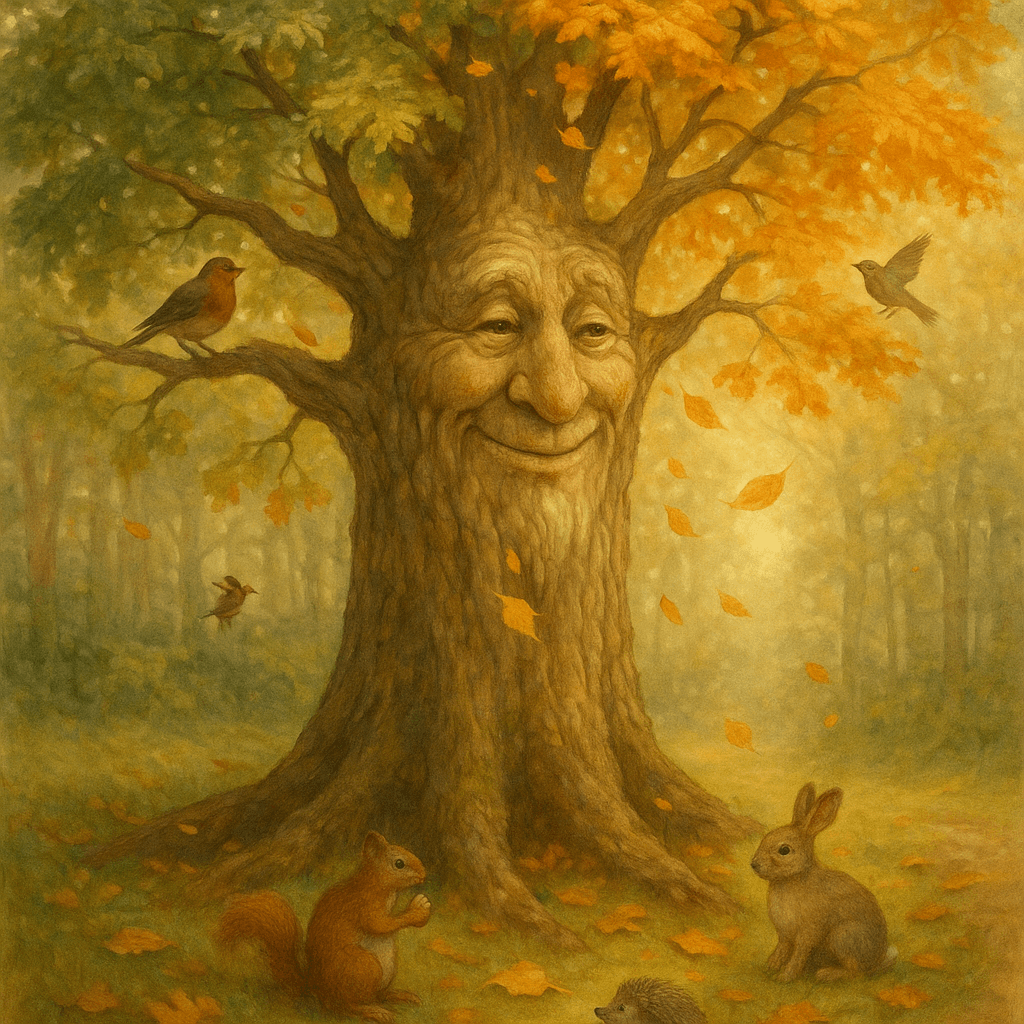
Wisdom ceases to be wisdom when it becomes too proud to weep, too grave to laugh, and too selfish to seek other than itself. — Khalil Gibran
—What lingers after this line?
Understanding Gibran’s Definition of Wisdom
Khalil Gibran’s reflection invites us to reconsider the essence of wisdom by emphasizing its vulnerability, playfulness, and altruism. He suggests that wisdom is not solely the accumulation of knowledge or the practice of restraint, but also the capacity for humility, levity, and self-transcendence. By drawing attention to the emotional and social dimensions of wisdom, Gibran expands the definition beyond solitary contemplation.
The Role of Humility in True Wisdom
Building on this foundation, Gibran warns that when wisdom becomes 'too proud to weep,' it loses touch with humanness. Ancient philosophers such as Socrates echoed this sentiment, asserting that true wisdom begins with recognizing one's limitations. The willingness to weep reflects a humility that keeps wisdom grounded, acknowledging the pain and joy present in the shared human experience.
The Importance of Joy and Levity
From humility, Gibran transitions to the value of laughter. Wisdom that becomes 'too grave to laugh' risks becoming rigid and inaccessible. Laughter breaks down barriers, fosters connection, and offers perspective in adversity. For example, in the Sufi tradition, humor is often employed as a method to unsettle dogma, reminding seekers that wisdom without joy becomes brittle and incomplete.
Selflessness as a Pillar of Wisdom
Additionally, Gibran’s critique of selfish wisdom resonates with teachings across cultures. The Buddhist concept of ‘bodhisattva’—seeking enlightenment for the benefit of all—highlights that wisdom is most potent when it serves others. Selfishness restricts the flow of insight, whereas compassion allows wisdom to act as a guiding light for the larger community.
Integrating Vulnerability, Joy, and Generosity
Ultimately, Gibran’s insights converge on a powerful point: wisdom must be dynamic and relational. By remaining open to weeping, laughter, and generous seeking, wisdom retains its vitality and relevance. In contemporary life, embracing this broader vision encourages ongoing self-reflection and growth, ensuring that our wisdom uplifts both ourselves and those around us.
Recommended Reading
As an Amazon Associate, we earn from qualifying purchases.
One-minute reflection
What does this quote ask you to notice today?
Related Quotes
6 selectedTo reach the heights of greatness, one must begin at the depths of humility. — Anonymous
Unknown
This quote emphasizes that achieving greatness is a process that starts with understanding and acknowledging one’s limitations and the value of humility.
Read full interpretation →Wisdom is oftentimes nearer when we stoop than when we soar. — William Wordsworth
William Wordsworth
William Wordsworth’s observation suggests that genuine wisdom emerges not in moments of pride, but through humility and self-awareness. Rather than equating greatness with lofty ambition, he reminds us that stooping—symb...
Read full interpretation →The more you know, the more you realize you haven't done. You just have to keep working. — Hayao Miyazaki
Hayao Miyazaki
At first glance, Miyazaki’s remark sounds humbling, even severe, yet its logic is deeply creative: the more a person learns, the wider the unfinished landscape becomes. Knowledge does not simply provide answers; rather,...
Read full interpretation →Never call yourself a philosopher; show it. — Epictetus
Epictetus
Epictetus compresses an entire ethical program into a sharp command: do not claim the title, demonstrate the life. In other words, wisdom is not a badge one pins on oneself but a pattern others can recognize in conduct.
Read full interpretation →Talk less than you know; have more than you show. — William Shakespeare
William Shakespeare
At first glance, Shakespeare’s line praises restraint: speak with care, and let your words carry only what is necessary. “Talk less than you know” suggests that wisdom is not proven by constant display, but by the abilit...
Read full interpretation →Talent means nothing, while experience, acquired in humility and with hard work, means everything. — Patrick Süskind
Patrick Süskind
At first glance, Patrick Süskind’s statement seems deliberately extreme, because few people truly believe talent means nothing at all. Yet that sharp phrasing serves a purpose: it shifts attention away from natural gifts...
Read full interpretation →More From Author
More from Kahlil Gibran →Your home is your larger body. It grows in the sun and sleeps in the stillness of the night. — Kahlil Gibran
At first glance, Gibran transforms the idea of home from a mere structure into something intimate and organic: “your larger body.” In this image, a dwelling is not separate from the person who inhabits it, but an outward...
Read full interpretation →March on. Do not tarry. To go forward is to move toward perfection. — Kahlil Gibran
Gibran’s opening imperative—“March on. Do not tarry.”—sets a tone of disciplined urgency.
Read full interpretation →There must be spaces in your togetherness, and let the winds of the heavens dance between you. — Kahlil Gibran
Gibran’s line opens with a gentle paradox: he speaks to people who are already “together,” yet insists that togetherness is healthiest when it includes room. Rather than portraying love as fusion, he frames it as a relat...
Read full interpretation →Our anxiety does not come from thinking about the future, but from wanting to control it. — Kahlil Gibran
Kahlil Gibran reframes anxiety as something more specific than mere anticipation. The future itself—uncertain, unfolding, and not yet real—doesn’t automatically distress us; rather, distress appears when we demand certai...
Read full interpretation →