
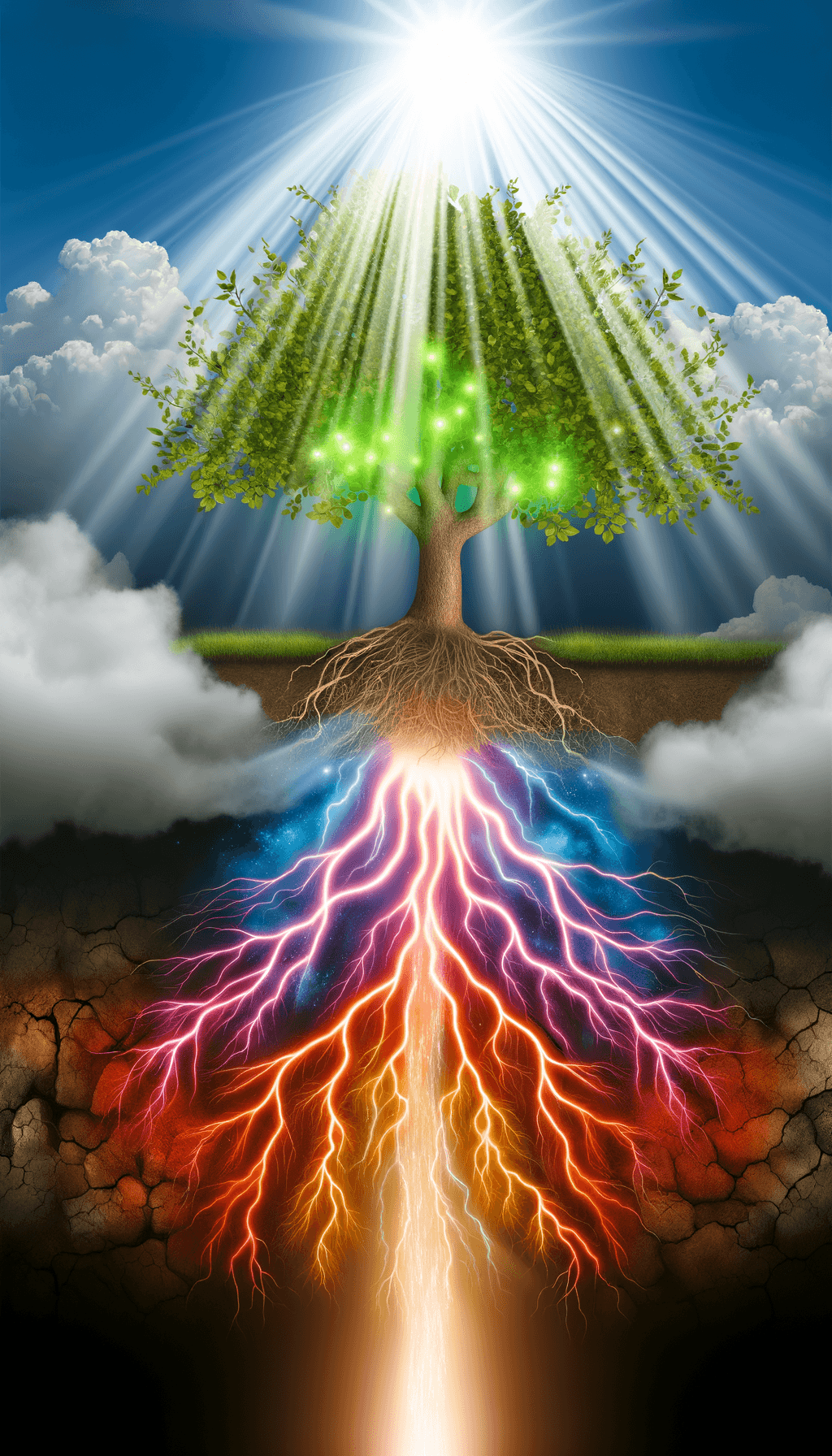
Water the roots of your own tree, and you will grow. — Akiro Kurosawa
—What lingers after this line?
Personal Development
This quote suggests that focusing on your own growth and nurturing your inner self will naturally lead to progress and improvement in life. Just like a tree needs its roots to be watered to thrive, individuals must invest in their personal development.
Self-Care and Self-Investment
The 'roots' symbolize the foundational aspects of a person—such as health, values, passions, and beliefs. Attending to these with care and attention is necessary for flourishing.
Independence and Self-Reliance
Kurosawa implies that one should not depend on others for growth or success. Instead, cultivating strength from within ensures steady, sustainable development.
Long-Term Growth Mindset
Like watering roots before seeing outward growth in a tree, the quote emphasizes the importance of patience and consistent effort in achieving meaningful progress.
Cultural and Philosophical Roots
As a revered Japanese filmmaker, Akira Kurosawa often incorporated Zen concepts and introspective themes in his work. This quote reflects a philosophical outlook that values inner balance and self-awareness as the path to personal success.
One-minute reflection
Where does this idea show up in your life right now?
Related Quotes
6 selectedYou can't pour from an empty cup. Take care of yourself first. — Arianna Huffington
Arianna Huffington
At its heart, Arianna Huffington’s line turns self-care into an image anyone can understand: a cup cannot nourish others if it has nothing left to give. The metaphor is gentle, but its message is firm.
Read full interpretation →Taking time out each day to relax and renew is essential to living well. — Judith Hanson Lasater
Judith Hanson Lasater
Judith Hanson Lasater’s words begin with a simple but often neglected truth: well-being is not sustained by effort alone. To live well, a person must also step back, soften, and allow the body and mind to recover.
Read full interpretation →The most gifted members of the human species are at their creative best when they cannot have their way, and must compensate for what they miss by realizing and cultivating their capacities. — Bryant H. McGill
Bryant H. McGill
Bryant H. McGill’s observation begins with a striking reversal: gifted people may not reach their highest potential when everything comes easily, but when something blocks their path.
Read full interpretation →A mind grows by staying with difficulty long enough for the experience to change it. — Mary Catherine Bateson
Mary Catherine Bateson
Mary Catherine Bateson’s observation begins with a quiet but demanding truth: the mind does not grow merely by encountering difficulty, but by remaining with it. Challenge becomes transformative only when we resist the u...
Read full interpretation →Consistency is a superpower. — Ryan Holiday
Ryan Holiday
Ryan Holiday’s line begins with a deceptively simple idea: greatness is rarely built through dramatic gestures. More often, it emerges from repeated actions that seem ordinary in isolation but become extraordinary over t...
Read full interpretation →Do not let your mind bully your body into believing it must carry the weight of the world. — Astrid Alauda
Astrid Alauda
Astrid Alauda’s quote speaks with the calm urgency of a reminder many people need: the mind can become a harsh taskmaster. It creates stories of obligation, guilt, and endless responsibility, then persuades the body to l...
Read full interpretation →More From Author
More from Akiro Kurosawa →Act to change, not to impress. — Akiro Kurosawa
This quote emphasizes the importance of acting with authenticity and integrity. Rather than performing actions for the sake of gaining approval or admiration from others, one should focus on making meaningful changes.
Read full interpretation →When you have a vision, there’s no challenge you can’t overcome. — Akiro Kurosawa
This quote highlights the transformative power of having a clear vision. With a well-defined goal, obstacles become stepping stones rather than roadblocks.
Read full interpretation →Your life is a story told by your heart. — Akiro Kurosawa
This quote suggests that our emotions, desires, and passions—things that come from the heart—shape the narrative of our lives. It emphasizes the importance of listening to one's inner feelings to create a meaningful life...
Read full interpretation →