
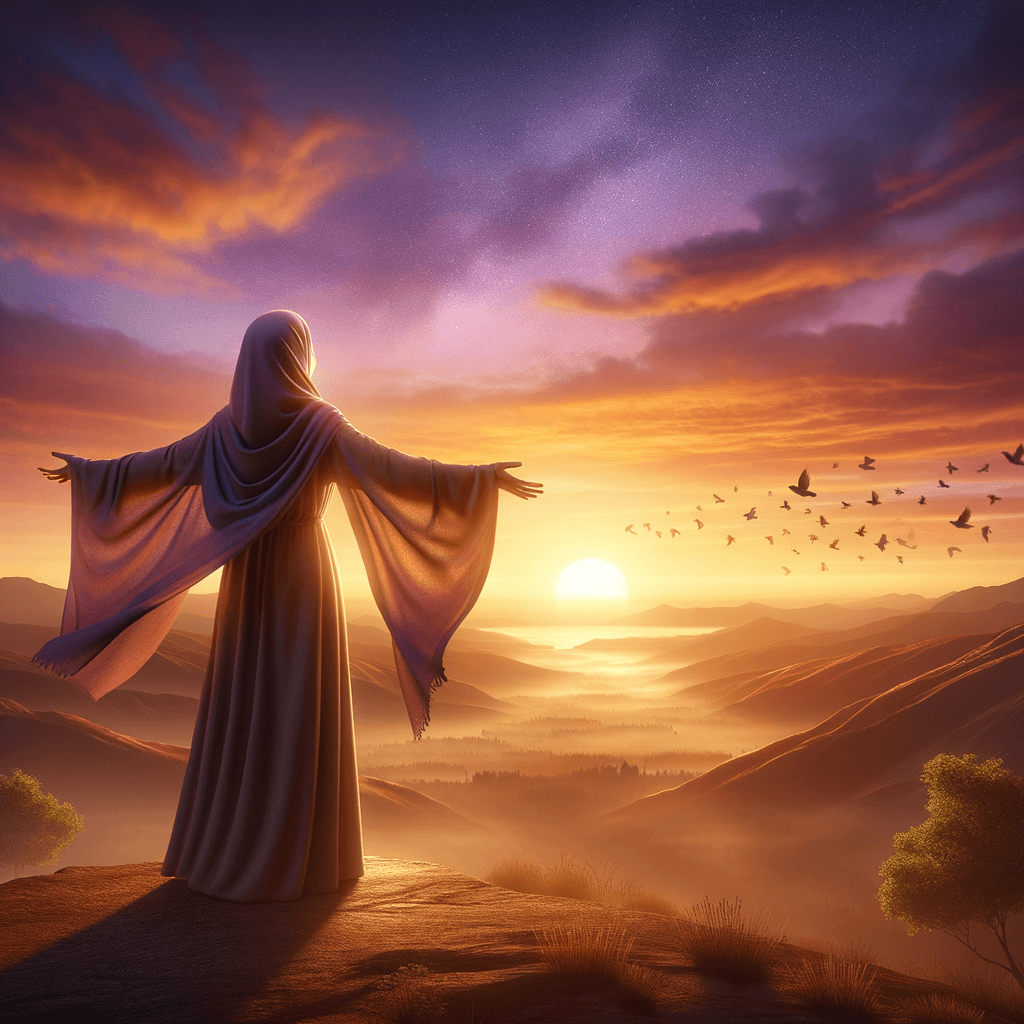
Doing what you like is freedom. Liking what you do is happiness. — Frank Tyger
—What lingers after this line?
Definition of Freedom
The quote suggests that freedom comes from the ability to pursue activities that align with one’s desires and interests. This freedom is a form of personal autonomy, where one is not restricted by external limitations.
Understanding Happiness
Happiness, on the other hand, comes from finding joy in what you do. It’s not just about having the ability to choose what you want but also finding contentment and satisfaction in your choices.
Alignment of Passion and Work
The quote hints that a life of fulfillment arises when there is harmony between what one does and what one desires. When you both enjoy your freedom in choosing your work and find happiness in doing that work, life becomes more meaningful.
Life Satisfaction through Personal Fulfillment
The combination of freedom and happiness reflects personal fulfillment. True life satisfaction comes when you can do what you love (freedom) and simultaneously love what you do (happiness), creating a cycle of positivity and growth.
Dual Nature of Well-Being
This quote offers a balanced perspective on well-being by implying that external freedom (the ability to choose) and internal contentment (enjoying those choices) are both necessary components for a fulfilling and happy life.
Philosophical Context
Frank Tyger, an editorial cartoonist and writer, often highlighted simple yet profound truths. This quote is a reflection of life philosophy focusing on internal harmony, personal fulfillment, and the essence of individual happiness.
One-minute reflection
What's one small action this suggests?
Related Quotes
6 selectedGive up defining yourself—to yourself or to others. You won't die. You will come to life. — Eckhart Tolle
Eckhart Tolle
At its core, Eckhart Tolle’s statement urges us to loosen our grip on the identities we constantly construct. We define ourselves through profession, status, history, beliefs, and even wounds, imagining that these descri...
Read full interpretation →The best day of your life is the one on which you decide your life is your own. No apologies or excuses. — Elaine Maxwell
Elaine Maxwell
Elaine Maxwell’s quote frames transformation not as something that happens to us, but as a decision we make. The ‘best day’ is not defined by luck, wealth, or praise; instead, it begins when a person accepts full ownersh...
Read full interpretation →Discipline is not about being harsh with yourself; it is about aligning your actions with your purpose. It is a quiet form of freedom. — Ryan Holiday
Ryan Holiday
At first glance, discipline is often mistaken for punishment, deprivation, or relentless self-criticism. Ryan Holiday’s quote overturns that assumption by presenting discipline as a gentler, more intentional force: the p...
Read full interpretation →If you want to be free, be free. If you are chained, you are chained. But don't tell me you are free while wearing shackles. — Khalil Gibran
Khalil Gibran
Gibran’s words begin with a blunt distinction: freedom is real, and bondage is real, but confusion between them is a form of dishonesty. He is not merely speaking about physical captivity; rather, he is confronting the h...
Read full interpretation →I'll tell you what freedom is to me: no fear. I mean really, no fear! — Nina Simone
Nina Simone
Nina Simone’s line refuses abstractions and replaces them with something bodily and immediate: fearlessness. By saying “I’ll tell you what freedom is to me,” she frames freedom not as a slogan or a legal condition but as...
Read full interpretation →Why do you stay in prison when the door is so wide open? — Rumi
Rumi
Rumi’s line, “Why do you stay in prison when the door is so wide open?” confronts the listener with an unsettling possibility: that confinement is not always imposed from outside. Instead of offering comfort, he offers a...
Read full interpretation →More From Author
More from Frank Tyger →