
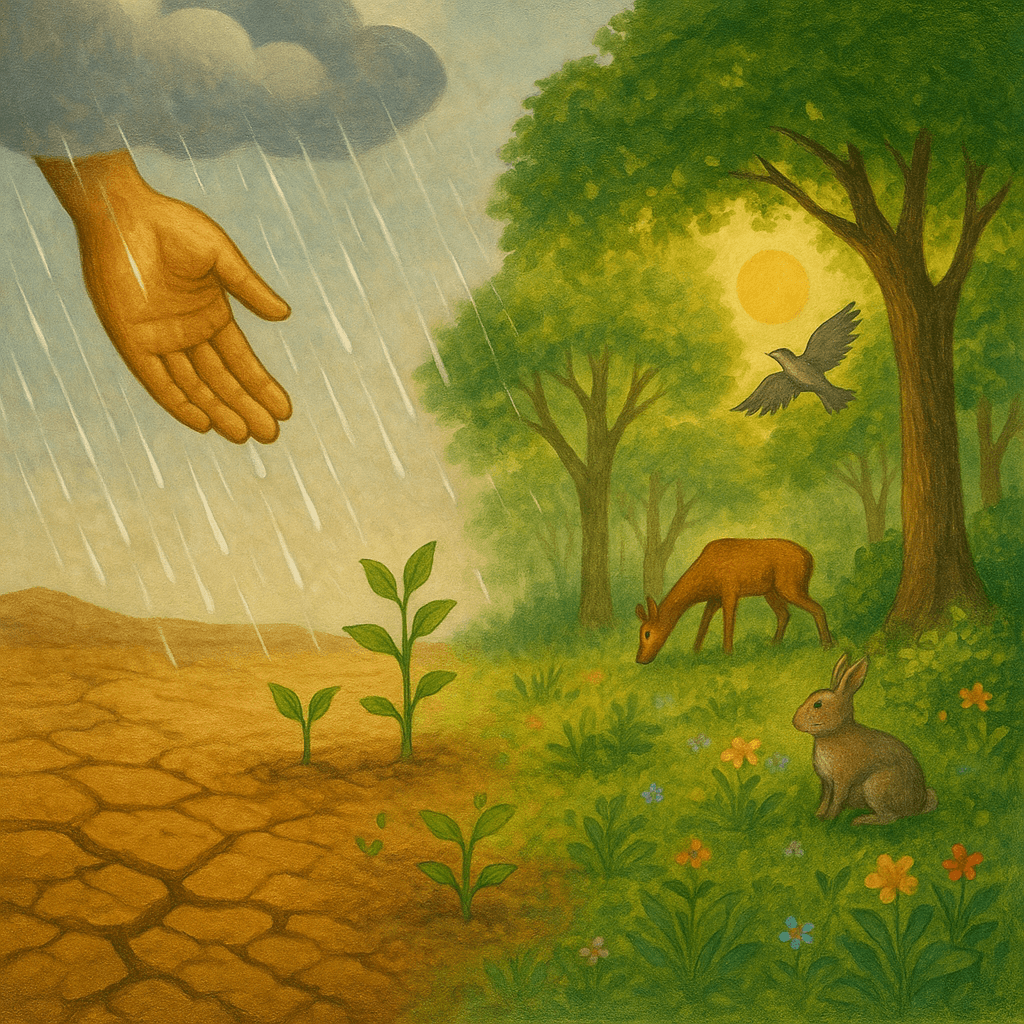
True generosity is giving without remembering and receiving without forgetting. — Khalil Gibran
—What lingers after this line?
Understanding Gibran’s Definition of True Generosity
Khalil Gibran’s nuanced perspective on generosity insists that the value lies not merely in the act, but in the spirit with which it is performed. To give without remembering means to relinquish not only material gifts but also the ego’s desire for acknowledgment. This mindset transforms giving from a transaction to an act of genuine selflessness, removing any lingering expectation of reciprocation or reward.
The Pitfalls of Transactional Giving
Building on Gibran’s observation, many acts of seeming generosity can become transactional when the giver keeps a mental ledger. Literary works like Dickens’ *Great Expectations* (1861) showcase benefactors whose charity is tainted by pride or hidden motives, turning benevolence into moral bargaining. Forgetting our gifts, as Gibran suggests, helps preserve the purity of our intentions and prevents giving from morphing into a subtle form of self-aggrandizement.
Receiving with Lasting Gratitude
Transitioning to the role of the recipient, Gibran encourages us to receive without forgetting. This idea highlights the importance of gratitude—a virtue extolled in philosophies ancient and modern. In *Meditations*, Marcus Aurelius (c. 180 AD) wrote that true strength lies in acknowledging the help we’ve received. Maintaining lasting gratitude uplifts the giver and forges deeper, more resilient human bonds.
The Transformative Power of Selfless Exchange
When giving and receiving are approached with Gibran’s dual mindfulness, both acts foster a culture of humility and mutual respect. For example, community traditions rooted in selfless giving—such as Japan’s 'omoiyari' spirit—showcase how unremembered generosity and enduring appreciation sew the fabric of harmonious societies. This transformation turns isolated gestures into ripples of goodwill.
Cultivating Generosity and Gratitude in Daily Life
Ultimately, embodying Gibran’s guidance requires conscious practice. Small, everyday acts—a favor offered without boasting or a thank you extended days after the event—accumulate into lifelong habits. As people internalize giving without remembering and receiving without forgetting, they nurture an ethic that enriches not only their lives but the broader human community, echoing Gibran’s timeless wisdom.
One-minute reflection
Why might this line matter today, not tomorrow?
Related Quotes
6 selectedThe real gift of gratitude is that the more grateful you are, the more present you become. — Robert Holden
Robert Holden
Robert Holden’s quote suggests that gratitude is more than a polite response to good fortune; it is a way of paying fuller attention to life. In other words, when people actively notice what they appreciate, they are pul...
Read full interpretation →Gratitude is not merely an emotion; it is the practice of noticing the quiet light that persists, even when the world feels loud and uncertain. — Thich Nhat Hanh
Thich Nhat Hanh
At first glance, gratitude may seem like a simple emotional response to good fortune. Yet Thich Nhat Hanh reframes it as a discipline of attention, suggesting that thankfulness is less about waiting for ideal circumstanc...
Read full interpretation →When you give from the depth of your own joy, you set others free to do the same. — Kahlil Gibran
Kahlil Gibran
At first glance, Gibran’s line suggests that real generosity is not depletion but overflow. In The Prophet (1923), he writes that we truly give when we give of ourselves, implying that joy is the wellspring rather than t...
Read full interpretation →Gratitude turns what we have into enough.
Unknown
This quote highlights the transformative power of gratitude. Recognizing and appreciating what we have can shift our perspective from scarcity to abundance.
Read full interpretation →Act from the center of your compassion and let generosity be your compass. — Kahlil Gibran
Kahlil Gibran
To begin, Gibran’s counsel places motivation before method: act from the center of your compassion. The word center suggests an interior equilibrium rather than a passing impulse, an anchoring place where concern for oth...
Read full interpretation →Learn to be thankful for what you already have, while you pursue all that you want. — Jim Rohn
Jim Rohn
Jim Rohn’s advice begins with a delicate balance: appreciation for the present should not cancel ambition for the future. Instead, gratitude and aspiration can move together, like two steps in the same journey.
Read full interpretation →More From Author
More from Kahlil Gibran →Your home is your larger body. It grows in the sun and sleeps in the stillness of the night. — Kahlil Gibran
At first glance, Gibran transforms the idea of home from a mere structure into something intimate and organic: “your larger body.” In this image, a dwelling is not separate from the person who inhabits it, but an outward...
Read full interpretation →March on. Do not tarry. To go forward is to move toward perfection. — Kahlil Gibran
Gibran’s opening imperative—“March on. Do not tarry.”—sets a tone of disciplined urgency.
Read full interpretation →There must be spaces in your togetherness, and let the winds of the heavens dance between you. — Kahlil Gibran
Gibran’s line opens with a gentle paradox: he speaks to people who are already “together,” yet insists that togetherness is healthiest when it includes room. Rather than portraying love as fusion, he frames it as a relat...
Read full interpretation →Our anxiety does not come from thinking about the future, but from wanting to control it. — Kahlil Gibran
Kahlil Gibran reframes anxiety as something more specific than mere anticipation. The future itself—uncertain, unfolding, and not yet real—doesn’t automatically distress us; rather, distress appears when we demand certai...
Read full interpretation →