
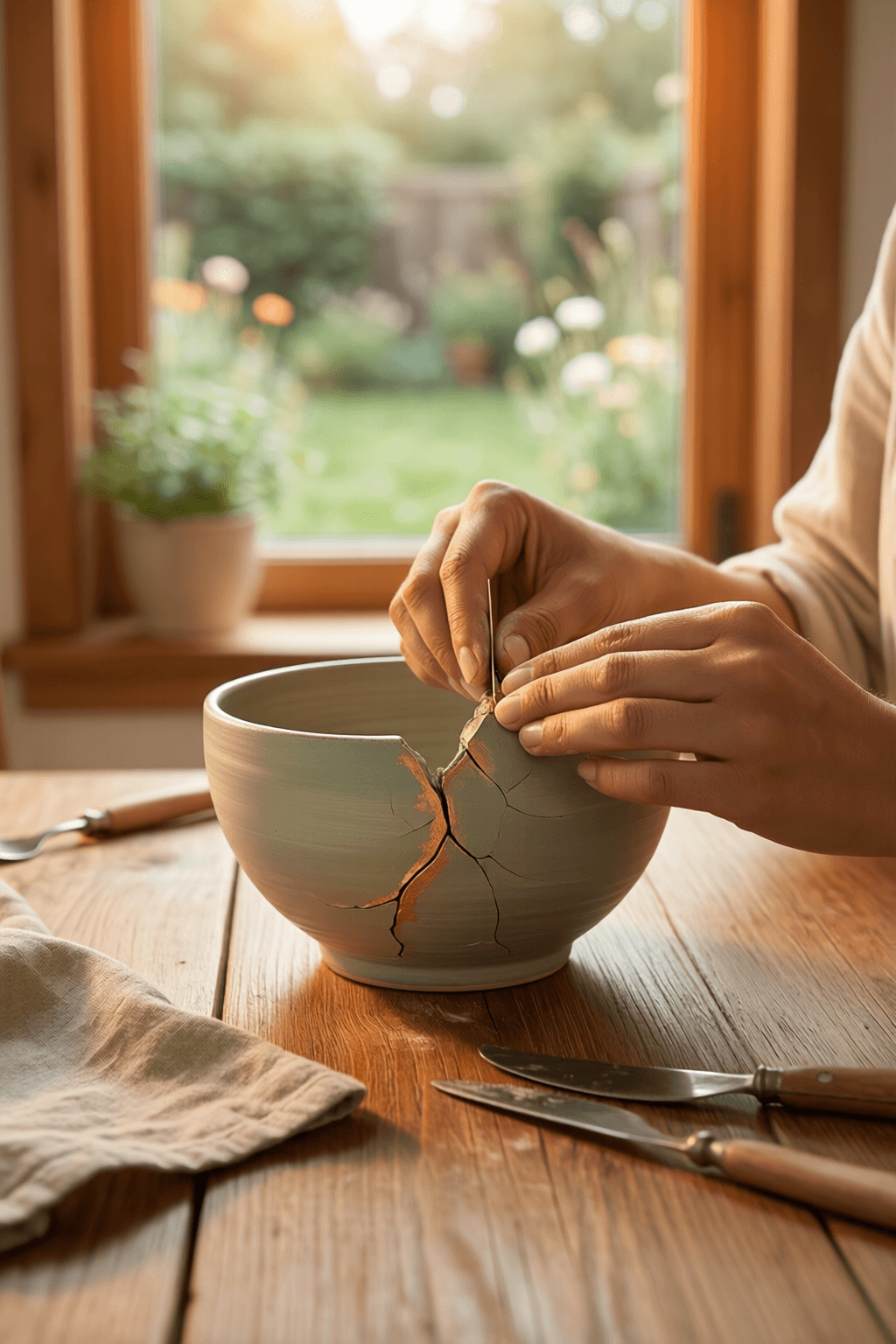
Healing isn't about erasing the past. It's about changing how the past lives within you so it no longer controls your present. — Cory Muscara
—What lingers after this line?
Healing as Transformation
Cory Muscara’s quote begins with a gentle but important correction: healing does not require pretending that pain never happened. Instead, it asks us to transform our relationship with memory, so the past becomes part of our story rather than the force directing it. This distinction matters because many people mistake recovery for forgetting, when genuine healing often involves remembering with less fear.
The Past as an Inner Presence
From there, the quote invites us to see the past not as something left behind, but as something that can continue to live within the body, mind, and emotions. A childhood criticism, a betrayal, or a loss may echo in present reactions long after the original moment has passed. In this sense, the past is not merely historical; it becomes psychological.
Reframing Without Denying
Yet Muscara’s insight does not encourage denial or forced positivity. Rather, it points toward reframing: the painful event remains real, but its meaning can change. Viktor Frankl’s *Man’s Search for Meaning* (1946) similarly argues that while people cannot always control what happens to them, they can shape the meaning they draw from suffering.
Freedom in the Present
As this meaning shifts, the present begins to open. A person who once interpreted conflict as danger may learn to see disagreement as something survivable; someone who felt defined by abandonment may slowly discover that they can still belong. In this way, healing loosens the past’s grip, allowing present choices to come from awareness rather than old wounds.
The Body Remembers Too
Importantly, this process is not only intellectual. Bessel van der Kolk’s *The Body Keeps the Score* (2014) explains how trauma can remain stored in physical responses, shaping sleep, tension, and nervous-system reactions. Therefore, changing how the past lives within us may involve therapy, mindfulness, movement, breathwork, or safe relationships that teach the body it is no longer trapped in yesterday.
A More Compassionate Self-Story
Ultimately, Muscara’s quote leads toward self-compassion. Healing means learning to say, ‘That happened to me, but it is not all of me.’ With time, the past can become a chapter rather than a cage, a source of wisdom rather than control. The goal is not erasure, but integration—a quieter inner life where memory remains, yet freedom returns.
One-minute reflection
Where does this idea show up in your life right now?
Related Quotes
6 selectedHealing may not be so much about getting better, as about letting go of everything that isn't you. — Rachel Naomi Remen
Rachel Naomi Remen
Rachel Naomi Remen’s insight gently shifts healing away from the usual language of repair. Instead of imagining ourselves as broken machines that must be made efficient again, she suggests that healing may involve removi...
Read full interpretation →Healing is not the absence of pain—it's a steady return to wholeness despite it. — Mark Nepo
Mark Nepo
Mark Nepo’s reflection begins by challenging a common assumption: that healing means pain has disappeared. Instead, he suggests that pain may remain present while healing is still underway.
Read full interpretation →It's when we start working together that the real healing takes place. — Yoko Ono
Yoko Ono
At its heart, Yoko Ono’s statement shifts healing away from the isolated individual and toward shared effort. The phrase “start working together” suggests that repair begins not merely with intention, but with cooperatio...
Read full interpretation →Healing is the return of the memory of wholeness. — Deepak Chopra
Deepak Chopra
At first glance, Deepak Chopra’s line reframes healing as something larger than the disappearance of pain or illness. To call healing “the return of the memory of wholeness” suggests that wellness is not newly manufactur...
Read full interpretation →Healing is an art. It takes time, it takes practice, it takes love. — Maza Dohta
Maza Dohta
Maza Dohta’s quote begins by reframing healing as an art rather than a mechanical repair. That distinction matters, because art is rarely instant: it involves sensitivity, patience, revision, and care.
Read full interpretation →It is when we start working together that the real healing takes place. — David Hume
David Hume
At its core, David Hume’s line suggests that healing is not merely a private act of endurance but a shared human process. The moment people begin working together, suffering is no longer carried in isolation; instead, it...
Read full interpretation →More From Author
More from Cory Muscara →