
Every saint has a past, and every sinner has a future. — Oscar Wilde
—What lingers after this line?
Oscar Wilde’s Paradox of Morality
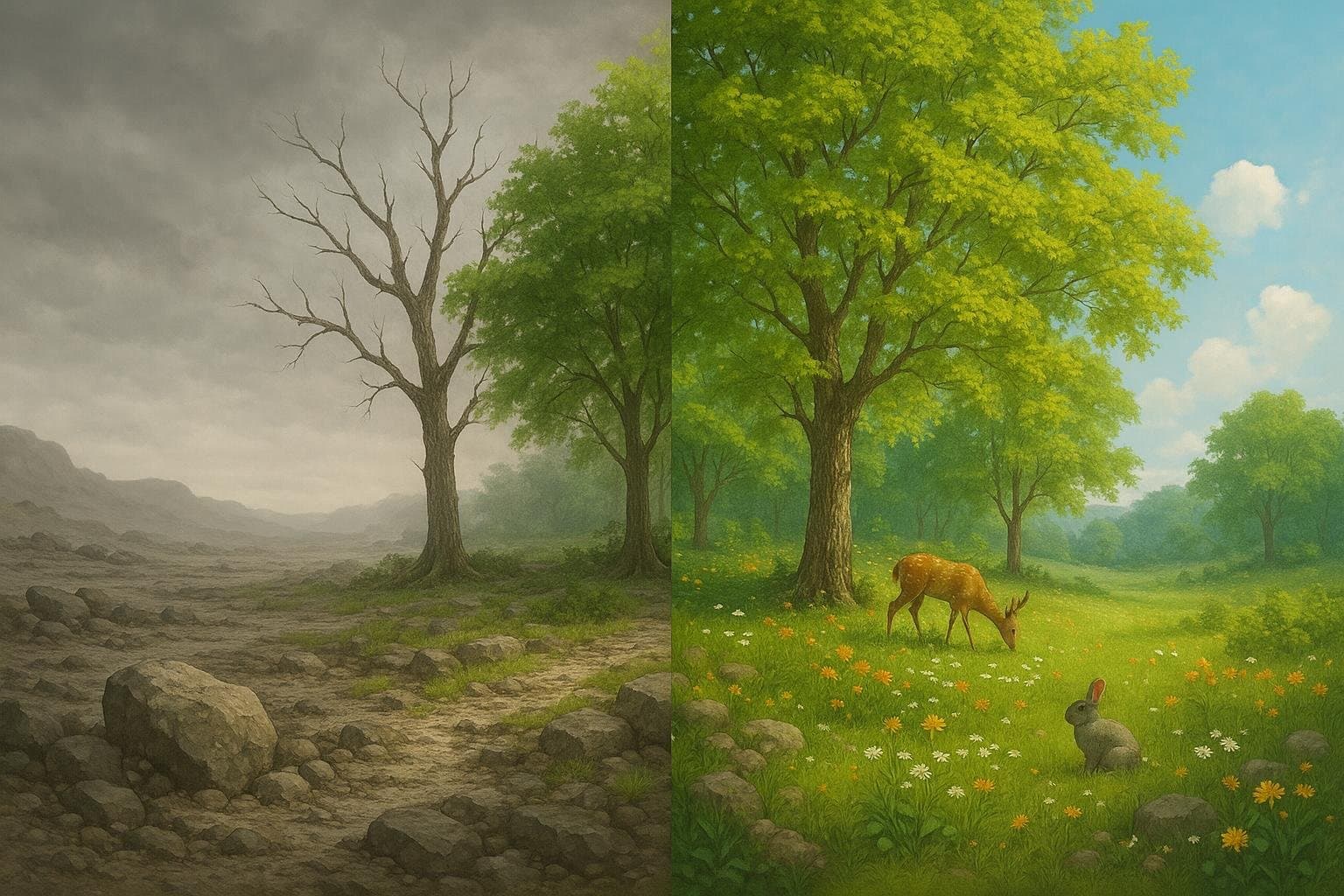
Oscar Wilde’s memorable line reconfigures our understanding of virtue and vice by highlighting that morality is neither static nor absolute. By stating that 'every saint has a past, and every sinner has a future,' Wilde invites us to reconsider the rigid labels society often attaches to individuals. This notion challenges the idea of permanent moral identity, suggesting instead that our stories are still being written, regardless of present standing.
Historical Perspectives on Transformation
Expanding on Wilde’s insight, history abounds with figures who embody moral transformation. Saint Augustine of Hippo, for instance, famously recounted his early life of excess in his 'Confessions' before dedicating himself to spiritual pursuits. Conversely, notorious figures like Malcolm X, once entangled in crime, underwent dramatic reform and emerged as principled leaders. These examples support Wilde’s assertion that virtue and vice are transient, mutable conditions.
Fictional Illustrations of Change
Literature too has long explored the potential for personal rebirth. In Victor Hugo’s 'Les Misérables,' Jean Valjean’s journey from convict to benefactor powerfully illustrates how a ’sinner’ may transcend his past sins. Conversely, even revered characters such as King Lear confront their own moral failings, indicating that saints are never immune to slipping from grace. Thus, storytelling echoes Wilde’s message of perpetual transformation.
Psychological Insights Into Redemption
Modern psychology supports Wilde’s perspective, noting that human behavior is shaped by both circumstance and capacity for growth. The concept of neuroplasticity suggests our brains—and by extension, our behaviour—can change through conscious effort and new experiences. Therapeutic practices centered on forgiveness and self-compassion underscore the possibility of redemption and a brighter future, even for those burdened by past transgressions.
Cultivating Empathy Through Moral Complexity
Ultimately, Wilde’s words foster empathy in those who listen. By acknowledging that everyone’s journey includes both light and shadow, communities become more accepting of second chances. The recognition that today’s 'saint' may have stumbled and that today’s 'sinner' can yet redeem themselves, as echoed in restorative justice initiatives, nurtures a culture of compassion and hope.
One-minute reflection
Why might this line matter today, not tomorrow?
Related Quotes
6 selectedAlways forgive your enemies; nothing annoys them so much. — Oscar Wilde
Oscar Wilde
At first glance, Oscar Wilde’s remark sounds like simple moral advice, yet its brilliance lies in its inversion of expectation. Instead of presenting forgiveness as saintly self-denial, he recasts it as a sly strategy: t...
Read full interpretation →The community of the saints is not an ideal community consisting of perfect people. No, it is a community which proves its worth by constantly and sincerely proclaiming forgiveness. — Dietrich Bonhoeffer
Dietrich Bonhoeffer
Bonhoeffer begins by dismantling a tempting illusion: the church, or “community of the saints,” is not a gathering of flawless people. Instead, he insists that any community built on the fantasy of moral purity will even...
Read full interpretation →Reject your sense of injury and the injury itself disappears. — Marcus Aurelius
Marcus Aurelius
At first glance, Marcus Aurelius’s line seems severe, yet its central claim is distinctly Stoic: much of suffering arises not from the event itself but from our judgment about it. In his Meditations (c.
Read full interpretation →How much better to heal than seek revenge from injury. — Seneca
Seneca
At first glance, Seneca’s line overturns a deeply human instinct. When we are wounded, revenge can feel like the natural answer, promising balance through retaliation.
Read full interpretation →You can love them, forgive them, want good things for them... but still move on without them. — Mandy Hale
Mandy Hale
Mandy Hale’s quote begins with a gentle but powerful distinction: love does not always require ongoing closeness. You can care deeply for someone, wish them healing, and even hold gratitude for what they meant in your li...
Read full interpretation →I forgive life for being imperfect. I forgive people for being imperfect. I forgive myself for being imperfect. — Tian Dayton
Tian Dayton
At its core, Tian Dayton’s quote unfolds in three widening circles: life, other people, and the self. This structure matters because it suggests that forgiveness is not a single gesture but a practice of loosening our gr...
Read full interpretation →More From Author
More from Oscar Wilde →Always forgive your enemies; nothing annoys them so much. — Oscar Wilde
At first glance, Oscar Wilde’s remark sounds like simple moral advice, yet its brilliance lies in its inversion of expectation. Instead of presenting forgiveness as saintly self-denial, he recasts it as a sly strategy: t...
Read full interpretation →It is only shallow people who require years to get rid of an emotion. A man who is master of himself can end a sorrow as easily as he can invent a pleasure. — Oscar Wilde
Oscar Wilde’s remark is deliberately provocative, drawing a sharp line between those ruled by feeling and those who govern it. At first glance, he seems almost cruel in dismissing prolonged sorrow as a mark of shallownes...
Read full interpretation →The mark of all good art is not that the thing done is done exactly or finely, but that it is worked out with the head and the workman's heart. — Oscar Wilde
Oscar Wilde immediately shifts the standard by which art is judged. Rather than praising work simply because it is exact, polished, or finely executed, he argues that true artistic value comes from something deeper: thou...
Read full interpretation →Everything in moderation, including moderation. — Oscar Wilde
Oscar Wilde’s line, “Everything in moderation, including moderation,” works by first borrowing a familiar moral rule and then twisting it into a paradox. If moderation is always good, then we should practice it without e...
Read full interpretation →