
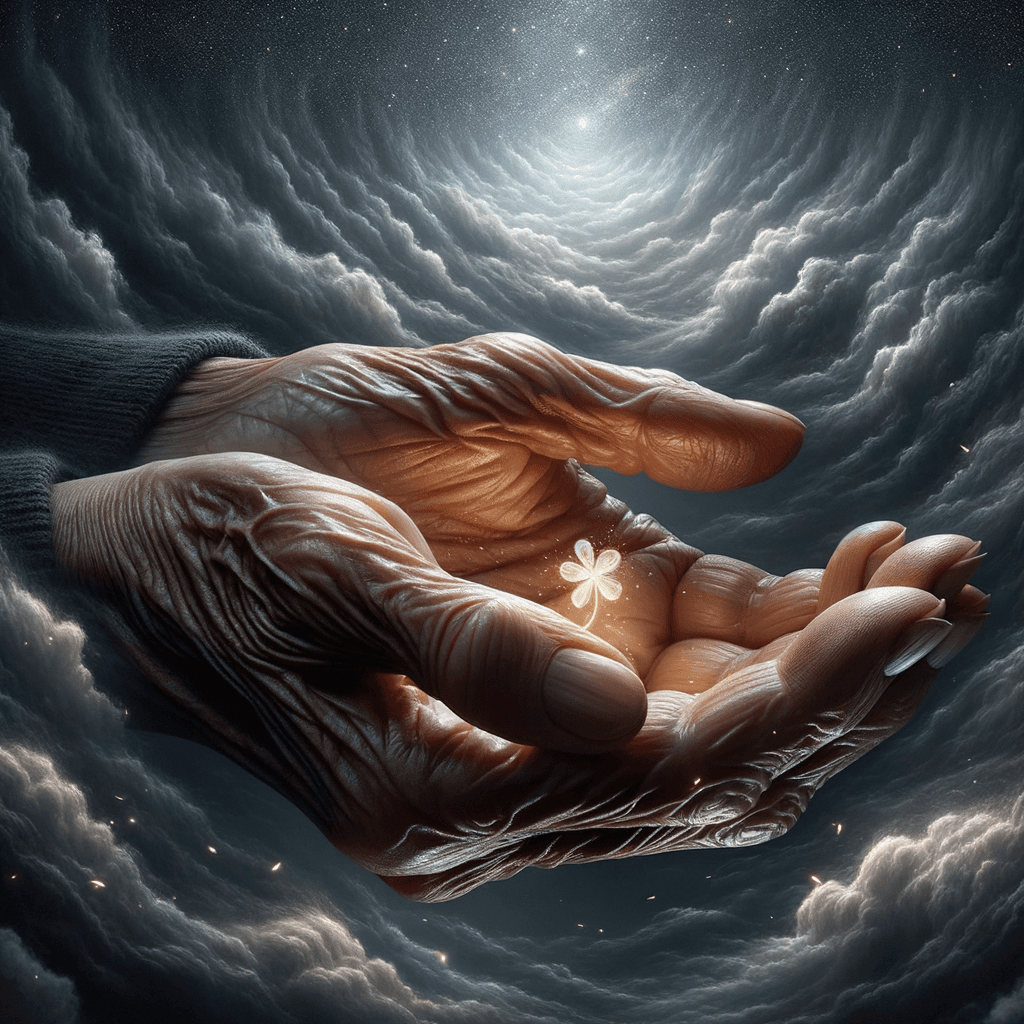
No matter how difficult the moment, nothing can permanently erase the treasure of kindness that you have done. — Ban Zhao
—What lingers after this line?
Lasting Impact of Kindness
This quote highlights the everlasting nature of kind acts. Even in the most trying circumstances, the kindness you have shown to others will remain as a significant and positive mark on the world.
Resilience Through Adversity
It suggests that no matter how difficult life may get, the goodness expressed through acts of kindness cannot be undone. They stand tall in the face of challenges and uncertainty and remain a testament to a person’s character.
Intrinsic Value of Good Deeds
The quote asserts that the value of kind actions extends beyond fleeting moments and contributes to the greater good of humanity. Acts of kindness hold a treasure-like value that cannot be erased or diminished.
Moral Legacy
Ban Zhao implies that kindness contributes to one’s legacy. Regardless of what hardships people may encounter, the kindness they give to the world is their moral inheritance and cannot be taken away or nullified.
Philosophical and Cultural Insights
Ban Zhao was a pioneering female Chinese scholar during the Han Dynasty. Her wisdom often reflected Confucian values, stressing moral virtue, benevolence, and the lasting importance of ethical actions in society and family relationships.
One-minute reflection
What feeling does this quote bring up for you?
Related Quotes
6 selectedFamily is not just a place we come from, but a sanctuary we build every day through the small, intentional acts of kindness we offer one another. — Daisaku Ikeda
Daisaku Ikeda
At first glance, Ikeda’s quote gently shifts the meaning of family away from mere ancestry or birthplace. He suggests that family is not defined only by bloodlines or shared history, but by what people actively create to...
Read full interpretation →Boundaries do not make you less kind; they make you more capable of being kind without resentment. — Brené Brown
Brené Brown
At first glance, Brené Brown’s quote challenges a common assumption that kindness means endless availability. Instead, she reframes boundaries as the structure that allows generosity to remain sincere rather than forced.
Read full interpretation →You don't have to be a billionaire to believe you can make a difference. Give your time, give your love, or simply give a smile. — Steve Goodier
Steve Goodier
At its core, Steve Goodier’s quote challenges the idea that influence belongs only to the wealthy or powerful. By placing time, love, and even a smile alongside money, he broadens generosity into something almost anyone...
Read full interpretation →We must all do what we can to help one another. — Jane Austen
Jane Austen
At first glance, Jane Austen’s line sounds modest, yet its moral force is striking: each person carries some responsibility for the well-being of others. The phrase “what we can” is especially important, because it does...
Read full interpretation →You can be a good person with a kind heart and still say no to people. — Tracy A. Malone
Tracy A. Malone
At its core, Tracy A. Malone’s quote challenges the mistaken belief that kindness requires constant availability.
Read full interpretation →To be kind to all, to like many and love a few, to be needed and wanted by those we love, is certainly the nearest we can come to happiness. — Mary Stuart
Mary Stuart
Mary Stuart frames happiness not as wealth, fame, or private achievement, but as a pattern of human connection. At the center of her thought is a layered vision: kindness extended broadly, affection shared generously, lo...
Read full interpretation →More From Author
More from Ban Zhao →