
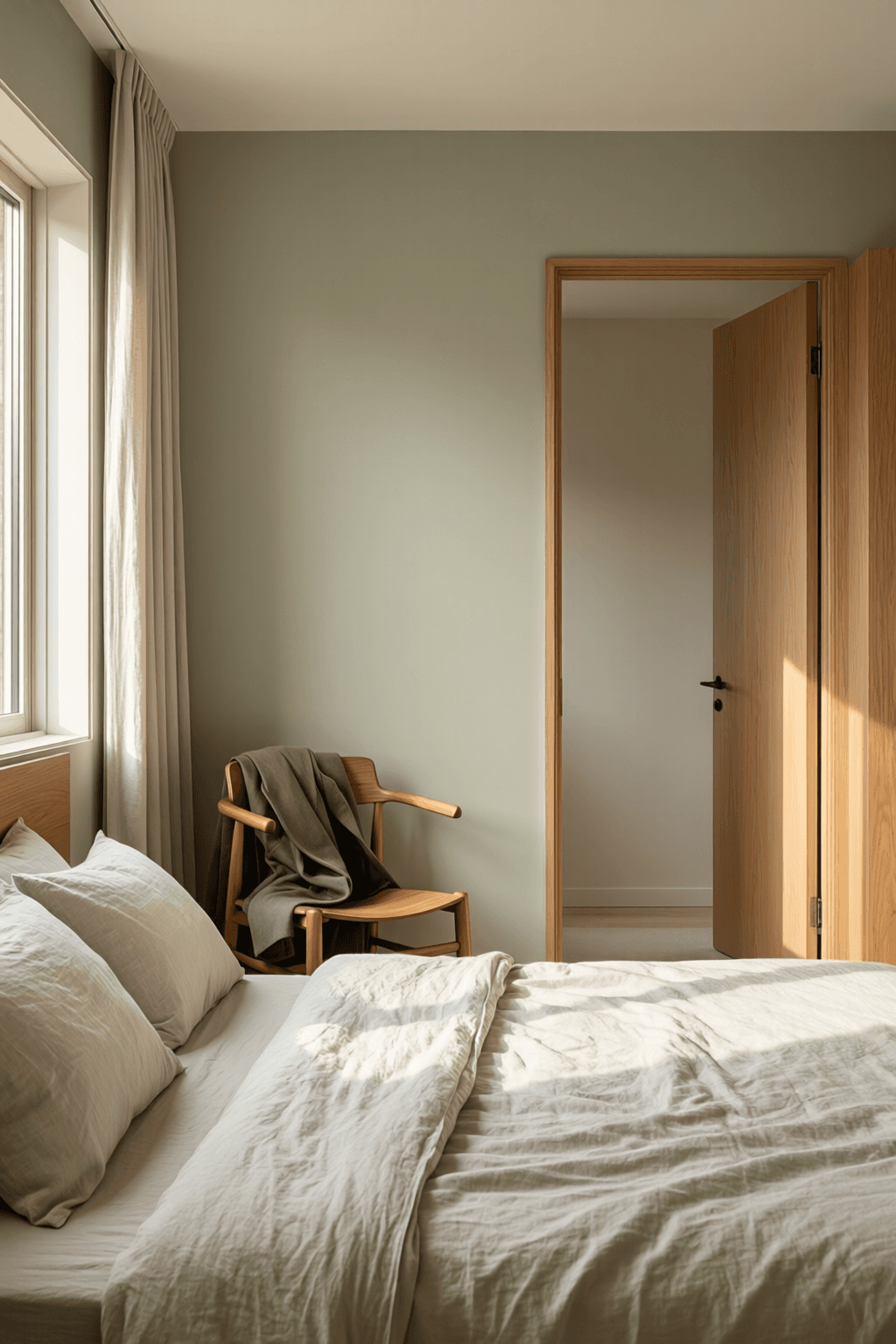
Home is the place where one finally allows the armor to drop and the spirit to breathe. — Maya Angelou
—What lingers after this line?
A Sanctuary Beyond Walls
At its core, Maya Angelou’s reflection defines home not merely as a structure but as a sanctuary of emotional safety. The image of letting “the armor drop” suggests that daily life often requires protection—composure, restraint, and resilience—while home offers the rare permission to set those defenses aside. In this sense, home becomes the place where a person is not performing strength but simply inhabiting it quietly. From there, the quote expands beyond architecture into experience. A modest apartment, a family kitchen, or even the presence of a trusted person can become home if it allows the spirit to breathe. Angelou’s phrasing gently reminds us that belonging is measured less by property than by peace.
The Meaning of Armor
The metaphor of armor deepens the quote’s emotional force, because armor is useful in battle but exhausting to wear forever. In public life, people often carry invisible shields: professionalism at work, caution in unfamiliar spaces, or emotional reserve after hardship. Angelou’s image captures the fatigue of constant vigilance and the human need for a place where one can finally stop bracing for impact. Consequently, home emerges as a site of restoration rather than defense. This idea echoes Virginia Woolf’s *A Room of One’s Own* (1929), which argues that personal space can nurture thought and freedom. Although Woolf speaks of creative independence, Angelou extends the principle inward, suggesting that true shelter restores the self beneath its protective layers.
Breathing as a Sign of Freedom
Just as armor implies pressure, the phrase “the spirit to breathe” introduces release. Breathing is automatic, yet under stress it becomes shallow, which makes Angelou’s choice of image especially revealing: home is where life regains its natural rhythm. The quote therefore suggests that emotional security is not dramatic but bodily, intimate, and deeply felt. Furthermore, this breathing is spiritual as much as physical. It points to a condition in which one’s identity is no longer cramped by judgment or fear. In Toni Morrison’s *Beloved* (1987), characters repeatedly seek spaces where they can reclaim personhood after trauma; similarly, Angelou presents home as the environment where the inner life can expand without apology.
Home as Relationship
Importantly, Angelou’s insight also allows us to see that home may reside in relationships rather than geography. Many people have lived in beautiful houses that never felt safe, while others have felt deeply at home in temporary places because they were met with warmth, trust, and understanding. The quote’s emotional logic suggests that home is created wherever one’s guarded self is welcomed without inspection. This view aligns with lived experience across cultures: a grandmother’s voice, a friend’s living room, or a partner’s quiet companionship can become more sheltering than any permanent address. Thus, home is not only where we live; it is where we are received fully.
A Human Need for Belonging
Seen more broadly, the quote speaks to a universal human need. Psychologists such as Abraham Maslow, in his 1943 paper “A Theory of Human Motivation,” placed safety and belonging near the foundation of well-being. Angelou gives those abstract needs a tender, memorable form: we flourish where we do not have to remain armored. Her language translates theory into feeling. Finally, the quotation endures because it names what many people quietly seek—a place of unguarded existence. Home, in Angelou’s vision, is where survival gives way to ease and vigilance gives way to presence. It is the rare setting in which the soul is not merely housed, but allowed to live.
Recommended Reading
As an Amazon Associate, we earn from qualifying purchases.
One-minute reflection
Where does this idea show up in your life right now?
Related Quotes
6 selectedThe ache for home lives in all of us. — Maya Angelou
Maya Angelou
Maya Angelou’s line distills a feeling so common that it often goes unnamed: the persistent yearning for a place of safety, recognition, and belonging. The word “ache” matters here, because it suggests that home is not m...
Read full interpretation →Fragility is not a weakness. It is a strength that reminds us to rise up. — Maya Angelou
Maya Angelou
This quote challenges the common perception that fragility is a flaw. Instead, it suggests that acknowledging one's vulnerability can be a powerful source of growth and resilience.
Read full interpretation →A home should be an anchor, a port in a storm, a refuge, a happy place in which to dwell. — Marvin J. Ashton
Marvin J. Ashton
Marvin J. Ashton’s statement presents home not merely as a physical structure but as a place of emotional and spiritual grounding.
Read full interpretation →The best way to turn a house into a home is to fill it with love and laughter. — William J. Bennett
William J. Bennett
At first glance, Bennett’s quote draws a clear line between a house and a home. A house is a physical structure, defined by rooms, doors, and possessions; a home, by contrast, is shaped by emotional life.
Read full interpretation →Home is where laughter and gratitude grow. — Melody Beattie
Melody Beattie
At first glance, Melody Beattie’s line reframes home as something more living than a building. Instead of focusing on property, décor, or permanence, it suggests that home is recognized by what flourishes inside it: laug...
Read full interpretation →What shames us, what we most fear to tell, does not set us apart from others; it binds us together if only we can take the risk to speak it. — Brené Brown
Brené Brown
At first glance, Brené Brown’s insight appears paradoxical: the very experiences we hide for fear of rejection are often the ones that make us most recognizable to others. Shame convinces people that their pain, failures...
Read full interpretation →More From Author
More from Maya Angelou →The true value of our journey is found in the people who walk beside us, turning simple moments into our most enduring milestones. — Maya Angelou
At its heart, this reflection suggests that life is not valued only by destinations reached, but by the companions who share the road. Maya Angelou’s thought reframes success away from solitary achievement and toward rel...
Read full interpretation →When we come together as a family, love multiplies, and hearts grow. — Maya Angelou
Maya Angelou’s words begin with a simple but powerful claim: family togetherness does not merely preserve love, it increases it. By saying that love multiplies, she moves beyond the idea of affection as a limited resourc...
Read full interpretation →Sustainable ambition means building a life that does not require you to dismantle yourself in the process. True resilience is knowing when to push and when to restore your own capacity. — Maya Angelou
At its core, this statement challenges the old belief that success must be purchased through exhaustion, self-denial, or inner fracture. Sustainable ambition, as framed here, is not a lesser form of drive but a wiser one...
Read full interpretation →The real problem with being alone is that you're stuck with yourself all day. Make sure you're someone you actually like hanging out with. — Maya Angelou
Maya Angelou’s line begins with a sharp but compassionate truth: being alone is difficult not merely because others are absent, but because the self becomes unavoidable. In solitude, distraction fades, and our habits, th...
Read full interpretation →