
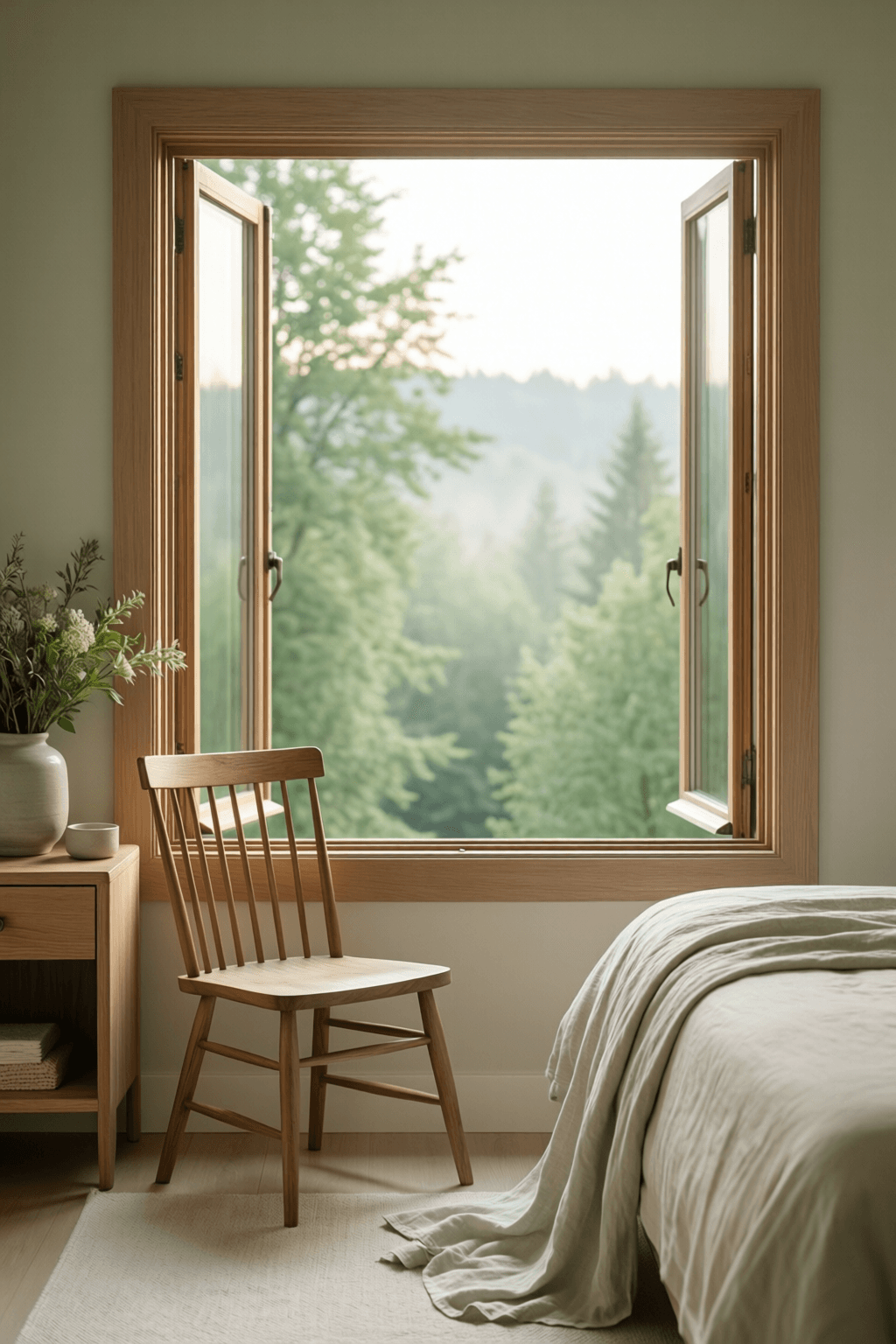
Most of the things we need to be most fully alive never come in busyness. They grow in rest. — Mark Buchanan
—What lingers after this line?
The Hidden Critique of Busyness
Mark Buchanan’s line begins as a gentle correction to modern life: we often chase aliveness through activity, yet the deepest forms of vitality resist that pace. In his view, busyness can simulate importance and momentum, but it rarely produces depth. What we most need—clarity, joy, gratitude, attention, and inward strength—usually emerges more slowly. From there, the quote exposes a cultural misunderstanding. Many societies reward packed schedules as signs of usefulness, but Buchanan suggests that constant motion can thin out the soul instead of enriching it. In that sense, rest is not the opposite of life’s fullness; rather, it is the environment in which fullness quietly takes root.
Rest as a Place of Inner Growth
Seen this way, rest is not mere inactivity but a fertile condition for becoming more human. Just as seeds germinate underground before they appear above the soil, the inner qualities that make life feel meaningful often develop in silence, margin, and stillness. Patience, discernment, and emotional resilience rarely form while we are endlessly reacting. This insight echoes ancient wisdom. The Hebrew Bible’s Sabbath tradition, especially in Exodus 20, frames rest as sacred order rather than wasted time. Likewise, Henry David Thoreau’s Walden (1854) shows how stepping back from noise can sharpen perception. Buchanan’s thought belongs to that lineage: rest gives the soul room to grow roots before asking it to bear fruit.
Why Busyness Can Diminish Presence
If rest cultivates life, then busyness often interrupts our ability to notice it. A crowded schedule can keep a person productive while making them strangely absent from their own experience. Meals are rushed, conversations become transactional, and even beauty passes by unnoticed because attention is already pledged elsewhere. Consequently, Buchanan’s quote invites us to ask not only what we are doing, but what our doing is costing us. Modern psychology supports this concern: research on attentional overload and stress, such as work by neuroscientist Daniel Levitin in The Organized Mind (2014), suggests that chronic cognitive strain reduces reflection and emotional regulation. The result is a life that looks full from the outside yet feels fragmented within.
The Creative and Spiritual Power of Stillness
From that loss of presence, Buchanan leads us toward a recovery of creativity and spirit. Rest has long been linked with insight because the mind often connects ideas when it is no longer under pressure to perform. Many writers, composers, and scientists have described breakthroughs arriving during walks, retreats, or quiet pauses rather than frantic effort. Moreover, spiritual traditions repeatedly treat stillness as a gateway to truth. Psalm 46:10—“Be still, and know”—captures this conviction in compressed form. Similarly, Augustine’s Confessions (c. 397–400) portrays the restless heart as finding peace only when reoriented toward what is ultimate. Buchanan’s statement extends this principle into daily life: rest is where deeper awareness becomes possible.
A More Human Measure of Living
As the quote unfolds, it also proposes a new measure of a successful life. Instead of counting worth by output alone, Buchanan hints that a fully alive person is one who can receive as well as produce. To rest is to admit that life is not sustained entirely by willpower; some of its best gifts arrive when we stop trying to force them. In practical terms, this may look simple: an unhurried conversation, a quiet morning, a day without optimization, or a walk taken without a goal. These moments seem small, yet they often restore a sense of meaning more effectively than relentless accomplishment. Thus the quote does not reject work; it places work within a wiser rhythm where rest protects what work is meant to serve.
Rest as the Soil of Fullness
Ultimately, Buchanan’s sentence works because it reverses a common assumption. We tend to believe life becomes richer by adding more, yet he argues that richness often comes by making space. Rest is not a reward after real living is done; it is part of the process by which real living becomes possible. Therefore, the quote leaves us with a quiet but demanding challenge: if the things we need most grow in rest, then protecting rest becomes an act of seriousness, not indulgence. In that light, to pause is not to fall behind. It is to return to the conditions under which love, wisdom, delight, and genuine aliveness can finally flourish.
One-minute reflection
Where does this idea show up in your life right now?
Related Quotes
6 selectedResting isn't quitting. It's repairing. — Unknown (Skipped - Replacing with: Recovery isn't a sign of weakness—it's an act of strength. — Curtis Tyrone Jones)
Curtis Tyrone Jones
At first glance, Curtis Tyrone Jones’s statement challenges a common cultural reflex: the idea that stopping means failing. Instead, it reframes recovery as purposeful action rather than passive retreat.
Read full interpretation →There is a time for many words, and there is also a time for sleep. — Homer
Homer
Homer’s line turns on a simple but profound contrast: there is a season for speaking at length, and there is another for surrendering to sleep. At once, he suggests that wisdom is not merely knowing what matters, but kno...
Read full interpretation →Exhaustion is not the only proof that you are trying. You are allowed to pause, even if everything feels urgent. — Annie Wright
Annie Wright
At first glance, Annie Wright’s quote challenges a deeply ingrained belief: that visible exhaustion is the clearest sign of seriousness. Many people have learned to equate being drained with being dedicated, as if fatigu...
Read full interpretation →I will get there, but now I'm here, and here is wonderful. — Jenny Offill
Jenny Offill
Jenny Offill’s line gently overturns the modern obsession with destinations. At first, “I will get there” acknowledges ambition and movement, yet the sentence immediately returns us to the present: “but now I’m here.” In...
Read full interpretation →Recovery begins to change when rest stops being something you must earn and starts becoming something your system is allowed to need. — Tessa
Tessa, Psychologist
At the heart of Tessa’s statement is a quiet but radical shift: recovery deepens when rest is no longer treated as a prize for productivity. In many cultures, people are taught to pause only after proving their worth, ye...
Read full interpretation →You are allowed to pause, even if everything feels urgent. — Emily Nagoski
Emily Nagoski
At its core, Emily Nagoski’s line offers something many people rarely grant themselves: permission. In a culture that equates constant motion with worth, the reminder that you may pause—even when everything feels urgent—...
Read full interpretation →More From Author
More from Mark Buchanan →