
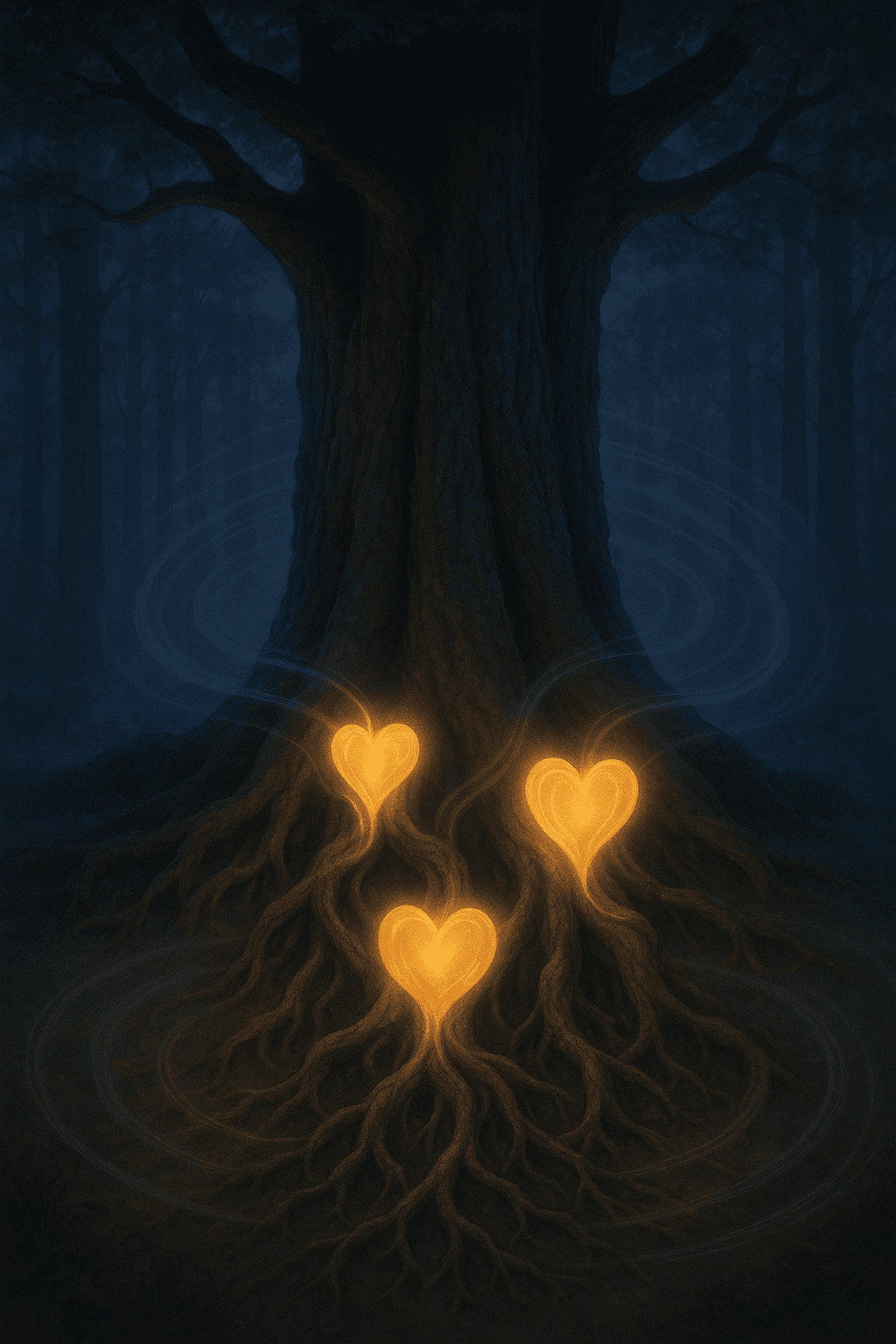
The past beats inside me like a second heart. — John Banville
—What lingers after this line?
Memory as a Living Force
John Banville’s evocative metaphor positions memory not as a dormant record, but as a second heart—continually pulsing alongside our own. This imagery makes clear that the past is a present and vital influence, infusing our thoughts and emotions with echoes of what has come before. As we move through life, these memories serve as both ballast and inspiration, subtly shaping our responses to new experiences.
Echoes of the Past in Personal Identity
Building on this conception, our sense of self becomes inseparable from our history. Philosopher John Locke, in his ‘Essay Concerning Human Understanding’ (1689), argued that personal identity is grounded in continuity of memory. Each recollection—painful or joyful—reverberates internally, contributing to the composite portrait we carry of ourselves. Thus, the 'second heart' Banville describes is central to who we are and how we interpret our journey.
Art and Literature as Memory's Vessel
Transitioning into the realm of creativity, artists and writers frequently channel their ‘second hearts’ into their work, preserving individual and collective pasts. Marcel Proust, in ‘In Search of Lost Time’ (1913–1927), famously explored how involuntary memories can surface, unbidden, becoming a lifeblood for inspiration. Such artistic efforts keep the past active—not static—allowing us to revisit and reinterpret it across generations.
The Psychological Pulse of Reminiscence
Furthermore, modern psychology explores nostalgia as a double-edged phenomenon: while ruminating on the past can lead to sentimental longing, it can also foster resilience and optimism. Studies published in the journal ‘Memory’ (Routledge, 2006) show that recalling meaningful events can boost mood and social connectedness. Like Banville’s metaphorical heartbeat, these memories energize us, providing emotional sustenance in both times of need and celebration.
Integrating the Past with the Present
Ultimately, Banville’s image urges us to embrace the interplay between past and present. Rather than seeking to ignore or escape our history, we might learn to listen to its rhythm—allowing it to inform, but not control, our decisions. In so doing, the second heart becomes a source of wisdom, empowering us to move forward with greater self-awareness and purpose.
One-minute reflection
Where does this idea show up in your life right now?
Related Quotes
4 selectedScars are the tattoos of life.
Unknown
This quote suggests that scars, like tattoos, are permanent marks that tell stories about our life's journey and experiences. Each scar signifies a specific event or hardship we have encountered.
Read full interpretation →Show me a man with a tattoo, and I'll show you a man with an interesting past. — Jack London
Jack London
Jack London suggests that tattoos are often a reflection of personal life experiences. Tattoos are records of important moments, struggles, or memories that have shaped a person's history.
Read full interpretation →This moment is the result of all the moments in your life leading up to now. — Byron Pulsifer
Byron Pulsifer
This quote highlights how each moment and decision in life contributes to the present. Every choice, experience, and event builds upon previous ones to shape the current moment.
Read full interpretation →You carry the passport of your memories. — A. R. Rahman
A. R. Rahman
This quote suggests that our memories shape who we are, much like a passport represents a person's identity and history when traveling.
Read full interpretation →More From Author
More from John Banville →