
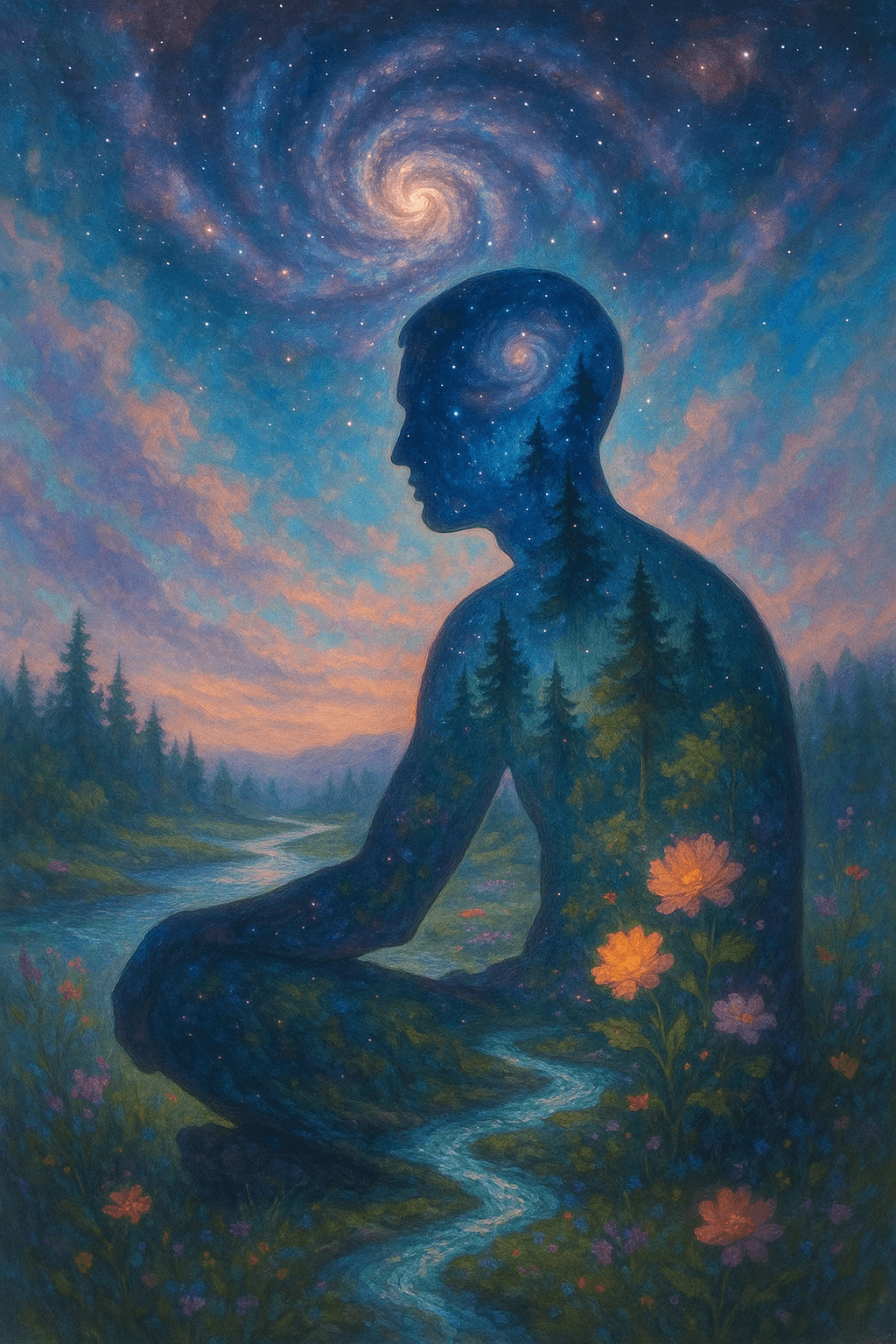
We carry within us the wonders we seek without us. — Sir Thomas Browne
—What lingers after this line?
Turning Inward: The Source of Wonder
Sir Thomas Browne’s insight suggests that the marvels we long for in the external world already reside within ourselves. Rather than endlessly searching for fulfillment in distant places or objects, Browne encourages an introspective approach. This concept aligns with philosophical traditions that favor self-exploration as the key to enlightenment and satisfaction.
Historical Perspectives on Inner Riches
Throughout history, thinkers have highlighted the treasures of the inner life. For example, in Plato’s dialogues, Socrates often urged his interlocutors to ‘know thyself,’ proposing that self-knowledge was more valuable than worldly acclaim. Similarly, Eastern traditions such as Buddhism teach that serenity and wisdom emerge from understanding the mind’s depths, not from accumulating external wonders.
Psychological Insights into Personal Potential
Modern psychology also supports Browne’s assertion, emphasizing the vast untapped potential within each person. Humanistic psychologists like Abraham Maslow posited that self-actualization—the realization of one’s fullest capabilities—springs from within. By turning inward, individuals discover creativity, resilience, and aspirations previously overlooked in the pursuit of external validation.
Artistic Expression as a Reflection of Inner Worlds
Artists across centuries have channeled their internal landscapes to produce works that astonish and inspire. Leonardo da Vinci’s multifaceted genius, for instance, was driven by a relentless curiosity that drew from personal contemplation as much as observation. Through such creative endeavors, the wonders ‘within us’ become manifest, enriching not only the creator but audiences across generations.
Practical Implications for Daily Living
Ultimately, Browne’s wisdom invites us to recalibrate our search for meaning and fulfillment. Rather than restlessly chasing novelty or achievement, we can nurture self-awareness, curiosity, and acceptance. This inward focus cultivates contentment and empowers us to contribute authentically to the world—reminding us that the wonders we seek are, and have always been, our own to realize.
One-minute reflection
Why might this line matter today, not tomorrow?
Related Quotes
6 selectedYour work is to discover your world and then with all your heart give yourself to it. — Buddha
Buddha
This quote emphasizes the importance of self-discovery. It encourages individuals to explore their unique paths and understand their true desires and aspirations.
Read full interpretation →You will never be able to experience everything. So, please, do poetical justice to your soul and simply experience yourself. — Albert Camus
Albert Camus
Camus begins from a humbling truth: no person can live every possible life, see every landscape, or test every path. Because existence is finite, the dream of total experience becomes a source of restlessness rather than...
Read full interpretation →You cannot express something you have not first discovered. — Carl Jung
Carl Jung
At its core, Jung’s remark suggests that authentic expression begins not with performance but with discovery. A person cannot meaningfully speak, create, or reveal what has never been encountered within the self.
Read full interpretation →Sometimes losing everything is how you find yourself. — J.K. Rowling
J.K. Rowling
At first glance, J.K. Rowling’s line frames devastation not simply as an ending, but as a brutal kind of beginning.
Read full interpretation →Quietly, I am becoming the woman I was always meant to be. — Mitsuye Yamada
Mitsuye Yamada
Mitsuye Yamada’s line begins not with spectacle, but with stillness. The word “quietly” suggests that the deepest changes in a life often happen away from applause, in private acts of courage, reflection, and endurance.
Read full interpretation →Art and love are the same thing: it's the process of seeing yourself in things that are not you. — Chuck Klosterman
Chuck Klosterman
At first glance, Chuck Klosterman’s line collapses two vast experiences into one elegant idea: both art and love involve recognizing ourselves in something outside us. In this sense, a painting, a song, or another person...
Read full interpretation →More From Author
More from Sir Thomas Browne →