
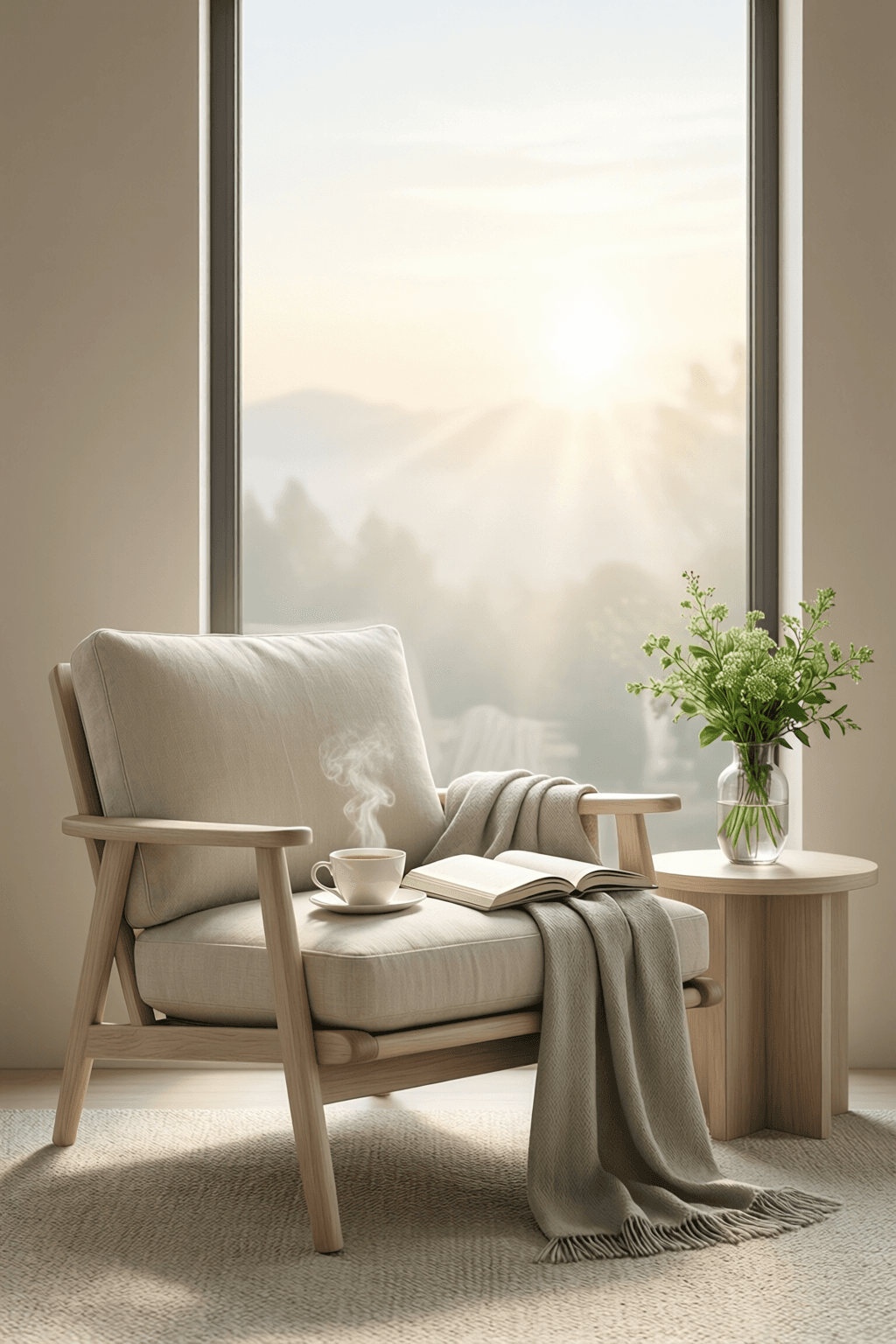
Whenever you recover or discover something that nourishes your soul and brings joy, care enough about yourself to make room for it in your life. — Jean Shinoda Bolen
—What lingers after this line?
An Invitation to Self-Regard
Jean Shinoda Bolen’s words begin with a gentle but radical premise: joy is not a luxury to be postponed, but something worthy of deliberate space in our lives. Rather than treating soul-nourishing experiences as accidental extras, the quote asks us to see them as essential signs of inner health and personal truth. From that starting point, the statement becomes a lesson in self-regard. To “care enough about yourself” implies that honoring delight is an act of dignity, not indulgence. In this way, Bolen shifts the conversation from mere pleasure-seeking to a deeper ethic of listening to what restores us.
Recognizing What Truly Restores
Once that invitation is accepted, the next challenge is recognition. Not everything pleasant nourishes the soul; some distractions only fill time, while true sources of joy leave us steadier, more present, and more alive. A walk at dawn, a return to painting, or even a quiet hour with a beloved book may reveal themselves by the calm energy they leave behind. This distinction appears often in reflective traditions. Aristotle’s Nicomachean Ethics (4th century BC), for example, distinguishes fleeting amusement from activities aligned with flourishing. Similarly, Bolen encourages discernment: notice what genuinely replenishes rather than what merely occupies.
The Courage to Make Space
Yet discovery alone is not enough; the quote insists on making room. That phrase carries practical force, because modern life often crowds out what matters most through obligation, speed, and constant distraction. To make room may mean saying no, rearranging priorities, or defending a small sacred interval against the demands of productivity. In that sense, the advice is quietly courageous. Virginia Woolf’s A Room of One’s Own (1929) famously argued that creative and inner life require actual space and protected time. Bolen extends that insight beyond art to the soul itself: what nourishes us rarely survives unless we consciously protect it.
Joy as a Form of Wisdom
As the idea deepens, joy begins to look less like sentiment and more like guidance. What consistently brings life, meaning, and inward expansion can serve as a compass, pointing toward values we may have neglected. The soul, in Bolen’s framing, is not fed by prestige or duty alone, but by contact with what feels deeply true. Psychologist Carl Jung, whose work influenced Bolen, often treated symbols, dreams, and recurring longings as clues to individuation—the process of becoming fully oneself. Seen through that lens, making room for joy is not escapism; it is participation in one’s own unfolding.
Against the Culture of Self-Neglect
Moreover, the quote pushes back against a culture that often rewards exhaustion and treats self-neglect as virtue. Many people are taught to earn rest, postpone delight, or feel guilty for activities that do not produce visible results. Bolen challenges that harsh logic by suggesting that personal nourishment is part of responsible living, not a betrayal of it. This idea resonates with Audre Lorde’s declaration in A Burst of Light (1988): “Caring for myself is not self-indulgence, it is self-preservation.” Although Lorde wrote from a different context, the connection is clear. Both writers insist that making space for what sustains us is a serious and necessary act.
A Practice of Daily Devotion
Finally, the quote finds its fullest meaning in repetition. Soul-nourishing joy is rarely secured by one dramatic decision; more often, it enters life through small, repeated acts of devotion. Ten minutes of music, a weekly visit to the garden, or a regular phone call with someone who reminds you who you are can slowly reshape a life from within. Thus Bolen’s message ends not in abstraction but in practice. To recover or discover what feeds the soul is only the first step; the deeper task is to keep choosing it. In that steady choice, joy becomes not an interruption to life, but one of the ways life is most fully lived.
Recommended Reading
As an Amazon Associate, we earn from qualifying purchases.
One-minute reflection
Where does this idea show up in your life right now?
Related Quotes
6 selectedYou can do anything but you can't do everything. Prioritize what truly matters, and allow yourself some breathing room. It's okay to pace yourself. — Blurt It Out
Blurt It Out
At its core, this quote begins with a simple but liberating truth: capability is not the same as endless capacity. A person may be talented, willing, and hardworking, yet still unable to carry every task, obligation, and...
Read full interpretation →You are allowed to stop before your body forces you. — Tessa L. S. T.
Tessa L. S. T.
At its core, Tessa L. S.
Read full interpretation →Self-care is not about fixing everything; it's about tending to yourself with the same consistency and care you give to others. — Erica Diamond
Erica Diamond
At first glance, Erica Diamond’s quote challenges a common misunderstanding: self-care is not a dramatic solution to every personal struggle. Instead, it is a sustained practice of noticing what you need and responding w...
Read full interpretation →You are not required to set yourself on fire to keep other people warm. — Hiraeth (widely attributed to various modern wellness writers; citing the common modern adaptation: 'You don't have to set yourself on fire to keep others warm.' — Adrienne Maree Brown)
adrienne maree brown
At its heart, the saying warns against a distorted form of care: sacrificing one’s own well-being so completely that nothing healthy remains to give. The image of burning oneself for someone else’s comfort is vivid becau...
Read full interpretation →The body is not the enemy. It is the messenger. Listen to what it needs before it is forced to scream. — Melissa Steginus
Melissa Steginus
Melissa Steginus reframes a common modern habit: treating the body as a problem to conquer rather than a source of information to understand. Her quote suggests that pain, fatigue, tension, and illness are not betrayals...
Read full interpretation →We are human beings, not human doings. You must prioritize your personal well-being as a necessity, not a luxury. A well-rested mind is the most effective tool you possess. — Arianna Huffington
Arianna Huffington
Arianna Huffington’s quote begins by challenging a modern habit: measuring human value by output alone. By saying we are “human beings, not human doings,” she shifts attention from performance to personhood, suggesting t...
Read full interpretation →More From Author
More from Jean Shinoda Bolen →