
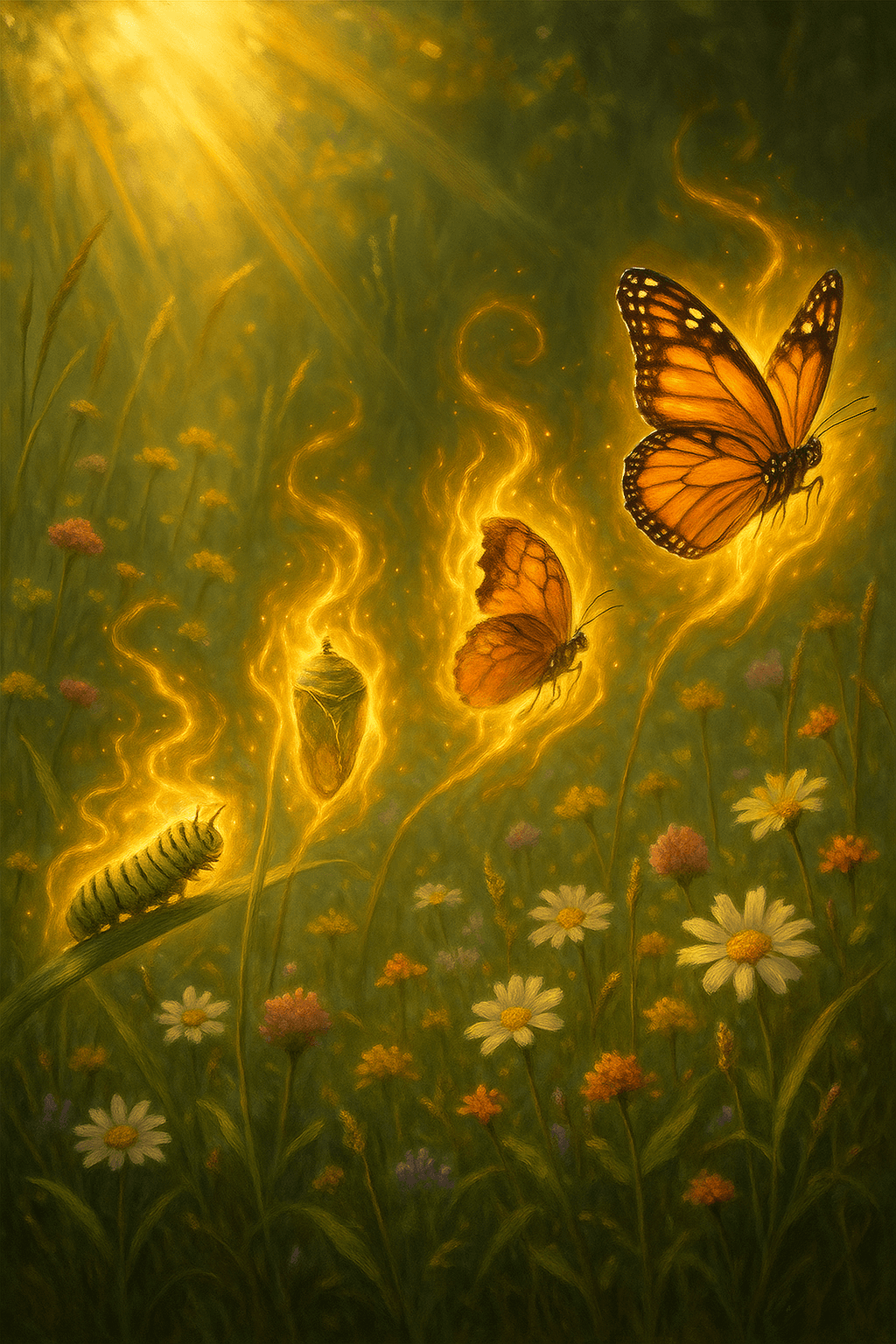
We think too much and feel too little. — Charlie Chaplin
—What lingers after this line?
Chaplin’s Timeless Observation
Charlie Chaplin’s famous words, 'We think too much and feel too little,' capture a lingering human dilemma—that intellect, while invaluable, can overshadow our emotional selves. Spoken by a comedic genius who observed the world through both laughter and tears, this quote invites us to reflect on how excessive analysis may mute the heart’s wisdom. His films, such as ‘The Great Dictator’ (1940), blend sharp social commentary with raw emotion, underscoring this very message.
Reason Versus Emotion in Decision-Making
Delving deeper, history and science show that both thinking and feeling play crucial roles in our decisions. However, as society grows more complex, an overreliance on logic can cause us to dismiss vital feelings. For instance, while Enlightenment thinkers like René Descartes prioritized reason, later philosophers, such as David Hume, insisted that emotion drives action. Thus, Chaplin’s insight bridges centuries of thought on the interplay of heart and mind.
The Cost of Emotional Suppression
Transitioning from theory to practice, suppressing emotions can have tangible consequences. Research by psychologist Daniel Goleman, author of 'Emotional Intelligence' (1995), links emotional awareness to success in relationships and work. When we stifle feeling in favor of cold rationality, we risk alienation—from ourselves and others—leading to stress and disengagement. In workplaces and personal lives alike, empathy often proves more transformative than analysis alone.
Technology and the Modern Mindset
Moreover, Chaplin’s observation is eerily prescient in an era defined by technological saturation. Modern communication relies on logic-driven algorithms and metrics, yet often fails to foster genuine connection. Social media amplifies information and opinions, sometimes at the expense of true empathy. As digital interactions proliferate, the call to reclaim our feeling nature becomes increasingly urgent, lest we lose touch with authentic human connection.
Cultivating the Lost Art of Feeling
Ultimately, reclaiming emotional depth doesn’t mean abandoning thought—it means harmonizing mind and heart. Practices such as mindfulness, expressive arts, and empathetic dialogue encourage us to notice and honor our feelings. From Chaplin’s silent films, where emotion spoke louder than words, to today’s therapeutic practices, the message remains: to be fully human, we must think deeply and also feel deeply, restoring a lost equilibrium in a restless world.
One-minute reflection
What's one small action this suggests?
Related Quotes
6 selectedDon't think. Thinking is the enemy of creativity. It's self-conscious, and anything self-conscious is lousy. — Ray Bradbury
Ray Bradbury
At first glance, Ray Bradbury’s line sounds almost rebellious: “Don’t think. Thinking is the enemy of creativity.” Yet his target is not intelligence itself, but the paralyzing kind of self-awareness that makes an artist...
Read full interpretation →You cannot heal what you don't feel. — Marianne Williamson
Marianne Williamson
Marianne Williamson’s line turns healing into an act of honest contact rather than quick escape. At its core, the quote suggests that wounds do not disappear merely because they are ignored; instead, they remain active b...
Read full interpretation →I've had a lot of worries in my life, most of which never happened. — Mark Twain
Mark Twain
Mark Twain’s line compresses a lifetime of unease into a single, sharp observation: the mind can generate a steady stream of alarming possibilities that never materialize. His humor isn’t mere decoration; it’s a way of e...
Read full interpretation →To think too long about doing a thing often becomes its undoing. — Eva Young
Eva Young
The quote warns that excessive deliberation can prevent us from taking action.
Read full interpretation →If you spend too much time thinking about a thing, you’ll never get it done. — Bruce Lee
Bruce Lee
Bruce Lee’s words illustrate a universal dilemma: the more we dwell on tasks, the less likely we are to complete them. Overanalyzing every possible outcome often leads to a kind of mental gridlock known as analysis paral...
Read full interpretation →To think too much is a disease. — Fyodor Dostoevsky
Fyodor Dostoevsky
Dostoevsky’s assertion that thinking too much constitutes a 'disease' reveals his enduring fascination with the darker sides of the human mind. Throughout his works, such as in 'Notes from Underground' (1864), Dostoevsky...
Read full interpretation →More From Author
More from Charlie Chaplin →Life is a tragedy when seen in close-up, but a comedy in long-shot. — Charlie Chaplin
Charlie Chaplin’s line hinges on a filmmaker’s metaphor: change the camera distance, and you change the genre. In close-up, a life contains tears, misunderstandings, and private anguish that feel heavy and singular.
Read full interpretation →You'll never find a rainbow if you're looking down. — Charlie Chaplin
This quote emphasizes the importance of maintaining a positive outlook. By looking down or focusing on negatives, one may miss the beauty and opportunities that life has to offer.
Read full interpretation →Nothing is permanent in this wicked world — not even our troubles. — Charlie Chaplin
At the outset, Chaplin’s line turns a grim recognition into solace: the world may be wicked, yet its wickedness is temporary—and so are our sorrows. Comedy thrives on that time-lag between pain and relief; Carol Burnett’...
Read full interpretation →