
Tags
#Control
Quotes: 3
Quotes tagged #Control

Control, Resilience, and the Creative Life
At its core, this thought reflects Seneca’s Stoic distinction between what belongs to us and what does not. In the creative process, effort, discipline, and integrity remain within an artist’s control, while public taste...
Created on: 6/1/2026
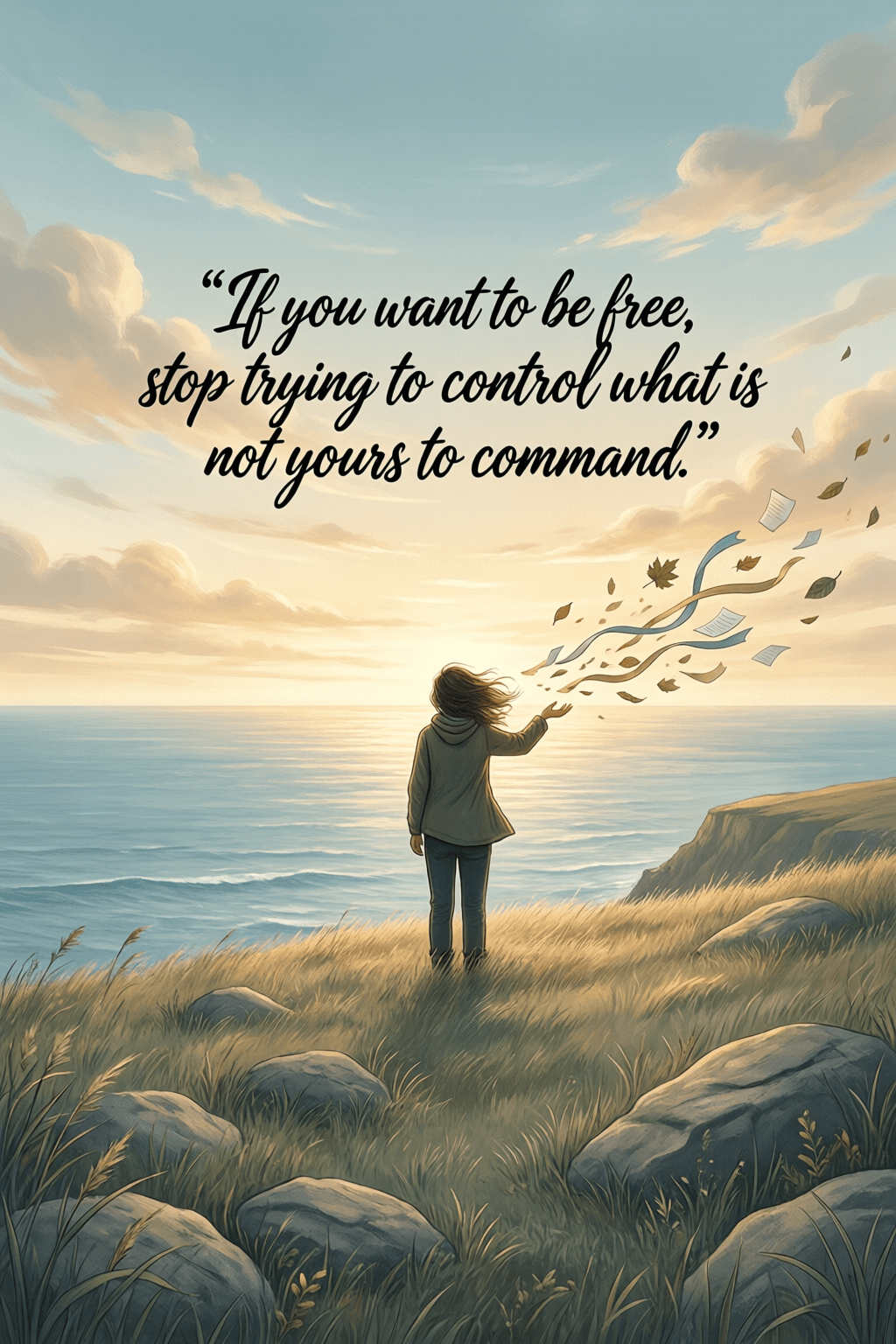
Freedom Begins Where Control Ends
At its heart, Seneca’s line expresses a central Stoic principle: freedom does not come from mastering the world, but from mastering one’s response to it. In letters such as the *Epistulae Morales* (c.
Created on: 5/12/2026

Anxiety Grows From the Urge to Control
Kahlil Gibran reframes anxiety as something more specific than mere anticipation. The future itself—uncertain, unfolding, and not yet real—doesn’t automatically distress us; rather, distress appears when we demand certai...
Created on: 1/27/2026